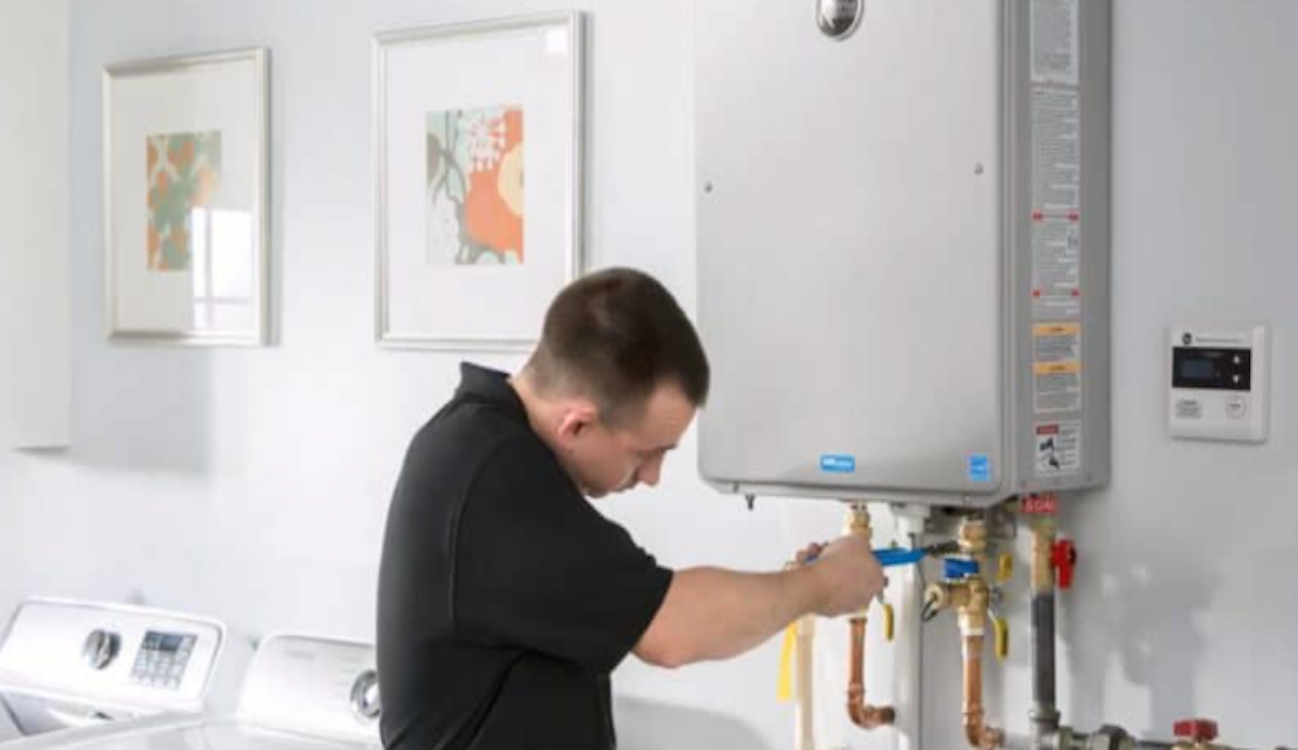
Having a tankless water heater at home is a lifesaver during colder months. It is more compact and more practical to use during the winter months.
It is also cost-efficient since it only warms water on demand when you need to use it, unlike tank-style water heaters.
A standard tankless water heater’s lifespan is about ten years and can break down as you use it over time.
Don’t replace your water heater at the last minute, and make sure you check it regularly. You might be asking, how do you know if your water heater is bad.
Table of Contents
Common Problems With Old Water Heaters
According to Water Heater Repair Services in Toronto, water heaters usually break down due to long term wear and tear. Even though a tankless water heater’s life span is almost a decade, there are times when it breaks down earlier due to unexpected issues.
So, how to know if your water heater has gone wrong? Read to learn more and be prepared.
Signs It Is Time To Change Your Water Heater
Sign #1: Not Hot Water Enough
If you noticed that the water is not as hot as it should on a typical day, the heater’s heating elements might be failing.
Before you panic, check the thermostat first and see if it was changed. If not, the issue might be faulty parts or natural product aging. With defective heating elements, it can consume more electricity as it takes a longer time to heat water.
Sign #2: Discolored Hot Water
When the water from your faucet comes out muddy and discolored hot water but clean regular tap water, the water heater is usually the problem. This means that too much mud and sediment build up inside your tank that affects the distributed water.
When tap water is heated, calcium and magnesium become sediment particles that stick at the bottom of the tank. Although it’s not dangerous for your health, it can cause other damages to the water heater like leaks and corrosion.
Sign # 3: Leaking Water Heater
Regularly checking your heater for leaks is one thing you can do to prevent and answer how you know if your water heater is bad. Leaks might be trickles on the side or a small pool of water underneath the heater.
Corrosion may have started and will eventually spread throughout the heater’s outer surface when this happens. Corrosion also affects pipes connected to the heater and the water it distributes around the house.
If the leak is minimal, chances are a simple repair can be done. If it’s leaking large amounts of water, it’s a sign your water heater needs to be replaced.
Sign # 4: Unusual Sounds From Water Heater
If you start hearing unusual sounds inside your heaters, such as cracks, bubbles, or boiling, check it out immediately.
These rumbling sounds can be warning signs of other heater problems inside. It can be sediment buildup burning inside, which can damage the internal parts.
It can also signify that one of the heating elements is starting to wear out. Be on the lookout for boiling sounds, as this might indicate pressure buildup inside the heater.
All situations are dangerous if left unattended, so make sure to have them checked out immediately.
Sign #5: Unusual Smell And Taste
When the heated water is clear but has a metallic smell and taste, check your heater ASAP! This can indicate that your heater’s parts may have started breaking down and dropping metal shavings in the distributed water.
This can be an early warning of possible flooding anytime soon.
Another tell-tale smell is hot water with a rotten egg smell.
The hydrogen sulfide gas odor might be caused by defective anode rods that kill bacteria from the water.
Sign #6: Water Heater Is Past Its Life Span
Take note of your heater’s life span, as this will affect general performance. A water heater has an average of 8-10 years.
Check the manufacturer’s product serial number to know when the product was made. For some manufacturers, the first two numbers indicate the year when the heater was made.
To be sure, check your manufacturer’s website to confirm how to read the serial number. This is one of the most important signs your water heater needs to be replaced.
Sign #7: Not Enough Hot Water To Go Around
When the heater is not producing enough hot water for all house activities like showers, cleaning, and dishwashing, it might be another result of scale or sediment buildup.
As mentioned earlier, the sediment buildup is one of the answers to how you know if your water heater has gone wrong.
This sign can be caused by not enough heat produced or weak water pressure. If it is not hot enough, refer to Sign #1. If it’s water pressure, check your drainage or pipes to see the problem.
Sign #8: Varying Temperature
One minute you have a relaxing hot bath, you get a cold blast of water next. If this has frequently been happening, it’s time to check your water heater thermostat if it’s working fine.
If the problem persists, it’s time to change the heater’s thermostat or the heating element. However, check if the cost for repair and labor fees will be better than just replacing your water heater altogether.
Conclusion
A regular water heater checkup is a must on your to-do list to ensure that early tear signs can be prevented. It would be best to investigate as soon as you notice something off with your heater. If a problem is out of your league, call a reliable professional to recommend the next best options.