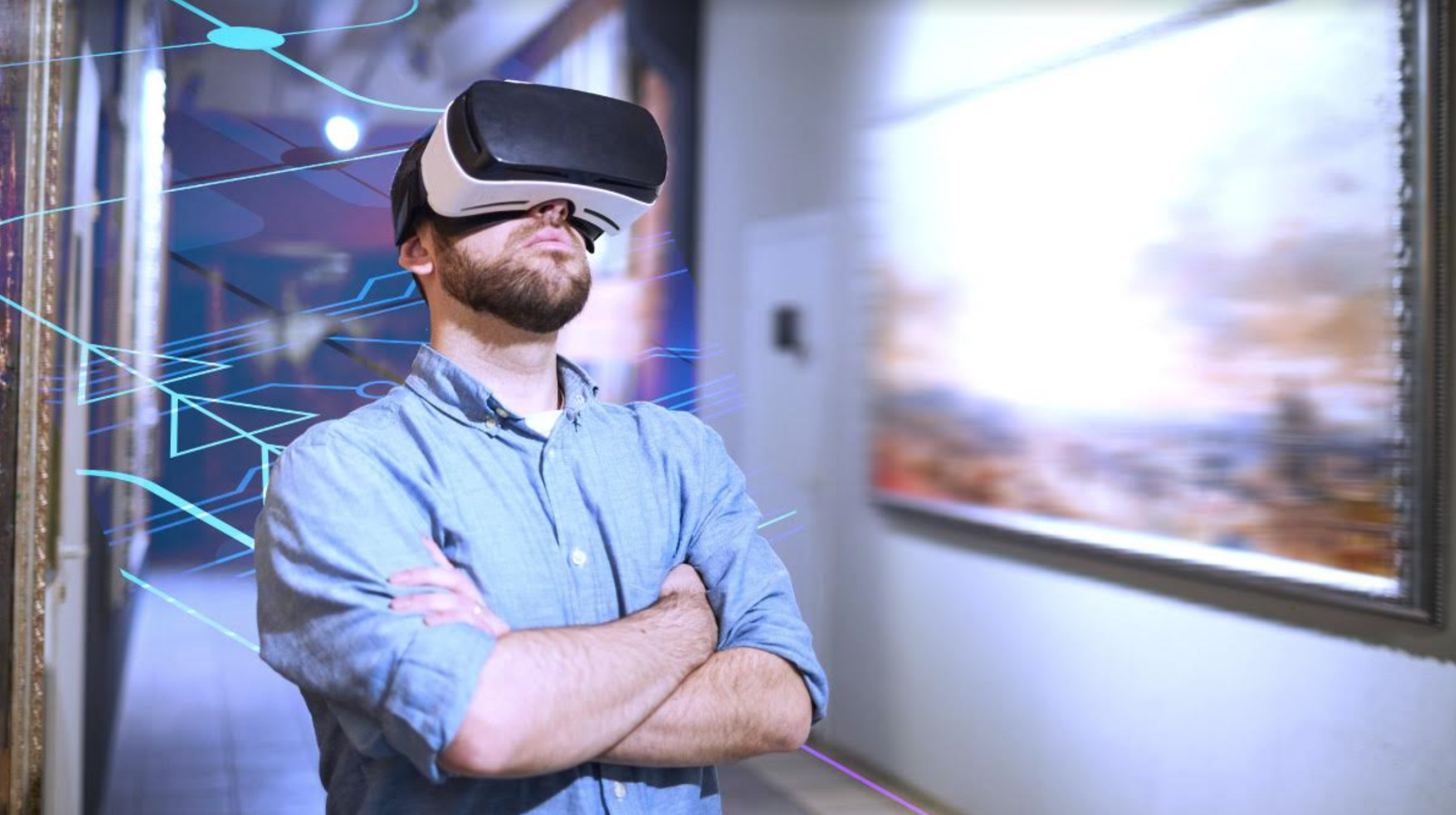
In the past, when considering virtual reality, most people associate the term with video games. And while the technology is often applied to video game content, it can be used for so much more. During the current coronavirus pandemic, the way that virtual reality tech is used and perceived is rapidly changing. Artists, actors and exercise enthusiasts are just a few types of people who are experimenting with VR. The technology has been slow to catch on but now as the need for at home entertainment increases, the option may become a go-to.
Table of Contents
VR Museums and Art Galleries
During the pandemic of 2020, people just want to get away. The news is frightening and confusing, working from home is stressful or not having work at all. This time of forced social isolation has caused people to look towards technology for an outlet. People are visiting museums around the world virtually as a way to ‘vacation’ from home or just to explore something new for a little while. AR has all but increased the experience of art galleries and museums.
Tech companies are hoping that as consumers move towards online entertainment, that virtual reality will begin to gain ground. Large tech companies like Samsung, Google, Sony and Facebook have been working to get consumer-ready headsets to the market in anticipation of a VR boom.
With a truly immersive virtual reality experience, people can transport themselves to anywhere they wish to go, be it simulated or reality based. Travel to a national park or a landmark in a new city you have never visited. Swim with dolphins, climb Mount Everest, the options are ‘virtually’ endless.
Virtual Reality Travel Industry
The tourism industry has been impacted greatly by the coronavirus pandemic, mainly due to travel restrictions. Air travel has shockingly dropped by 95% and with unemployment at an all-time low and the economy looking bleak, VR might be the logical step for travel in the current climate.
VR could be big business for the travel industry. In the past, the main argument against VR and travel was that the technology would hurt the travel industry. However, consumers could actually use VR to plan their vacations.
The technology could be used to compliment the consumers goals for travel. Consumers could get a glimpse of a vacation spot, then make plans to travel in the future.
So, whether you like to travel, get lost in a video game world, play real money games or some other alternate reality, VR might be a good option for you in this trying time of self-isolation. It will be interesting to see in the future if VR is able to gain ground around the world as a solid form of entertainment or use as we get used to this new normal of quarantine.
From Video Games to Virtual Reality Events
Currently, the most popular segment for VR is gaming. However, other industries are starting to utilize the technology. Education and health care are just two examples of industries using VR and augmented reality products.
The technology is also an option for social media, business meetings and a host of other areas. The pandemic is seemingly stirring up the revival of VR tech. Altspace is now becoming overwhelmed with requests to host events. Altspace is one of the first social platforms created specifically for VR and people are wanting to use it now to host virtual reality events.
Facebook, one of the most popular forms of social media, is working on an animated world of avatars called Horizon, that will be used on Oculus headsets. Facebook would also like to use VR tech to provide conference capabilities for professionals, lectures and social gatherings based around the world.
Slow to Gain Ground
One aspect that has set back virtual reality is the cost of consoles and headsets. When the technology first became an option for the public, it was hard for many people to spend hundreds or thousands of dollars for a headset and the console to operate the VR technology. Only those with a large flow of cash could afford to give the technology a try. Of course, this is not the demographic that VR appeals to, so the tech has yet to gain any ground.
However, as the pandemic has shown, people need and want forms of entertainment in their homes. If tech companies can find a way to make VR tech more affordable, it would certainly be appealing to consumers. Being able to simply shut off from the world and go somewhere tropical or unique would be welcome.
Experts feel that the pandemic may be the tipping point for VR to begin to gain in popularity. However, it will still be some time yet before we see if this is actually the reality.