Meta Title: Enabling Digital Classrooms & eLearning with ₹499 Wi-Fi Plan | Airtel
Meta Description: Discover how Wi-Fi plans of ₹499 and above are transforming education through digital classrooms and eLearning ecosystems. Understand the benefits, challenges, and future of Wi-Fi in schools.
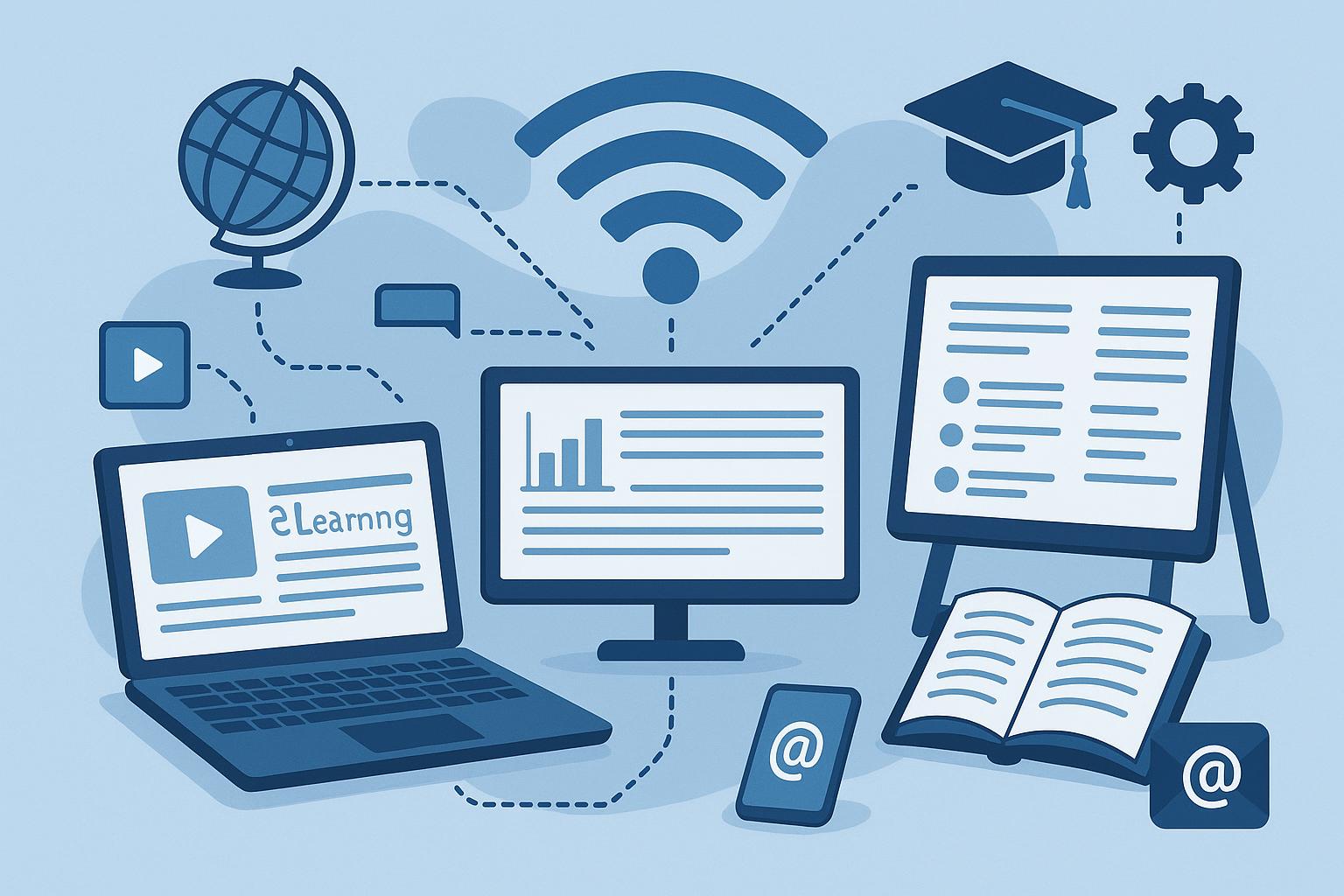
Wi-Fi has become the backbone of modern digital classrooms and e-learning ecosystems, enabling uninterrupted access to cloud-based platforms, interactive devices, and real-time collaboration tools. The shift from traditional chalk-and-board teaching to tech-driven, hybrid, and fully online learning fundamentally depends on robust, high-speed, and secure wireless connectivity.
In this article, we’ll explore the vital role of Wi-Fi in digital classrooms, the key technologies powering e-learning, common challenges and solutions, real-world impact statistics, and tips for schools and educators. We’ll also take a quick look at Airtel’s affordable ₹499 Wi-Fi plan and how to choose the right one for your educational needs.
Table of Contents
The Role of Wi-Fi in Digital Classrooms
Each modern classroom integrates multiple connected components that demand consistent, reliable bandwidth:
- Smartboards, digital projectors, and AV systems
- Laptops, tablets, and personal devices
- Sensors, cameras, and building controls
- Athletic and esports technology that requires real-time performance
With this interconnected environment, network performance directly impacts teaching quality and student engagement. Teachers rely on stable connectivity to minimise disruptions, whereas students need consistent access to digital tools that support creativity and collaborative learning.
Wi-Fi and E-Learning Ecosystems
E-learning platforms rely on cloud-based infrastructure. Wi-Fi enables:
- Real-time video lectures and virtual classrooms
- Instant access to course materials, assignments, and quizzes
- Collaborative tools
- AI-powered tutoring and adaptive learning
- Gamification and microlearning modules
- Offline content download and sync (for areas with intermittent connectivity)
The global e-learning market is projected to reach 38 lakh crore rupees by 2026, driven by mobile-first and cloud-based learning. Wi-Fi is the critical enabler for this growth.
Key Wi-Fi Technologies in 2025
The table below highlights the key Wi-Fi technologies and their potential application in education:
Technology | Features & Benefits | Use Case in Education |
| Wi-Fi 6/6E | Faster speeds, lower latency, better device handling, improved battery life | Large classrooms, labs, libraries |
| Wi-Fi 7 | Multi-link operation, 320 MHz channels, 40 Gbps speeds, ultra-low latency | VR/AR, 4K streaming, real-time AI feedback |
| Dynamic PSK | Secure, automated device authentication for students and staff | Bring Your Own Device (BYOD), guest access, secure logins |
| AI Networking | Predictive analytics, automated troubleshooting, network optimization | IT management, proactive support |
Challenges and Solutions
As digital classrooms and e-learning ecosystems expand, schools often encounter recurring Wi-Fi and connectivity challenges. The table below outlines these key issues along with practical solutions to help create a smoother, more reliable learning experience.
Challenge | Solution/Best Practice |
| High device density | Use Wi-Fi 6/7 access points, mesh networks, and load balancing |
| Bandwidth congestion | Prioritise traffic (QoS), upgrade to multi-gigabit switches |
| Security risks | Implement WPA3, Dynamic PSK, network segmentation, and regular firmware updates |
| Offline access | Enable offline content download |
| Equity and access | Provide school-issued devices, partner with ISPs for affordable home Wi-Fi plans |
Tips for Schools and Educators
Some actionable tips for education providers include:
- Upgrade to Wi-Fi 6/7 for future-proofing.
- Use AI-powered network management for proactive support.
- Enable offline access to content for students with limited connectivity.
- Train teachers and IT staff on wireless best practices.
- Partner with ISPs for affordable, high-speed home Wi-Fi plans for students.
How to Choose the Right Wi-Fi Plan for Education
Picking the best Wi-Fi plan depends on the following factors:
- Speed: At least 100 Mbps for small classrooms, 300+ Mbps for large schools.
- Data: Unlimited plans are best for e-learning and streaming.
- Reliability: Look for ISPs with strong uptime and customer support.
- Security: Ensure the plan supports WPA3 and network segmentation.
- Support: Choose providers with dedicated education or enterprise support.
For example, Airtel Wi-Fi plans, such as the 499 plan, offer unlimited data, bundled OTT content, and enterprise-grade support, making them a great choice for schools and e-learning institutions.
Features of ₹499 Wi-Fi Plan
The main features of Airtel’s ₹499 Wi-Fi Plan include:
- Internet Speed: Up to 40 Mbps
- Other Benefits: Google One (6-month trial offer for Wi-Fi users), Perplexity Pro, Airtel Xstream Play (22+ OTTs)—3-month trial offer
- Wi-Fi Router and Installation: Free on 6-Month/12-Month Plan
Key Takeaways
Wi-Fi is the invisible engine powering the digital transformation of education. From smart classrooms to global e-learning platforms, reliable, high-speed, and secure wireless connectivity is essential for engaging, accessible, and effective learning experiences in 2025 and beyond.
By choosing the right technologies, Wi-Fi plans, and best practices, schools and educators can harness the full potential of digital classrooms and prepare students for success in an increasingly connected world.
The goal remains consistent: delivering engaging, uninterrupted learning experiences that minimise technical issues while ensuring students have consistent access to digital tools that support creativity and collaboration. Airtel’s affordable Wi-Fi plans in Pune and other cities are making this vision a reality, enabling schools to transform into future-ready digital learning environments.
Disclaimer: Information such as data packs, plan validity, and offers is subject to change. Please verify details within the Airtel Thanks app or website for the latest updates.