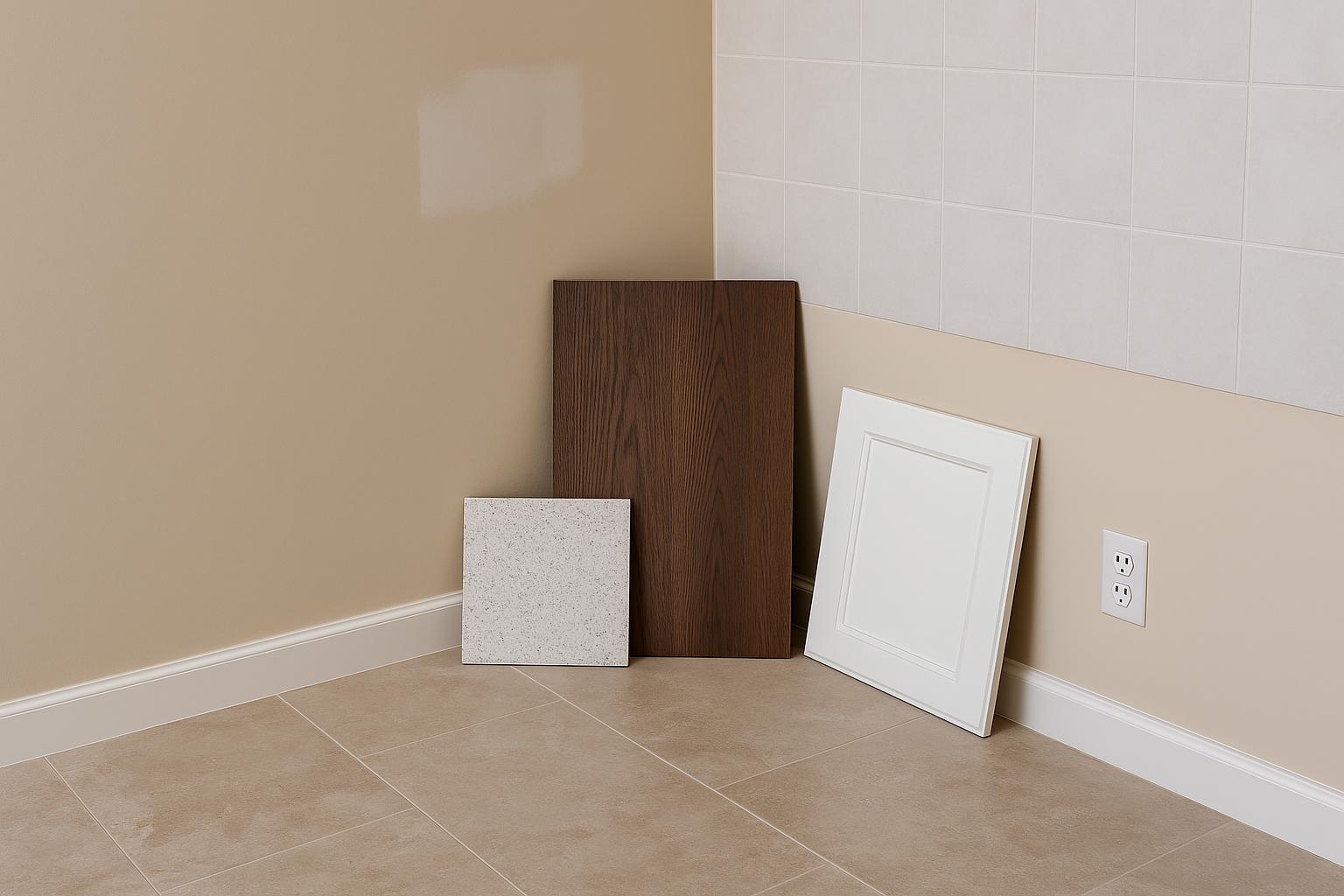
Just choose finishes without checking durability, moisture resistance, or maintenance and you risk costly replacements; this guide helps you assess material lifespan, compatibility with Singapore’s climate, budget impacts, and aesthetic coherence so you make informed, practical choices.
Table of Contents
Prioritizing Aesthetics Over Tropical Resilience
Aesthetics should not blind you to tropical demands; glossy paints and light veneers can blister, fade, or trap moisture in Singapore’s humidity, forcing costly repairs and replacements sooner than expected.
Humidity-Induced Degradation of Unsealed Surfaces
Unsealed wood and metal will corrode or swell quickly, and you face staining, mold growth, and structural weakening without proper sealing and maintenance at Vela Bay.
The Risks of Porous Materials in High-Moisture Zones
Porous tiles and natural stone absorb moisture, so you risk persistent dampness, efflorescence, and hidden decay unless substrates, membranes, and drainage are specified correctly.
If you choose porous finishes, specify pre-sealing, continuous waterproof membranes, and accessible drainage; you should also plan for frequent grout inspection, targeted ventilation, and warranty clauses that explicitly cover moisture-related failures to avoid escalating remediation costs.
Ignoring Long-Term Maintenance Realities
Maintenance decisions often overlook Singapore’s humidity and busy family routines; you end up with finishes that need frequent repair or harsh cleaning, increasing stress and costs over time at Hudson Place Residences.
High-Maintenance Finishes vs. Modern Lifestyle Demands
Families who cook daily or have pets find glossy surfaces and delicate materials impractical; you face constant upkeep, staining and replacement expenses that erase initial style gains.
The Hidden Costs of Short-Lived Design Trends
Trend-driven choices force you to renovate sooner, waste quality materials and reduce resale appeal when fashions shift, leaving you with extra disposal and upgrade bills.
If you chase fleeting palettes or celebrity looks, you pay through frequent minor overhauls, lost material value and lower buyer interest; custom fixtures and specialty tiles often can’t be repurposed, raising demolition and landfill fees while repeated updates consume time and interrupt living patterns, eroding both your budget and long-term satisfaction.
Failing to Integrate Future-Ready Technology
Ignoring smart-ready finishes forces you into costly retrofits; select paints, panels and sealants that allow wiring, sensors and antenna routing so your home adapts to upgrades without full demolition.
Surface Compatibility with Smart Home Sensors
Surfaces can block signals and reduce sensor accuracy, so you should avoid metal cladding and heavy foils, and specify porous paints, flush mounts and nonconductive trims for reliable detection.
Preparing Finishes for 2026 Connectivity Standards
Prepare finishes with conduit access, low-dielectric substrates and removable panels so you can fit PoE, mesh nodes and antenna upgrades without damaging surfaces.
Consider specifying chase paths, service cavities and standard mounting boxes so you and technicians can run fiber or PoE without cutting tiles. Ask for RF-transparent materials near planned antenna sites, avoid foil-backed insulation, choose primers that accept sensor adhesives, reserve space behind feature walls for hubs, and label zones for Matter, Wi-Fi 7 and 5G antennas to simplify later certification and installation.
Poor Spatial Management Through Texture
Texture choices can either open or crowd your Singapore apartment; you should avoid mixing heavy patterns and thick fabrics in small areas, and instead use restrained tactile contrasts to preserve perceived space and light.
Visual Overload in Compact Singaporean Floorplans
Too many competing finishes will make you feel boxed in; you should pick a dominant surface, limit patterns to one focal area, and keep ceilings and floors light to maintain openness.
Balancing Tactile Comfort with Visual Depth
Mixing plush textiles with subtle, matte surfaces helps you add warmth without visual clutter; prioritize scale and a two-tone texture palette to keep rooms feeling layered yet airy.
Scale of texture defines perceived room size: you should anchor seating areas with a single plush fabric, pair it with low-sheen paints and fine-grain timber, and use one patterned textile rather than multiple. Test samples in your Singapore light and humidity, and pick materials that you can clean and live with-this balances tactile comfort with layered visual interest without overwhelming compact layouts.
Supply Chain and Procurement Oversight
Adopt strict supplier vetting so you avoid last-minute substitutions and quality mismatches; insist on clear lead times, contingency stock, and enforceable delivery clauses to keep finish selections on schedule and within spec.
Project Delays Stemming from Bespoke Import Reliance
Imports of bespoke finishes often cause hold-ups; you should plan extended lead times, confirm production slots, and identify local fallback options to prevent costly schedule slippage.
Leveraging Regional Material Innovations for Timely Delivery
Regional manufacturers frequently produce faster, code-compliant finishes; you can source proven alternatives nearby to cut lead times and minimise customs-related delays.
Consider how nearby suppliers reduce transport time and allow rapid sample iterations so you test performance under Singapore humidity; you should request certification data, negotiate shorter trial runs, and schedule factory visits to verify finish durability before committing to long import cycles.
Conclusion
So you avoid common 2026 mistakes in selecting finishes for Singapore homes by prioritising climate-resistant materials, testing samples under local light, matching maintenance to your lifestyle, and confirming supplier warranties; consult a qualified interior professional to align aesthetics, resale value and longevity.
