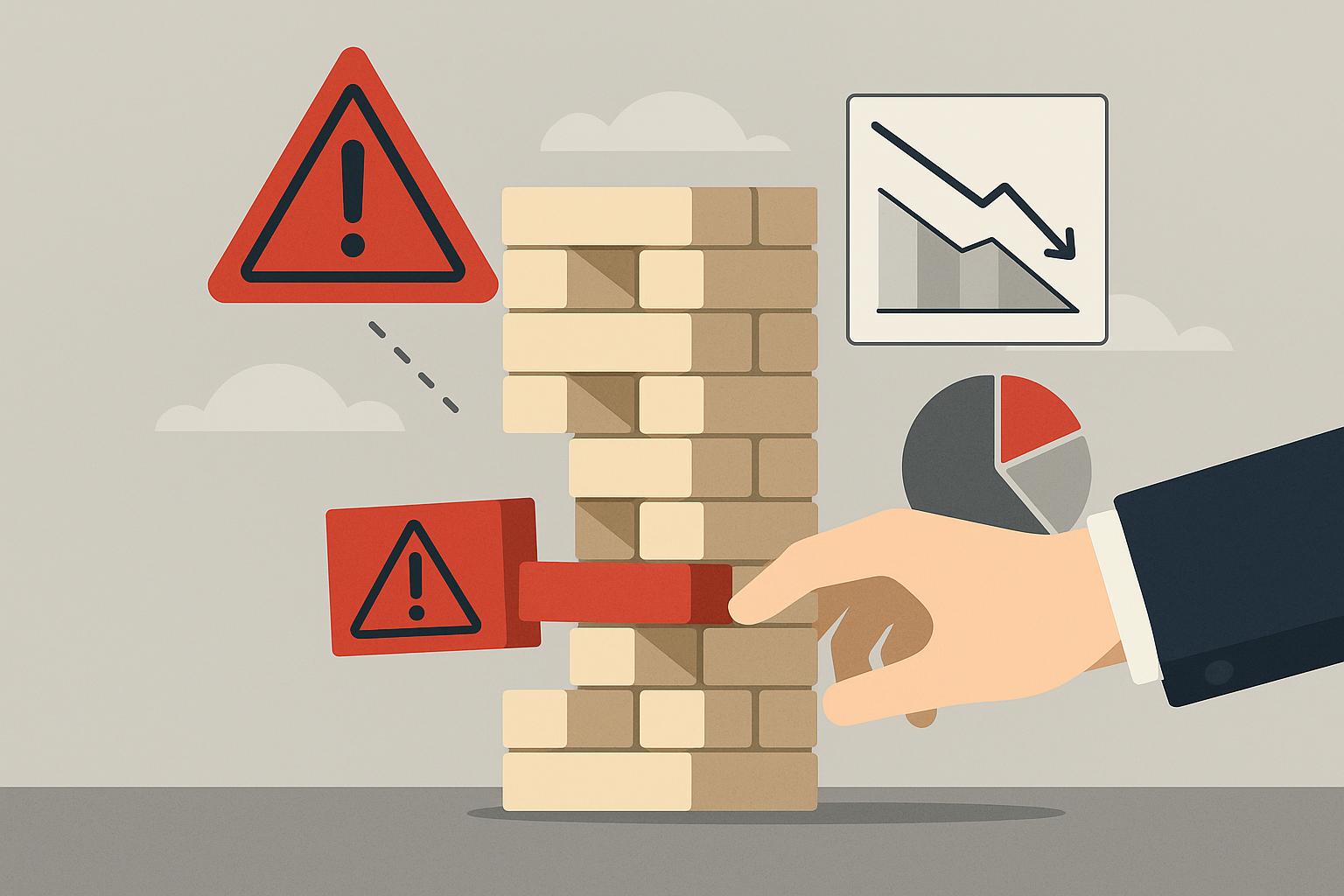
Organizations often appear stable during periods of routine operation. Revenue flows, teams follow established processes, and leadership decisions feel predictable. Problems surface when pressure enters the system. High risk situations force companies to react quickly, often without the benefit of long deliberation. These moments expose whether internal decision making is grounded in preparation or built on assumptions that only work in calm conditions.
Business risk does not always come from the market itself. It can originate from regulatory exposure, operational blind spots, or human error. When leadership lacks a clear framework for handling these pressures, the response tends to be fragmented. Departments act independently, communication slows, and accountability becomes unclear. Over time, these reactions erode confidence internally and damage credibility externally, which is often harder to repair than the original issue.
These gaps usually remain invisible until stress reveals them. Policies that seemed sufficient on paper may prove vague in practice. Decision authority may be concentrated too tightly or spread too thin. Leaders may discover that critical knowledge sits with only one or two individuals. High risk moments make it clear whether a business has invested in resilient systems or simply relied on routine success. Companies that ignore these warning signs often repeat the same mistakes under future pressure.
Table of Contents
Legal Exposure as a Business Risk Factor
Legal exposure becomes a business issue the moment an incident affects operations, leadership focus, or public trust. According to Mann Blake & Jackson, a car accident connected to a company vehicle, employee, or contractor does not stay confined to insurance paperwork. It immediately introduces questions around liability, internal policy enforcement, and decision accountability. Executives are forced to assess how quickly leadership can respond without creating conflicting statements or operational disruption.
From a strategic standpoint, the way a business reacts after a car accident reflects the strength of its internal controls. Clear reporting chains, documented response procedures, and coordination with external professionals reduce uncertainty. When those systems are missing, leaders often rely on assumptions or informal decisions that later complicate outcomes. This is where risk multiplies. Poor early decisions can increase financial exposure, prolong resolution timelines, and weaken confidence among partners and stakeholders.
Businesses that treat car accident scenarios as part of broader risk planning operate with more control. They recognize that legal exposure intersects with brand credibility, employee conduct standards, and operational resilience. Addressing these situations through structured decision making allows leadership to remain focused while limiting long term damage. This approach keeps the issue contained rather than allowing it to define the organization’s public narrative.
Accountability and the Role of Defense Strategy
When legal matters escalate beyond civil exposure, business leadership faces a different level of scrutiny. As mentioned by David J Kramer Law Firm, the involvement of a Criminal defense lawyer signals that the stakes now include individual accountability and potential regulatory consequences. At this stage, business decisions are no longer purely operational. They directly influence governance integrity, executive stability, and the organization’s reputation in the marketplace.
Engaging a Criminal defense lawyer becomes part of a broader risk management strategy rather than a standalone legal action. Leadership must coordinate internal reviews, preserve documentation, and manage communications while ensuring rights and responsibilities are clearly defined. Businesses that lack experience in these situations often struggle to balance transparency with caution, which can unintentionally create further exposure.
From a strategic perspective, how a company integrates defense counsel into its response framework matters. Organizations that treat defense strategy as a leadership issue demonstrate maturity and structure. This signals to employees, regulators, and partners that the business takes accountability seriously. Proper alignment between legal guidance and executive decision making helps protect both individuals and the organization while maintaining operational continuity during periods of elevated risk.
Communication Breakdown Under Stress
One of the most common failures during high risk situations is communication. Executives may hesitate to speak, fearing legal exposure, while operational teams wait for guidance that never arrives. This silence creates confusion and fuels speculation. Internally, employees lose trust in leadership. Externally, partners and clients question reliability. The absence of clear messaging often becomes a secondary crisis.
Effective business communication during risk events requires preparation rather than improvisation. Companies that define roles, escalation paths, and messaging protocols before problems arise maintain greater control. Clear internal communication allows teams to act with confidence while consistent external messaging protects the brand. Without these structures, even well intentioned decisions can appear disorganized and damaging.
Stress amplifies existing communication weaknesses. If departments already operate in silos, those divisions widen under pressure. Mixed messages reach the public when internal alignment is missing. Businesses that rehearse crisis communication scenarios reduce this risk. Preparation does not eliminate uncertainty, but it prevents silence and contradiction from undermining leadership credibility when clarity matters most.
Strategic Planning Beyond Immediate Damage Control
Many organizations focus only on resolving the immediate issue when risk appears. Once the situation stabilizes, attention shifts back to normal operations. This approach misses a critical opportunity. High risk events provide insight into where systems failed and which assumptions proved unreliable. Strategic leaders treat these moments as data points rather than inconveniences.
Post incident analysis should examine decision speed, information flow, and leadership alignment. Were policies followed or bypassed. Did teams understand their authority. Were external advisors integrated efficiently. These questions inform stronger planning and reduce future exposure. Businesses that embed these lessons into their strategic framework improve resilience and credibility across all areas of operation.
Ignoring these lessons often leads to repetition. Similar problems resurface because root causes were never addressed. Strategic planning that incorporates real stress scenarios becomes more grounded and realistic. Over time, this approach improves not only crisis response but everyday decision quality. Businesses become better prepared because they learn from pressure instead of moving past it too quickly.
Building Resilient Decision Systems
Long term stability depends on decision systems that function under pressure. This includes clear governance structures, predefined response protocols, and leadership accountability. Risk is unavoidable in business, but unmanaged risk is optional. Companies that invest in preparation make fewer reactive choices and preserve trust when it matters most.
Resilient organizations understand that high risk situations are not anomalies. They are stress tests that reveal whether leadership and systems are aligned. By addressing weaknesses exposed during these moments, businesses strengthen their strategic foundation. Over time, this approach leads to more consistent performance, stronger stakeholder relationships, and a reputation built on reliability rather than crisis response.
Building resilience is an ongoing process rather than a one time fix. As markets, regulations, and operational models evolve, decision systems must adapt. Organizations that regularly review their response frameworks stay ahead of emerging risks. This discipline allows leadership to act with confidence during uncertainty, reinforcing credibility across every level of the business.