Few dental procedures carry as much unnecessary dread as the root canal. For years, it’s been the punchline for anything painful or unpleasant. Yet the reality is far kinder than the reputation. Modern techniques, better anesthesia, and advanced technology have transformed this procedure into a comfortable, tooth-saving treatment that relieves pain rather than causes it.
If you’ve been told you need a root canal, understanding what actually happens can replace anxiety with confidence. Here’s a clear, honest look at what the procedure involves, why it’s needed, and how to prepare for your appointment.
Table of Contents
What Is a Root Canal Treatment?
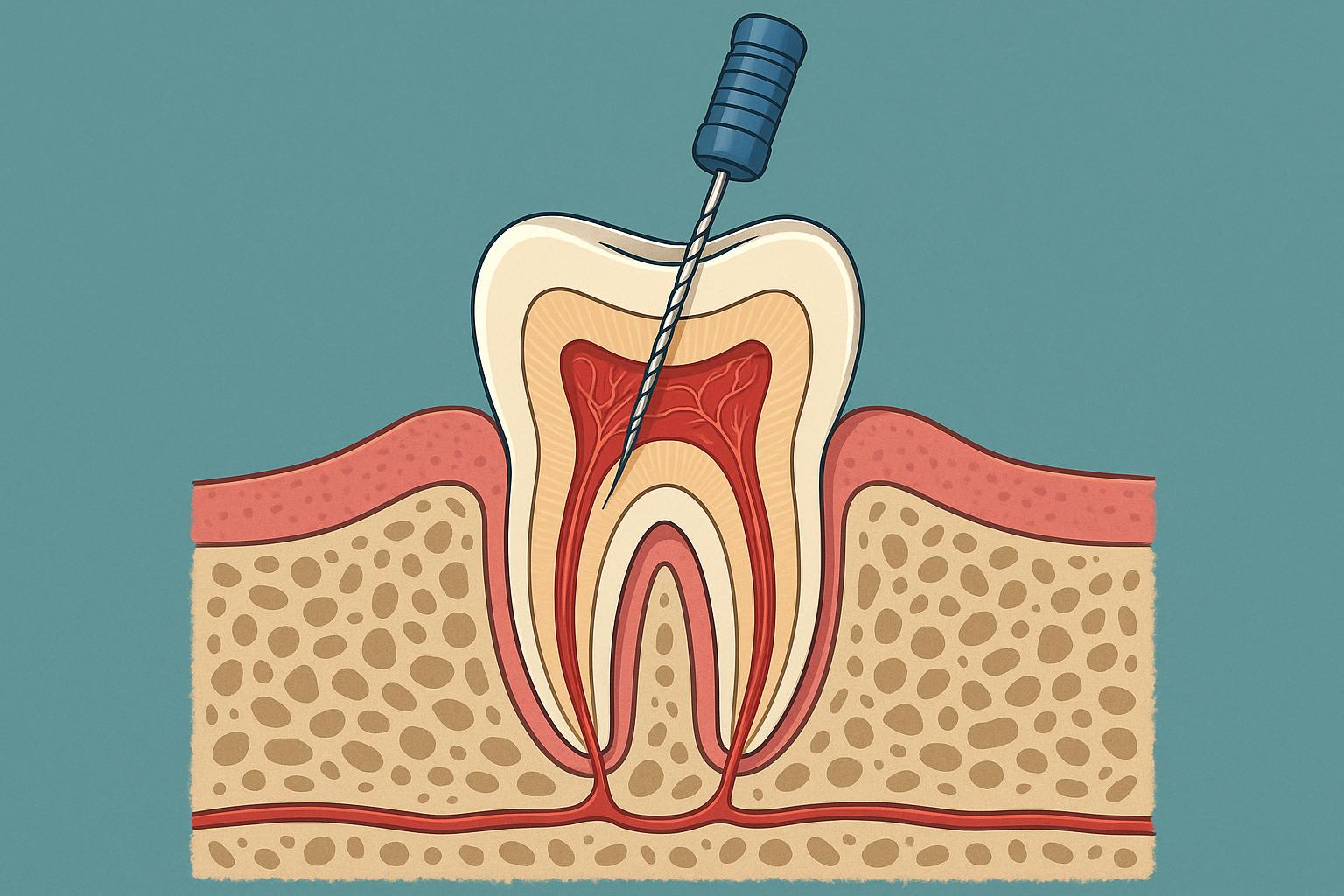
Every tooth has a soft center called the pulp, which contains nerves, blood vessels, and connective tissue. The pulp runs from the crown of the tooth down through channels in the roots called canals. When this pulp becomes infected or inflamed — usually from deep decay, a crack, or injury — it can cause significant pain and, if left alone, lead to abscesses and tooth loss.
Root canal treatment is the process of removing that damaged pulp, carefully cleaning and disinfecting the inside of the tooth, and then sealing it to prevent future infection. Despite what the name suggests, the goal isn’t to remove your tooth — it’s to save it. By clearing out the infection and preserving the natural tooth structure, the procedure lets you keep your own tooth for years, often for the rest of your life.
The treatment is performed by either a general dentist or an endodontist, a specialist who focuses specifically on the inner tissues of teeth and performs root canals regularly. Specialists often use surgical microscopes and precise instruments that make the process more thorough and comfortable.
Why Might You Need One?
Several situations can lead to the need for root canal treatment. The most common cause is deep tooth decay that reaches the pulp. Once bacteria penetrate that deep, no amount of brushing or filling can undo the damage. Other causes include cracked or chipped teeth that expose the pulp, trauma from an accident or sports injury, or repeated dental procedures on the same tooth that eventually irritate the nerve.
Common signs that you might need the procedure include:
- Persistent or throbbing tooth pain
- Prolonged sensitivity to hot or cold that lingers after the source is gone
- Swollen, tender gums near a specific tooth
- A darkening or discolored tooth
- A small, pimple-like bump on the gums
- Pain when chewing or applying pressure
If you’re experiencing any of these symptoms, it’s important to see a dental professional promptly. Early treatment is almost always simpler, more comfortable, and more successful than waiting until the infection spreads.
What Actually Happens During the Procedure
Understanding the steps can take away much of the mystery and fear. While every case is a little different, most root canal treatments follow a similar path.
Examination and imaging. Your appointment begins with an exam and X-rays or digital scans so the dentist can see the shape of the canals and the extent of the infection. This helps them plan the treatment precisely.
Numbing the area. Before any work begins, the tooth and surrounding area are thoroughly numbed with local anesthesia. This is the step that makes the procedure comfortable — most patients report feeling little more than mild pressure once they’re numb.
Isolating the tooth. A thin protective sheet called a dental dam is placed around the tooth to keep it clean, dry, and free of saliva during treatment.
Removing the pulp. The dentist creates a small opening in the top of the tooth to access the pulp chamber and canals. The infected or damaged pulp is then carefully removed.
Cleaning and shaping. The canals are cleaned, disinfected, and shaped so they can be properly sealed. This is where specialists’ magnification tools shine, helping locate even tiny or hidden canals that might otherwise be missed.
Filling and sealing. Once the canals are clean, they’re filled with a biocompatible material — usually a rubber-like substance called gutta-percha — and sealed to prevent bacteria from re-entering.
Restoring the tooth. A temporary or permanent filling closes the opening. In most cases, especially for back teeth, a crown is placed afterward to protect the tooth and restore full chewing strength.
Depending on the tooth and the complexity of the case, treatment may be completed in one visit or two.
Does a Root Canal Hurt?
This is the question on almost everyone’s mind. The honest answer: the procedure itself is usually no more uncomfortable than getting a routine filling. The pain people associate with root canals typically comes from the infection before treatment — not from the treatment itself. In fact, the whole point is to relieve that pain.
Thanks to effective local anesthesia, the area is fully numb during the procedure. Afterward, it’s normal to feel some tenderness or mild soreness for a few days as the area heals, but this is usually well managed with over-the-counter pain relievers. Most patients are pleasantly surprised by how manageable the entire experience is.
How to Prepare Before Your Appointment
A little preparation can make your visit smoother and your recovery easier:
- Ask questions ahead of time. If you’re anxious, talk to your provider about what to expect. Understanding the plan can ease nerves considerably.
- Eat beforehand. Since your mouth will be numb for a few hours after treatment, having a meal before your appointment is a good idea.
- Avoid alcohol and tobacco. These can interfere with healing, so it’s best to skip them before and after the procedure.
- Arrange your day sensibly. Most people can drive themselves and return to normal activities, but if you’re receiving sedation, plan for someone to take you home.
- Take medications as directed. If your dentist prescribes antibiotics before treatment to control infection, be sure to take them as instructed.
What to Expect After Treatment
Recovery from root canal treatment is generally quick and straightforward. For the first few days, your tooth may feel sensitive, particularly if there was pain or infection beforehand. This typically fades as the area heals.
To support healing:
- Avoid chewing on the treated tooth until it’s fully restored with a permanent filling or crown.
- Stick to softer foods for a day or two if the area feels tender.
- Keep up with gentle brushing and flossing to keep the area clean.
- Take any recommended pain relievers as directed.
If you notice severe pain, swelling, or a reaction to medication, contact your provider right away — these are uncommon but worth addressing promptly.
How Long Does It Last?
With proper care, a tooth treated with a root canal can last a lifetime. The keys to longevity are having the tooth properly restored — usually with a crown — and maintaining good oral hygiene. Regular brushing, flossing, and routine dental checkups will help protect your treated tooth just like the rest of your smile.
The Bottom Line
A root canal isn’t something to fear. It’s a proven, effective way to eliminate infection, relieve pain, and save a tooth that might otherwise be lost. Understanding the process — from the first exam to the final crown — helps you walk into your appointment informed and at ease.
If you’ve been told you need root canal treatment, or you’re experiencing symptoms that concern you, don’t put off getting evaluated. The sooner an issue is addressed, the easier it is to treat and the better the outcome. With today’s technology and skilled care, saving your natural tooth is more comfortable and reliable than ever.
