Table of Contents
Table of Contents
1. Introduction: Navigating Contraceptive Choices
2. Understanding Estrogen-Based Contraception and Its Limitations
3. The Role of Progestogen-Only Pills (POPs)
4. Desogestrel: A Closer Look at a Modern Progestogen-Only Pill
5. The Mechanism of Action: How Desogestrel Provides Effective Contraception
6. Key Advantages of Desogestrel for Estrogen-Intolerant Women
7. Common Side Effects and Management
8. Comparing Desogestrel to Other Contraceptive Options
9. Practical Considerations and Consulting a Healthcare Professional
10. Empowering Informed Contraceptive Decisions
1. Introduction: Navigating Contraceptive Choices
Choosing the right contraceptive method is a deeply personal decision, influenced by a myriad of factors including lifestyle, health status, efficacy concerns, and potential side effects. For many women, combined oral contraceptives, which contain both estrogen and progestogen, are a popular and effective choice. However, a significant portion of the female population finds themselves unable to use estrogen-based contraception due to various medical conditions or sensitivities. This limitation often leaves women searching for reliable, safe, and effective alternatives. This article delves into why Desogestrel stands out as an ideal solution for these women, offering a comprehensive look at its benefits, mechanism, and overall suitability.
2. Understanding Estrogen-Based Contraception and Its Limitations
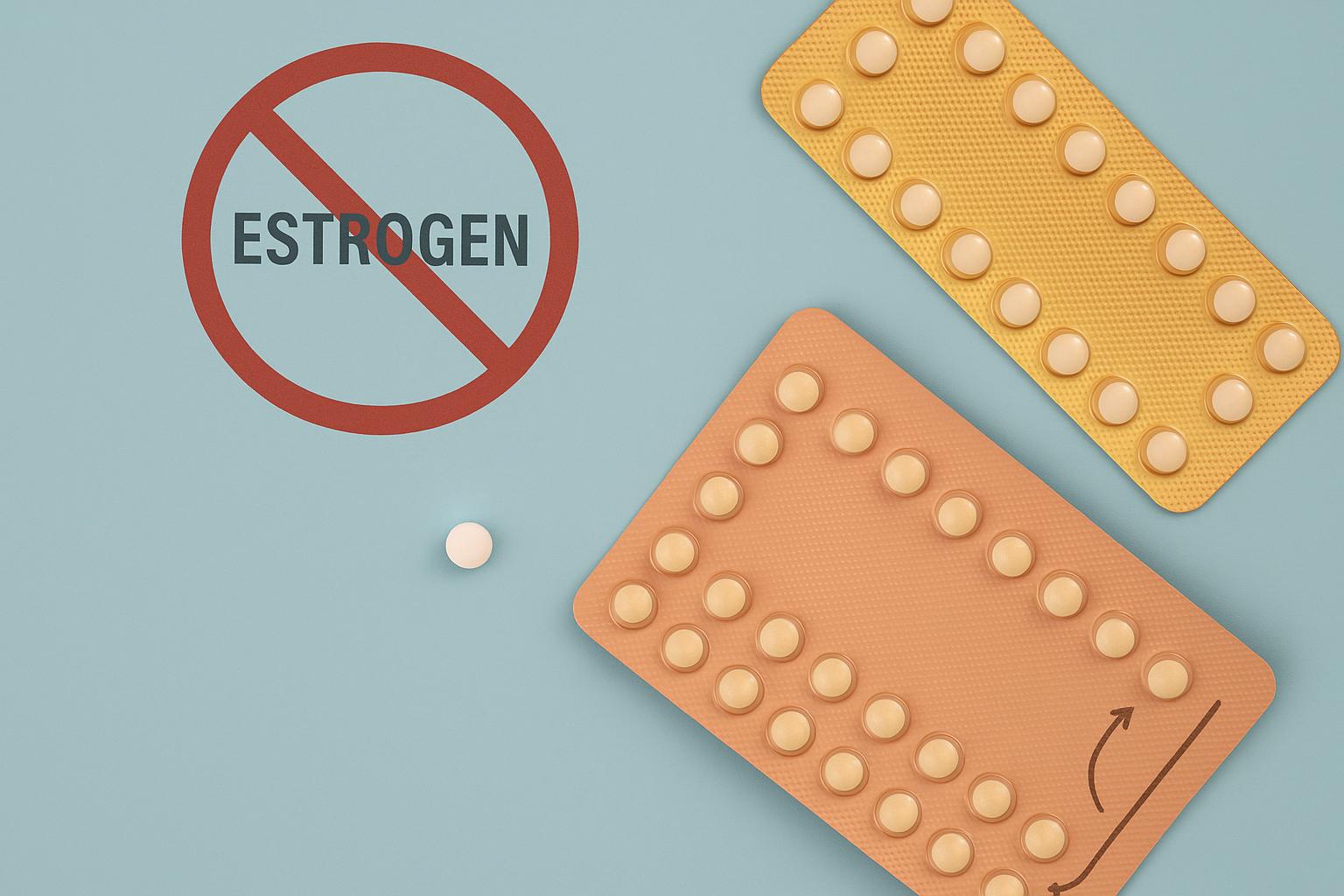
Estrogen plays a crucial role in the efficacy of combined oral contraceptives, primarily by suppressing ovulation and stabilizing the uterine lining. While highly effective, estrogen is also associated with certain health risks and side effects that make it unsuitable for some individuals.
2.1 Medical Conditions Precluding Estrogen Use
Several medical conditions are considered contraindications for estrogen-containing contraceptives. These include:
- A history of blood clots (deep vein thrombosis or pulmonary embolism).
- Certain types of migraines, particularly those with aura.
- Uncontrolled high blood pressure.
- History of stroke or heart attack.
- Certain liver diseases.
- A history of breast cancer.
- Unexplained vaginal bleeding.
- Being a smoker over the age of 35.
For women with these conditions, the risks associated with estrogen, such as an increased likelihood of blood clots or cardiovascular events, outweigh the benefits of contraception.
2.2 Common Side Effects of Estrogen
Beyond serious contraindications, many women experience uncomfortable side effects from estrogen that lead them to seek alternatives. These can include:
- Nausea.
- Breast tenderness.
- Headaches.
- Mood changes.
- Bloating and weight gain.
These side effects, while often not medically serious, can significantly impact a woman’s quality of life and adherence to her chosen contraceptive method.
3. The Role of Progestogen-Only Pills (POPs)
For women who cannot take estrogen, progestogen-only pills (POPs), often referred to as “mini-pills,” emerge as a vital alternative. Unlike combined pills, POPs contain only one type of hormone: a progestogen. This singular hormonal component eliminates the risks and side effects associated with estrogen, making them a safer option for a broader range of women. Early generations of POPs had some limitations, particularly regarding their window of effectiveness, which often required strict adherence to a three-hour dosing window. However, advances in pharmaceutical science have led to newer, more forgiving formulations.
4. Desogestrel: A Closer Look at a Modern Progestogen-Only Pill
Desogestrel represents a significant advancement in the field of progestogen-only contraception. It is a synthetic progestogen that effectively prevents pregnancy without the need for estrogen. What sets Desogestrel apart from older POPs is its potent inhibitory effect on ovulation, making it highly effective and comparable to combined oral contraceptives in terms of pregnancy prevention. This is a crucial distinction, as many older POPs primarily worked by thickening cervical mucus and thinning the uterine lining, rather than consistently preventing ovulation.
4.1 How Desogestrel Differs from Older POPs
Older progestogen-only pills, such as those containing norethisterone or levonorgestrel, often had a primary mechanism of action that focused on altering cervical mucus and the uterine lining. While effective, their ability to consistently inhibit ovulation was less reliable. This meant that the timing of pill-taking was extremely critical; missing a dose by just a few hours could significantly reduce efficacy.
Desogestrel, on the other hand, is considered a “third-generation” progestogen. Its unique molecular structure allows it to consistently suppress ovulation, similar to combined pills. This enhanced ovulatory suppression is the key reason for its high efficacy and its more forgiving 12-hour missed pill window, providing a greater margin of error for users. When considering a reliable, estrogen-free contraceptive, Post My Meds offers access to various options, including Desogestrel, making it easier to find suitable choices.
5. The Mechanism of Action: How Desogestrel Provides Effective Contraception
Desogestrel’s effectiveness stems from its multi-pronged approach to preventing pregnancy. Its primary mechanisms include:
- Ovulation Suppression: This is the most significant mechanism. Desogestrel effectively prevents the release of an egg from the ovary each month. By maintaining a constant level of progestogen, it inhibits the surge of luteinizing hormone (LH) necessary for ovulation.
- Thickening of Cervical Mucus: Desogestrel causes the mucus in the cervix to become thicker and less permeable. This creates a barrier that makes it difficult for sperm to travel through the cervix and reach the uterus to fertilize an egg.
- Thinning of the Uterine Lining (Endometrium): The progestogen also thins the lining of the uterus, making it less receptive to a fertilized egg, even if ovulation were to occur and fertilization took place. This makes implantation highly unlikely.
These combined actions provide a robust contraceptive effect, making Desogestrel a highly reliable option.
6. Key Advantages of Desogestrel for Estrogen-Intolerant Women
For women who cannot take estrogen, Desogestrel offers a compelling set of benefits that address their specific needs.
6.1 Estrogen-Free Formulation
The most obvious and critical advantage is the complete absence of estrogen. This means women with contraindications to estrogen, such as a history of blood clots, certain migraines, or those over 35 who smoke, can safely use Desogestrel without the associated risks.
6.2 High Efficacy
Desogestrel boasts a high efficacy rate, comparable to combined oral contraceptives, when taken correctly. This provides peace of mind for women seeking reliable pregnancy prevention without estrogen. Its ability to consistently inhibit ovulation is a major factor in this high effectiveness.
6.3 More Forgiving Dosing Window
Unlike older POPs with their strict 3-hour window, Desogestrel typically offers a 12-hour window for a missed pill. This extended timeframe significantly reduces the anxiety and risk associated with slightly delayed doses, making it a more practical and user-friendly option for many women with busy lives.
6.4 Suitable During Breastfeeding
Desogestrel is often considered a suitable contraceptive option for breastfeeding mothers. Unlike estrogen, which can potentially affect milk supply, progestogen-only pills like Desogestrel generally do not impact lactation. This makes it an ideal choice for postpartum women who need contraception but wish to continue breastfeeding.
6.5 Potential for Reduced Side Effects
While all medications can have side effects, many women find that Desogestrel causes fewer of the estrogen-related side effects such as nausea, breast tenderness, and bloating. This can lead to better tolerability and adherence to the contraceptive regimen. To explore Desogestrel and other suitable options, services like Post My Meds can provide convenient access and information.
7. Common Side Effects and Management
While generally well-tolerated, Desogestrel, like any medication, can cause side effects. It is important for users to be aware of these and discuss any concerns with their healthcare provider.
7.1 Irregular Bleeding
The most commonly reported side effect is a change in bleeding patterns. This can manifest as:
- Irregular or unpredictable bleeding.
- More frequent bleeding.
- Less frequent bleeding, or even no bleeding at all (amenorrhea).
These changes are usually not medically serious and often improve over the first few months of use. However, persistent or heavy irregular bleeding should always be discussed with a doctor to rule out other causes.
7.2 Other Potential Side Effects
Other less common side effects may include:
- Mood changes.
- Headaches.
- Acne.
- Breast tenderness.
- Nausea.
These side effects are often mild and temporary. If they persist or are bothersome, a healthcare professional can offer advice or explore alternative options.
8. Comparing Desogestrel to Other Contraceptive Options
While Desogestrel is an excellent choice for many, it is important to understand its place among the broader spectrum of contraceptive methods, especially for estrogen-intolerant women.
8.1 Versus Older Progestogen-Only Pills
As discussed, Desogestrel’s primary advantage over older POPs is its consistent ovulation suppression and wider missed pill window, leading to higher efficacy and ease of use.
8.2 Versus Long-Acting Reversible Contraceptives (LARCs)
LARCs, such as the hormonal intrauterine device (IUD) and the contraceptive implant, are also progestogen-only methods and are highly effective. They offer the convenience of not needing daily administration. Desogestrel, being a daily pill, requires more diligent adherence. The choice between Desogestrel and a LARC often comes down to personal preference, desire for reversibility, and tolerance for insertion procedures. Post My Meds can help individuals explore their options and understand the nuances between daily pills and LARCs.
8.3 Versus Non-Hormonal Methods
Non-hormonal methods like condoms, diaphragms, or the copper IUD are also estrogen-free. While condoms offer STI protection, their effectiveness in pregnancy prevention is lower than hormonal methods. The copper IUD is highly effective but can lead to heavier and more painful periods for some women, which Desogestrel typically does not.
9. Practical Considerations and Consulting a Healthcare Professional
Before starting Desogestrel, or any new contraceptive, a consultation with a healthcare professional is paramount.
9.1 Medical History Review
A doctor will review your complete medical history to ensure Desogestrel is safe and appropriate for you. This includes discussing any pre-existing conditions, current medications, and lifestyle factors.
9.2 Understanding Proper Usage
Adherence to the daily pill regimen is crucial for efficacy. Your doctor or pharmacist will provide detailed instructions on how to take the pill, what to do if a dose is missed, and what to expect regarding bleeding patterns. Remember, consistent daily intake, ideally at the same time each day, maximizes effectiveness.
9.3 Regular Check-ups
Even after starting Desogestrel, regular check-ups are important to monitor for any side effects, address concerns, and ensure the method remains suitable for your evolving health needs. For ongoing prescription needs for Desogestrel, Post My Meds offers a convenient and discreet service.
10. Empowering Informed Contraceptive Decisions
The journey to finding the right contraceptive is unique for every woman. For those navigating the complexities of estrogen intolerance, Desogestrel emerges as a powerful and reliable ally. Its modern formulation, high efficacy, and favorable safety profile make it an ideal choice, offering freedom and peace of mind without compromising health. By understanding its mechanisms, advantages, and potential side effects, women can make informed decisions in collaboration with their healthcare providers. This empowerment ensures that every woman has access to safe and effective contraception tailored to her individual needs, leading to greater control over her reproductive health and overall well-being.