Table of Contents
Key Takeaways
- HPN (Home Parenteral Nutrition) provides life-sustaining nutrients to individuals whose digestive systems cannot absorb food normally.
- Comprehensive education and support are essential for safe and effective HPN at home.
- Ongoing monitoring and strict hygiene help minimize risks of complications.
- Strong emotional and social support plays a significant role in adapting to life with HPN.
Understanding Home Parenteral Nutrition
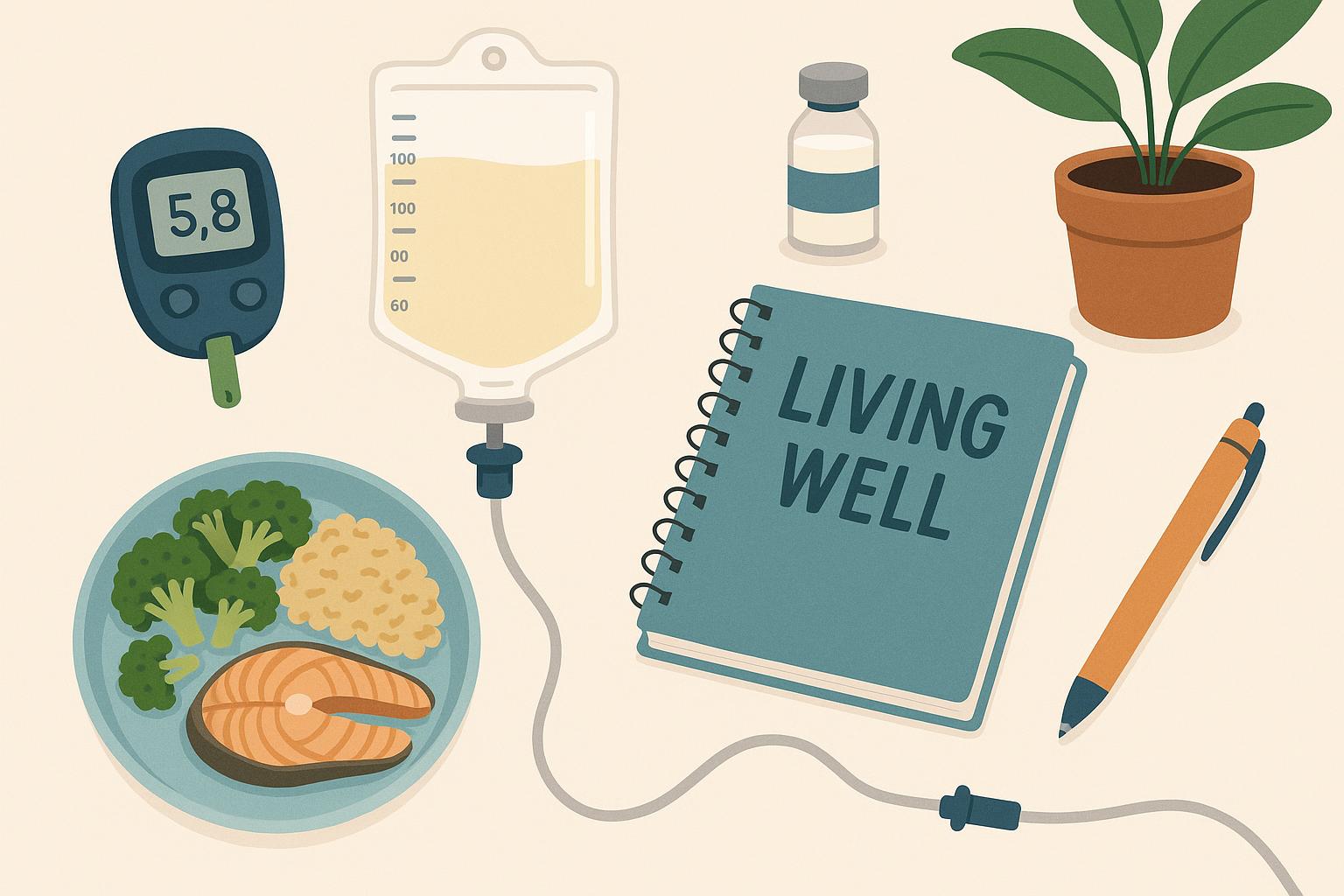
Home Parenteral Nutrition is an advanced medical therapy designed to deliver a complete balance of nutrients, including proteins, carbohydrates, fats, vitamins, and minerals, directly into the bloodstream through an intravenous line. This route bypasses the gastrointestinal tract entirely, ensuring that patients with conditions such as inflammatory bowel disease, short bowel syndrome, or certain cancers receive adequate nutrition.
While HPN is both life-saving and complex, transitioning care from a hospital setting to the home environment offers patients greater independence and an improved quality of life. To achieve the best outcomes, patients must learn to manage their therapy safely and confidently at home.
For those interested in understanding the basics of home-administered parenteral nutrition, including practical steps for getting started, home TPN with Nutrishare offers a thorough educational resource covering the essentials of home parenteral nutrition. Nutrishare is a nationally recognized leader in home infusion, providing personalized support and expert services to HPN patients across the United States.
Initiating HPN: Training and Support
Before patients independently manage their own HPN, dedicated training programs provide an essential foundation. Healthcare professionals, including specialized nurses, pharmacists, and dietitians, guide patients and caregivers through all aspects of therapy. Training typically covers proper use and maintenance of infusion equipment, sterile techniques for handling and administering nutrients, spotting early warning signs of potential complications, and responding promptly to any issues that may arise.
Education resources from organizations emphasize the importance of hands-on teaching and scheduled follow-up to reinforce confidence and skills in the home setting. Support from clinical teams does not end upon discharge; ongoing access to expertise and troubleshooting remains vital throughout the duration of home therapy.
Daily Management and Routine
Establishing an effective daily routine is essential for successful HPN. Each day involves several activities, such as:
- Preparing the prescribed nutrient solution accurately.
- Use meticulous sterile technique when connecting and disconnecting the intravenous line to prevent infections.
- Maintaining strict catheter hygiene, including regular site cleaning and dressing changes.
- Monitoring the HPN site and the patient’s health for symptoms like fever, redness, or swelling.
Sticking to established protocols helps reduce the likelihood of infections or other adverse events, ensuring that therapy remains both safe and effective.
Monitoring and Preventing Complications
Regular follow-ups with healthcare teams play a crucial role in minimizing risks and detecting complications early. These appointments typically involve assessing the patient’s nutritional status, evaluating liver and kidney function, and assessing catheter health. By maintaining clear records and staying vigilant for symptoms, patients and families can report concerns promptly, which aids swift intervention and recovery.
Psychosocial Aspects and Support Systems
Adjusting to life with HPN is often challenging, as patients and their families must navigate emotional stress and evolving lifestyle changes. Access to counseling, peer support groups, and dedicated patient communities provides an important outlet for sharing experiences, concerns, and coping strategies. Organizations such as the Oley Foundation facilitate peer-to-peer networking and practical advice, which many patients find invaluable for emotional resilience and day-to-day problem solving.
Staying connected with these communities not only reduces feelings of isolation but also empowers patients to advocate for their needs and stay engaged with the latest advancements in care.
Advancements and Future Directions
Continued progress in medical research promises to make HPN safer, more efficient, and comfortable. Innovations in catheter materials and designs, improved nutrient formulations, and smarter equipment aim to reduce side effects and enhance patient independence. Digital health tools, such as telemedicine consultations and wearable devices for monitoring, further streamline home therapy management and increase patient engagement. Staying abreast of emerging developments is essential for patients and providers.
Final Thoughts
Although home parenteral nutrition can pose significant challenges, the right education, support, and safety measures enable patients to live full and meaningful lives. By cultivating strong partnerships with clinical teams and engaging with reputable organizations and support networks, individuals on HPN can confidently navigate their care and protect their long-term well-being.