

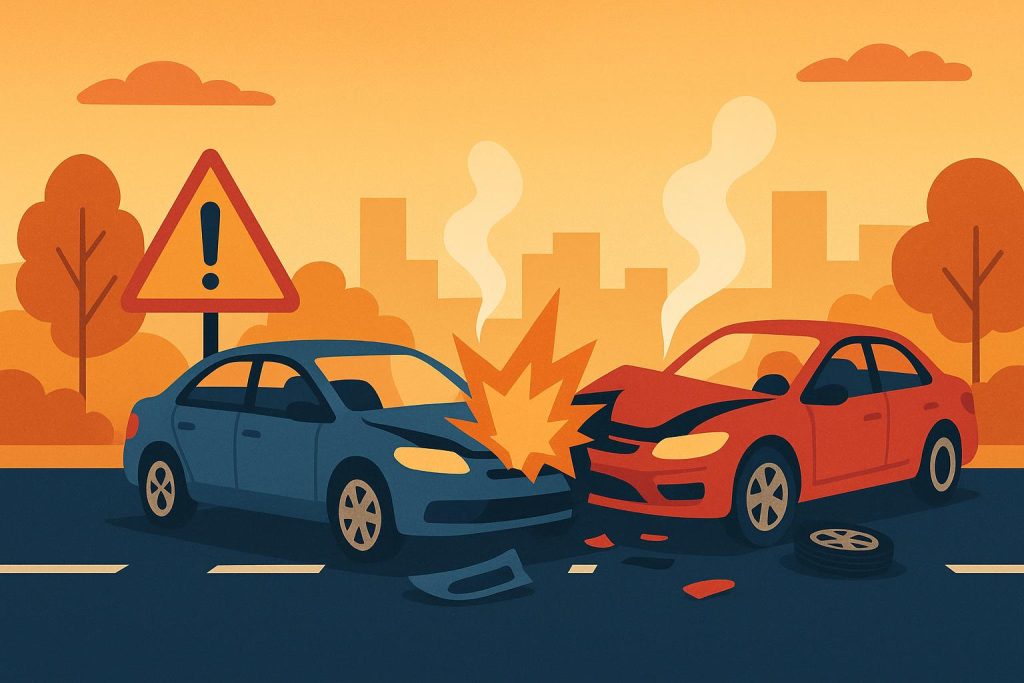
It only takes a second.
One missed signal. One sudden stop. And just like that, an ordinary drive turns into something stressful and confusing. For many people in our communities—whether commuting to work, running errands, or driving kids to school—a car accident is something you never expect but need to be prepared for.
What you do in the minutes, hours, and days after a collision matters more than most people realize. It can affect your safety, your financial recovery, and how smoothly you’re able to move forward.
This guide breaks it down in a practical, straightforward way.
Table of Contents
The First Few Minutes: Focus on Safety
Right after a crash, everything feels loud and disorganized.
Your first job is simple: check for injuries. Start with yourself, then passengers, then others involved. If anyone needs help, call emergency services immediately.
If the vehicles can be moved, get to a safe location—away from traffic if possible. Turn on hazard lights. Stay visible.
Even if the accident seems minor, don’t rush to leave. Take a moment to steady yourself. Adrenaline can cloud judgment, and it’s better to slow down than miss something important.
Documenting the Scene: Your Future Self Will Thank You
Once things are under control, start gathering information.
This step is often overlooked, especially when people are shaken up. But it’s one of the most important things you can do.
Try to collect:
- Photos of all vehicles involved (from multiple angles)
- Close-ups of damage
- Road conditions, skid marks, and traffic signs
- Driver’s license and insurance details
- Contact information for any witnesses
If law enforcement is involved, make sure a report is filed and ask how to obtain a copy.
These details help establish what actually happened—something that becomes very important when dealing with insurance or legal questions later.
Not All Injuries Show Up Right Away
One of the biggest misconceptions after a car accident is this: “I feel fine, so I must be fine.”
But the body doesn’t always work that way.
It’s common for soreness, stiffness, or even headaches to appear a day or two later. Sudden impact can strain muscles and joints, even if the crash seemed minor at the time.
Pay attention to how you feel in the days following the accident. Rest when needed. Don’t ignore new discomfort.
Taking care of yourself early can prevent bigger issues later.
The Insurance Process: Slower Is Smarter
After the accident, the paperwork begins.
Insurance companies will likely contact you quickly. They may ask for statements, photos, or even suggest repair options.
It’s easy to feel pressured to move fast.
But this is where patience matters.
Before agreeing to anything:
- Review what’s being offered
- Make sure all damage (visible and hidden) has been assessed
- Keep copies of every document and communication
Early offers aren’t always complete offers. They may not account for long-term repairs or the full impact of the accident.
Taking your time helps protect your position.
Why Proper Vehicle Repair Is More Than Cosmetic
Fixing the car is often the next priority.
And understandably so—you want your routine back.
But here’s where many people make a costly mistake: focusing only on what they can see.
A dented bumper or scratched door is obvious. But what about alignment issues? Sensor damage? Structural shifts that affect how the car handles?
Modern vehicles are complex. Safety systems depend on precise calibration.
That’s why proper car collision repair is essential—not just for appearance, but for safety and reliability.
A thorough inspection ensures your vehicle is restored correctly, reducing the risk of future problems when you’re back on the road.
When Legal Questions Start to Come Up
Not every accident requires legal involvement.
But some situations are more complicated than they appear.
If there are injuries, disputes about fault, or challenges with insurance, it may be worth speaking with someone who understands how these cases work.
This doesn’t mean you’re escalating things unnecessarily.
It means you’re making informed decisions.
Local professionals often understand regional traffic patterns, insurance behaviors, and legal processes better than generic resources. That insight can make a difference when things aren’t straightforward.
The Emotional Side of an Accident
There’s a part of recovery people don’t always talk about.
The mental side.
Even a minor crash can leave you feeling uneasy behind the wheel. You might replay the moment in your head or feel more cautious than usual.
That’s normal.
If you have children, they may react too—sometimes quietly. Maybe they ask more questions. Maybe they hesitate getting into the car.
Give everyone time to adjust.
Start with short, familiar drives. Keep communication open. Reassure them—and yourself—that you’re taking steps to stay safe.
Confidence comes back gradually.
Practical Tips for Moving Forward
Once the immediate situation is handled, a few simple habits can help you stay prepared:
- Keep a small emergency kit in your car (flashlight, phone charger, basic supplies)
- Save important contacts in your phone ahead of time
- Review your insurance coverage so you know what’s included
- Schedule regular vehicle checks to catch issues early
These aren’t complicated steps.
But they add a layer of readiness that can make future situations less stressful.
A Community Mindset: Looking Out for Each Other
Car accidents don’t just affect individuals.
They affect communities.
Busy intersections, local roads, school zones—these are shared spaces. Staying alert, driving responsibly, and being mindful of others helps reduce risk for everyone.
And when accidents do happen, how we respond matters.
Helping where you can. Staying calm. Sharing accurate information.
These small actions contribute to a safer environment for all.
Getting Back on Track
After a collision, it’s easy to feel like everything is temporarily off balance.
But step by step, things settle.
Your car gets repaired. Your routine returns. The stress fades.
The key is not to rush the process.
Focus on safety first. Take time with decisions. Make sure both you and your vehicle are truly ready before moving forward fully.
Because recovery isn’t just about fixing damage.
It’s about restoring confidence—on the road and beyond.