


Alan Jewett is a Certified Peer Recovery Specialist and US Army veteran based in Hermitage, Tennessee, with professional experience spanning aviation and behavioral health support. In his recovery focused roles, Alan Jewett served as a Continuing Care Coordinator at Journey Pure at The River and as a Guide with Firsthand Cares in Nashville, where he performed community outreach for individuals living with substance use dependency and serious mental illness. He directed individuals toward community resources and helped coordinate ongoing care to support sustained recovery goals. Alongside this work, he built a long career as a helicopter air ambulance pilot and Army Standardization Instructor Pilot. His background reflects firsthand experience with the role that structured support systems and coordinated community efforts play in addressing substance use disorder.
Table of Contents
The Importance of Community Support in Addressing Substance Use Disorder
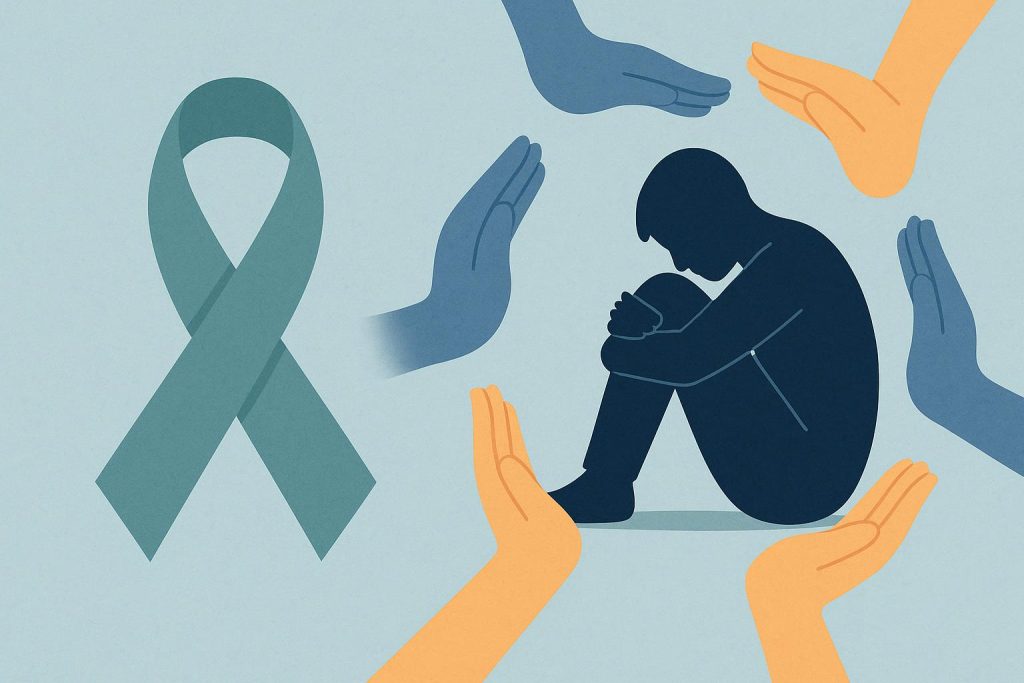
Substance use disorder often enters a person’s life quietly, but its effects rarely stay contained to one individual. Recovery happens in context. What occurs next depends on community views, resources, and relationships. Awareness and coordination by neighbors, local organizations, and service providers make change feel attainable.
Peer support groups illustrate this dynamic clearly. People with substance use disorder feel less isolated when they talk openly. Listening to people who have had similar circumstances can change one’s perspective. The sensation of belonging in these situations typically improves treatment commitment. Members support each other in staying up to date and strive toward stability through shared accountability.
Community-based treatment services add another layer of support. Neighborhood outpatient clinics, rehabilitation homes, and counseling centers eliminate barriers to treatment because of familiarity. Integrating substance use and mental health programs shows a deeper knowledge of rehabilitation. Coordinated services provide continuity rather than fragmentation.
Education and prevention efforts also emerge from community engagement. Schools, businesses, and local organizations typically provide risk factors and early warning information. These interactions challenge antiquated views that substance use illness is a character flaw. By labeling it a medical illness impacted by biology and environment, communities support early intervention. Awareness reduces hesitancy and facilitates rapid support.
Families benefit when communities offer structured guidance. Family support groups, workshops, and counseling programs help relatives understand how substance use disorder affects behavior and relationships. With clarity, family members communicate more effectively and set healthier limits. They also learn to avoid unintentional harm, extending enabling habits. Community resources help both people in recovery and their households.
Local leadership and policy decisions further shape outcomes. Municipal programs that expand access to treatment, support overdose prevention initiatives, and promote evidence-based strategies influence public health trends. Collaboration among healthcare providers, social services, and law enforcement can redirect responses from punishment to treatment. When systems align, individuals experience fewer care gaps and greater consistency in messaging.
Economic stability and housing security illustrate how recovery extends beyond clinical intervention. Safe living environments and meaningful employment contribute to long-term progress. Community partnerships with housing agencies and local employers provide practical foundations for rebuilding daily life. These supports address social factors that often interact with substance use disorder. Stability in these areas can reduce stressors that might otherwise increase vulnerability to relapse.
Faith-based institutions and cultural organizations often contribute quietly but meaningfully to recovery efforts. Many provide informal counseling, mentorship, or practical assistance such as meals and transportation to treatment appointments. These trusted spaces can lower resistance to seeking help, particularly in communities where stigma remains strong.
Cultural attitudes within a community also matter. Stigma can silence individuals who might otherwise reach out for help. In contrast, communities that highlight stories of recovery and resilience foster hope. Public acknowledgment of substance use disorder as a shared challenge encourages empathy rather than judgment. This shift in tone can influence whether individuals feel safe disclosing their struggles and seeking assistance.
Community support ultimately reflects a broader understanding of health as relational rather than purely individual. Although treatment focuses on changing the way the brain works biologically, recovery is stronger when social structures support growth. Success as judged by abstinence, restored connection, and group responsibility offers a new perspective. Thus, communities combat substance use disorder by integrating sustainable recovery into daily life.
About Alan Jewett
Alan Jewett is a Certified Peer Recovery Specialist and US Army veteran residing in Hermitage, Tennessee. He has served as a Continuing Care Coordinator at Journey Pure at The River and performed community outreach with Firsthand Cares, supporting individuals with substance use disorders and serious mental illness. He also has an extensive aviation background, including 18 years as a US Army Standardization Instructor Pilot and service as a Helicopter Air Ambulance Pilot with Air Methods.

