

Table of Contents
Table of Contents
- Rising Advertising Costs
- AI-Driven Automation
- Expansion of Ad Formats
- Enhanced Attribution Models
- Integration of External Traffic
- Consolidation of Ad Platforms
- Impact on Organic Search Results
- Conclusion
Amazon’s Pay-Per-Click (PPC) advertising landscape is evolving at an unprecedented pace and directly impacts the wider e-commerce sector. Navigating these changing waters is crucial for brands seeking sustainable growth and visibility. The latest Amazon PPC advertising trends have set new standards, with increased automation, innovative ad formats, and changing cost structures reshaping how businesses reach their audiences.
The competition for ad space is fiercer than ever, requiring both new and experienced sellers to rethink campaign strategies and capitalize on Amazon’s constantly evolving toolset. In this environment, efficiency is king, and staying informed means staying relevant. Understanding where the industry is heading helps maximize return on investment and ensures long-term e-commerce success.
Amazon’s PPC updates are not happening in isolation. Sellers must also keep an eye on shifts in consumer behavior, external marketing opportunities, and the intricacies of the interplay between organic and paid search. The marketplace is rewarding those who take an integrated, data-driven approach, especially as advertising costs continue to rise and automation drives campaign performance.
To build an advertising strategy that stands out in 2026, it pays to work with experts who know how to leverage Amazon’s ecosystem. The Bellavix marketplace agency provides specialized support to brands looking to elevate their Amazon presence and stay ahead of the curve.
Rising Advertising Costs
Amazon’s advertising costs have risen sharply, with 2025 CPC up over 10%, especially in top categories. This reflects fierce competition and Amazon’s dominance as a shopping hub. Sellers must optimize ad spend, target keywords carefully, and monitor campaigns closely to maintain margins. Successful brands are leveraging data analytics, testing new strategies, and adjusting budgets to high-converting keywords while pausing underperformers. CNBC reports Amazon’s ad revenue hitting record highs due to this competitive environment.
AI-Driven Automation
Artificial intelligence is central to Amazon’s Advertising Console, powering automated bidding and targeting tools that analyze real-time data to optimize campaigns. This automation helps large sellers and brands across categories scale efficiently and capitalize on trends. Using AI tools saves time and boosts return on ad spend through continual optimization, making them a baseline best practice in Amazon’s competitive marketplace.
Expansion of Ad Formats
Amazon continues to diversify its advertising ecosystem, introducing new ad types such as Sponsored Display and engaging video formats. Sponsored Display Ads now enable sellers to retarget Amazon and off-Amazon audiences, creating new avenues for brand reinforcement and remarketing. Video ads, meanwhile, command higher engagement and have proven particularly effective for product launches, seasonal promotions, and brand storytelling.
This broadening of ad inventory enables sellers to tailor their media mix and deliver richer experiences to shoppers at every stage of the funnel. Brands that incorporate a blend of search, display, and video can achieve stronger holistic results, as each format contributes uniquely to brand exposure and conversion rates.
Enhanced Attribution Models
The rollout of multi-touch attribution models transforms how advertisers evaluate campaign success. Instead of relying on last-click data, brands now attribute value across various customer touchpoints, gaining clearer insights into how ads influence conversions throughout the buyer’s journey. This helps brands identify impactful strategy elements and allocate resources better. Enhanced reporting enables sellers to confidently invest in upper- and mid-funnel tactics and measure their contribution to sales. Overall, this evolution promotes smarter budget use and balanced campaigns.
Integration of External Traffic
Amazon’s A10 algorithm increasingly rewards product listings with strong conversion rates and high-quality external traffic. Sellers who consistently drive traffic from sources such as social media, influencer marketing, email lists, and Google Ads see gains in both paid and organic performance. This integrated approach is especially important, as algorithms prioritize overall listing activity and conversion signals when determining rankings and ad placement.
By cultivating traffic from outside the platform, brands can safeguard against rising on-platform ad costs and reduce reliance on a single marketing channel. This holistic marketing mindset is central to long-term success in 2026 and beyond.
Consolidation of Ad Platforms
Amazon’s ad operations are becoming more unified, streamlining previously separate tools such as the Demand-Side Platform (DSP) and Ads Console into a single Campaign Manager. Consolidation brings greater transparency and cohesiveness for advertisers, making it easier to manage campaigns, track cross-channel performance, and deploy omnichannel strategies. This move also enables brands to experiment with broader advertising strategies, yielding data-driven insights that inform product, creative, and targeting decisions across the entire shopper journey.
Impact on Organic Search Results
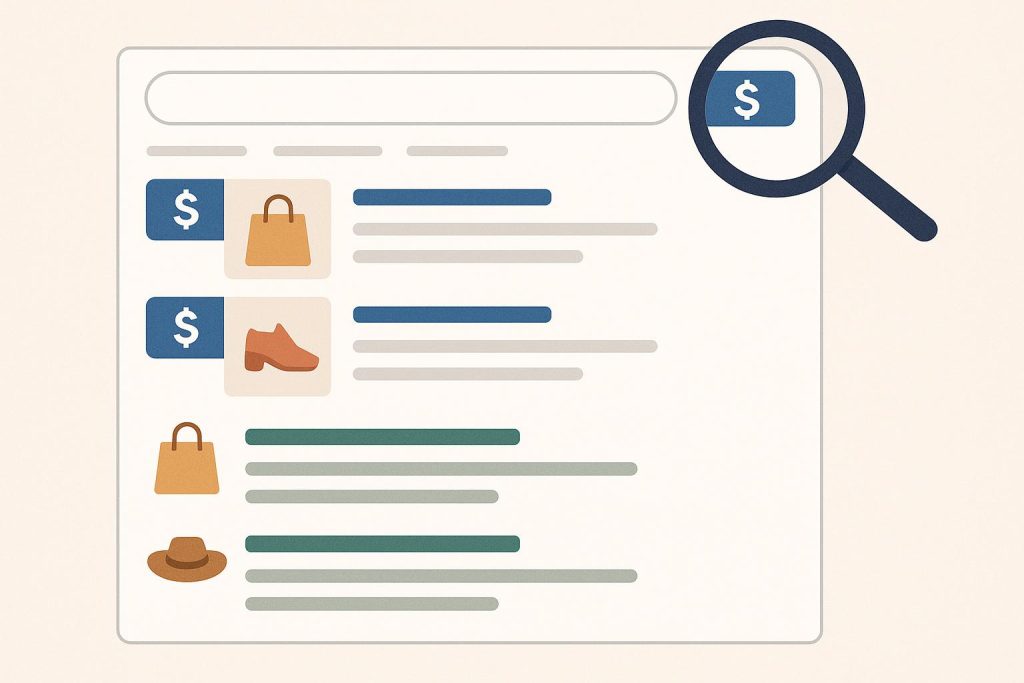
Sellers relying solely on organic strategies face new challenges as the prominence of sponsored placements at the top of Amazon’s search engine results pages (SERPs) continues to grow. Shoppers are first exposed to paid listings, which can profoundly influence buyer decisions and make it harder for organic listings to gain traction. Recent studies suggest this shift is not unique to Amazon, but reflects a wider industry movement toward more monetized search environments.
It is now more important than ever to balance paid efforts with organic optimization, ensuring products have every opportunity to stand out amid a crowd of promoted results.
Conclusion
Amazon’s PPC advertising landscape is undergoing a major transformation in 2026, requiring brands to fine-tune every aspect of their strategy. Rising ad costs, advanced AI automation, expanding ad formats, and new attribution frameworks are reshaping what it means to succeed on the world’s largest e-commerce platform. Ultimately, the brands that thrive will be those that continually test, optimize, and integrate both paid and organic tactics, leveraging every tool at their disposal to deliver results in a highly competitive marketplace.