


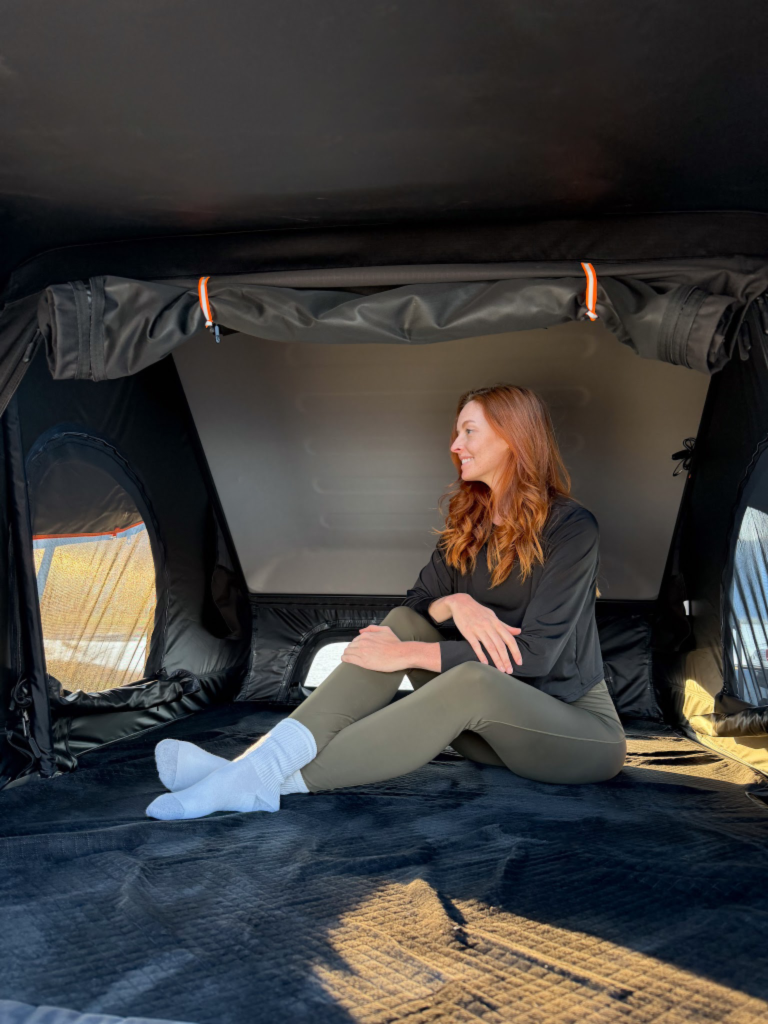
Across Southeast Asia, weekend camping trips have been shifting in a quiet but noticeable way. It’s no longer just about reaching a destination or escaping the city for a night or two. For many people in places like Singapore, Johor, and coastal Malaysia, the focus has slowly moved toward something more practical: how livable the experience actually feels once you arrive.
On a recent short trip out of the city toward a quieter coastal stretch, this shift became very obvious. The plan was simple—park the SUV, set up a sleeping space, and stay close to nature without overthinking logistics. But after a few hours of settling in, what stood out wasn’t the scenery. It was how quickly small discomforts started to shape the entire experience.
Not in a dramatic way, but in a slow accumulation of friction that’s easy to ignore at the beginning and hard to escape once the night sets in.
Comfort doesn’t break at once; it accumulates
Most camping discomfort doesn’t come from one obvious failure. It builds gradually. A surface that feels acceptable during setup starts to feel uneven after an hour. Air that seemed manageable during the day becomes heavy once the cabin cools unevenly. Even movement inside the vehicle feels more restricted than expected when everything is packed tightly around the sleeping space.
Lighting is usually the first thing that exposes this shift. A phone flashlight works in theory, but in practice it flattens the space into small, isolated patches of visibility. You either see too much in one spot or nothing at all in another, which makes even simple tasks feel slightly inconvenient.
This is often where people start rethinking what they bring with them. Not in terms of quantity, but in terms of usefulness. Small adjustments like softer ambient lighting or better-organized storage don’t transform the trip, but they reduce the constant micro-decisions that make a space feel temporary. It’s also where many campers begin exploring small comfort-focused camping gear changes, not as upgrades in a luxury sense, but as corrections to repeated friction points.
Once you notice these small issues, it becomes hard to ignore them on future trips.
When the car stops being the main living space
There’s a point in most SUV-based camping setups where the vehicle itself starts to feel like a constraint rather than a base. Rear seats become a makeshift bed, storage turns into a puzzle, and every adjustment requires shifting something else out of the way. It works, but it also demands constant adaptation.
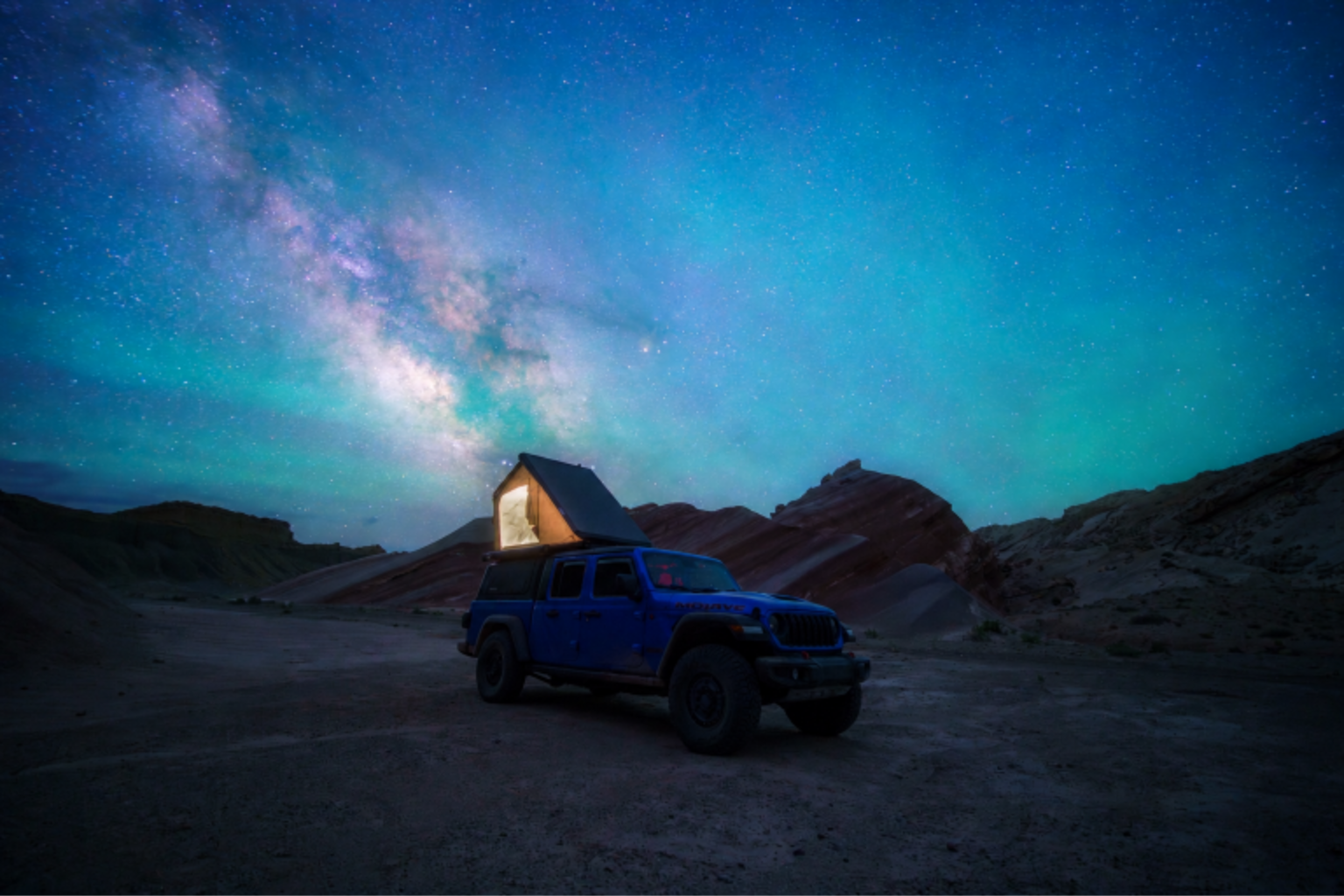
On the same trip, a nearby setup offered a quiet contrast. Instead of turning the car interior into a temporary sleeping arrangement, the sleeping system was fully separated from the cabin structure. The result wasn’t just more space—it was fewer decisions. People weren’t rearranging things at night. They were simply stepping out, sitting down, and letting the setup function without further adjustment.
This is where structured rooftop systems start to change expectations. Not because they feel more advanced, but because they reduce variability. The sleeping environment stays consistent regardless of where the vehicle is parked, how the ground looks, or how long the setup takes.
It also explains why many travelers gradually move toward structured rooftop sleeping setups. The appeal isn’t just comfort in isolation. It’s the removal of repetition—less rebuilding, less adjusting, and fewer points of friction each time the trip begins.

And once that repetition disappears, the rhythm of the trip changes noticeably.
Shade, time, and the part of camping people underestimate
By the next day, the focus shifts again. Not to sleeping arrangements, but to how the space behaves under heat.
In open coastal or semi-rural areas, sunlight becomes a limiting factor more than most people expect. A campsite that feels comfortable in the morning can become difficult to stay in by midday simply because there is no usable shade. Even sitting inside a parked vehicle becomes uncomfortable once heat builds up inside the cabin.
What tends to change the experience isn’t a dramatic upgrade, but something much simpler: creating a space that allows people to remain outside without constantly retreating into the car. A shaded area turns the campsite from a short-stay stop into a usable living zone.
And once that happens, the trip stops feeling segmented into “inside the car” and “outside the car” moments. It becomes continuous again.
Comfort is really about reducing interruptions
After a few trips like this, something subtle becomes clear. The goal of comfort upgrades isn’t to make camping feel like a hotel. It’s to reduce the number of times the experience interrupts itself.
A better sleeping surface doesn’t change the nature of camping, but it reduces how often you wake up and adjust your position. Better lighting doesn’t make the environment artificial, but it removes hesitation when moving around at night. A more structured sleeping system doesn’t eliminate effort, but it removes repetition.
What changes over time isn’t the destination, but the tolerance for friction. Once that threshold lowers, people start planning trips differently. Not with more equipment, but with fewer unnecessary adjustments.
Camping, in that sense, stops being about proving simplicity. It becomes about removing the small inefficiencies that quietly shape the entire experience.
And perhaps that’s where the real shift is happening. Not toward more gear or more complexity, but toward setups that simply allow the same space to feel easier to exist in for longer periods of time.

