

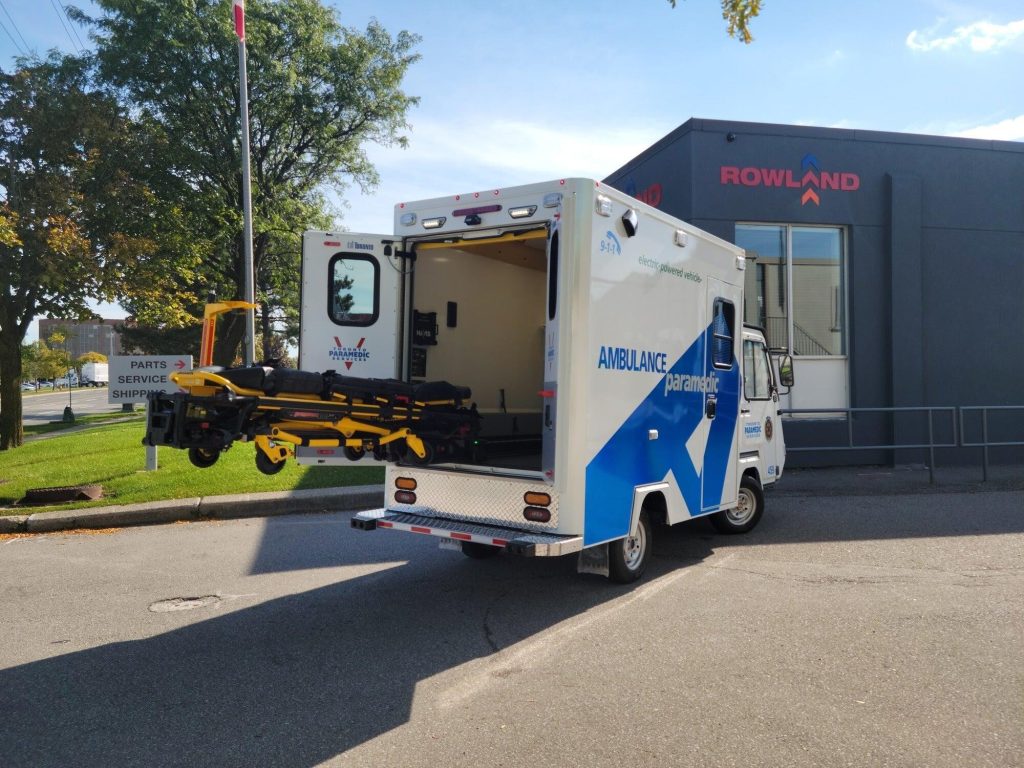
A supervisor SUV arrives first at a roadside emergency, while a command unit coordinates crews at a larger incident. A community paramedicine vehicle serves another purpose: carrying assessment equipment to scheduled home visits. Each vehicle needs a layout that supports its team, not a standard arrangement copied from another fleet.
For Canadian emergency services, planning custom emergency response vehicles starts with understanding the tasks crews perform, the equipment they carry and the spaces they use. These non-transport response vehicles require different storage, communications and power arrangements from patient-transport ambulances. A well-planned layout helps crews access essential equipment quickly without searching through crowded compartments. It also supports safer equipment handling and more efficient daily operations.
Table of Contents
Why Response Roles Shape Vehicle Design
A clinical supervisor may need an airway bag, AED and medical supplies within reach of the rear hatch. A command officer may need radios, a laptop and paperwork secured near an accessible workspace. Community paramedics may carry blood-pressure monitors, assessment kits and supplies for home visits.
A 2024 Ontario randomized trial involving 2,284 participants across four paramedic service regions examined a community paramedicine home-visit program. Paramedics conducted health assessments, provided education and connected participants with other services. The study did not evaluate vehicle design, but it illustrates why community care creates different equipment needs from urgent incident response.
Match Features to the Vehicle’s Job
Choose the vehicle platform and layout only after identifying its operational role. A compact SUV may suit quick travel and smaller equipment loads; a larger unit may offer more space for communications or specialty gear.
| Vehicle type | Main role | Useful customization |
| Supervisor SUV | First response and field oversight | Accessible medical kits, AED holder, cargo drawers |
| Command unit | Incident coordination | Radio console, computer mount, charging points |
| Community paramedicine vehicle | Home assessments | Portable kit storage, charging space, discreet compartments |
| Specialty support truck | Equipment and logistical support | Slide-out cargo storage, secure tool compartments |
These are planning examples, not universal requirements. Equipment loads, vehicle specifications and local protocols should determine the final configuration.
Organize Storage Around Equipment Retrieval
Crews should not need to shift several cases before reaching the equipment they use first. Place frequently needed bags near a practical access point, then give backup supplies separate positions. Vehicle-specific drawers and dividers help keep items where staff expect them.
Useful storage decisions include:
- Rapid-access zones: Position airway bags and AEDs where staff can remove them without rearranging the cargo area.
- Separate compartments: Keep reserve supplies away from ready-to-use kits and label both clearly.
- Secure restraints: Use suitable brackets and latches for monitors, oxygen cylinders and other approved equipment.
When reviewing custom emergency response vehicles, test the layout with the actual bags and devices crews will carry.
Plan Communications, Power and Lighting Together
Command teams may depend on multiple radios and computer equipment; supervisors may prioritize an accessible mobile radio and simple operational controls. Map these requirements before installing centre consoles, charging points and device mounts.
Consider cable routing, power demand and visibility at night. A screen should not obstruct the driver’s view, while controls should remain easy to identify without distracting from driving. For emergency services, planning custom emergency response vehicles with integrated communications and storage systems can help prevent awkward retrofits and overcrowded workspaces.
Check Safety and Canadian Compliance Before Installation
Customization must preserve vehicle safety. Added drawers, batteries and communications equipment affect payload, securement and access. Inspect the intended layout against chassis manufacturer instructions and the regulations that apply to the vehicle’s jurisdiction and role.
Before commissioning, verify:
- Weight and mounting: Confirm payload limits, attachment points and secure restraint of equipment.
- Electrical work: Check wiring, protection and installation documentation against applicable requirements.
- Operational access: Keep exits, seat belts, controls and necessary equipment clear.
Keep Familiar Layouts Across the Fleet
Standardization helps when staff rotate between vehicles. Place essential medical kits in consistent zones where practical, use recognizable labels and keep common controls in predictable locations.
However, matching every compartment exactly can undermine purpose-built design. Emergency services should standardize critical routines while allowing differences for command equipment, community care supplies and specialty gear. During shift changes, a simple vehicle map helps unfamiliar crew members locate items without guesswork.
Test the Setup Before Deployment
Invite frontline staff to complete realistic retrieval tasks before accepting a new layout. Ask someone to remove the airway kit, access the AED, connect a charger and open each drawer while the vehicle stands in a typical parking position.
Record blocked access, awkward lifting and unclear labels. Confirm that equipment stays restrained when the vehicle moves, and establish pre-shift inspection and restocking procedures. Correcting these issues before deployment can prevent repeated daily frustrations.
Build Around the People Using the Vehicle
The best response vehicle configuration fits the team’s actual work. Thoughtful storage, dependable communications and verified safety arrangements can improve equipment access and support smoother response workflows. A well-designed layout helps crews locate essential supplies without unnecessary searching or handling. It also supports safer operations by keeping equipment secure and accessible during daily activities.
For emergency services planning custom emergency response vehicles, Rowland Emergency offers role-specific storage and equipment integration options. Choosing the right configuration requires careful consideration of vehicle dimensions, crew responsibilities and operational requirements. Custom storage compartments and properly positioned equipment can make daily tasks more organized and manageable. Explore Rowland Emergency’s vehicle solutions to find options that support reliable performance, efficient workflows and crew safety.