

Small business owners deal with ordinary situations that can sometimes lead to unexpected liability claims. A customer walks into a store, an employee visits a client’s property, or a product is sold and used later at home. Most of the time, nothing goes wrong. But a simple accident can quickly become a business issue involving medical expenses, property damage, legal costs, or a request for compensation.
For example, a customer may slip on a wet floor after a rainy day. An employee might accidentally damage a client’s equipment while completing a service call. A product could cause injury or damage after it has already been sold. These situations are practical business risks, not reasons for owners to operate defensively. Understanding how they happen can help business owners review their insurance and make sure their protection reflects the way their company actually operates.
Table of Contents
A Wet Floor Can Become an Unexpected Claim
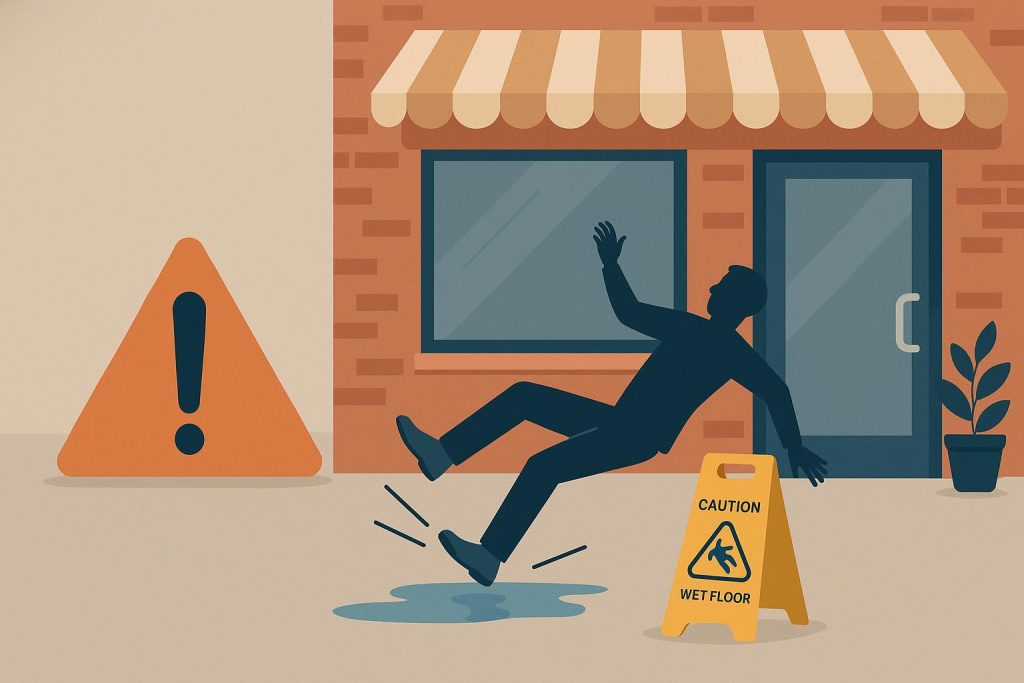
Imagine a small business on a busy winter morning. Customers are entering throughout the day, bringing snow and moisture onto the floor. An employee notices the wet area, cleans it, and places a warning sign nearby. A few minutes later, however, a customer walks across the same area, slips, and suffers an injury.
The business owner may have taken reasonable steps to prevent the accident, but the incident can still result in a liability claim. The customer might seek compensation for medical expenses, lost income, or other losses associated with the injury.
Similar incidents can happen because of loose mats, cluttered walkways, uneven surfaces, spilled liquids, or poorly maintained entrances. For businesses that regularly welcome customers, reviewing commercial general liability coverage in Ottawa can be a practical way to understand how premises-related risks fit within their insurance protection.
Client Property Can Be Damaged During Routine Work
Liability risks can also follow employees outside the business premises. Consider a small technology company sending a technician to a customer’s office to install equipment. While moving a monitor or connecting new hardware, the technician accidentally knocks the equipment onto the floor and damages it.
Nothing unusual caused the incident. The employee was simply performing an ordinary part of the job. Yet replacing the damaged equipment could create a significant expense, particularly if the item is specialized or expensive.
The same situation could happen when a cleaner damages furniture, a contractor breaks a fixture, or a service provider accidentally damages flooring while completing work. Businesses that regularly enter customer properties should consider these everyday activities when reviewing their insurance. The goal is to make sure the coverage reflects actual operations rather than an outdated description of the business.
A Product Can Create Problems After the Sale
Product-related claims can be particularly unexpected because the incident may happen days or weeks after the original transaction. A small retailer, for example, may sell a household product that appears completely normal when it leaves the store.
Later, the customer uses the product according to its intended purpose, but it fails and damages nearby property. In another situation, a customer could claim that a product caused an injury during normal use.
The business owner may not have known there was a problem when the sale took place. Nevertheless, the business could become involved in a claim depending on the circumstances and applicable policy terms.
Businesses that manufacture, distribute, assemble, or sell products should therefore understand how their operations affect their insurance needs. Product-related exposure is one reason a general review of liability protection can be useful as a company grows or changes what it sells.
Why Liability Claims Often Arrive Unexpectedly
Liability claims can be surprising because they rarely happen when an owner has time set aside to deal with them. A company may operate for years without a serious incident. Then, during an otherwise ordinary business day, a customer falls, an employee damages property, or a customer reports an injury connected with a product.
This can also create confusion about what a standard business insurance package actually covers. Business insurance is not necessarily identical from one company to another. Limits, exclusions, conditions, and individual coverage sections can vary depending on the insurer, industry, operations, and policy selected.
A business that has changed since its original policy was arranged may also need a review. New employees, additional services, online sales, customer visits, or work performed at outside locations can all change the nature of the business’s liability exposure.
Reviewing Protection as the Business Changes
A useful insurance review starts with the business as it operates today. Owners can consider how customers interact with the company, what employees do during a normal workday, whether staff visit client locations, and whether the business sells or handles physical products.
Oegema, Nicholson & Associates is an independent Ontario brokerage business owners can consult to review whether their commercial general liability insurance matches their actual operations and coverage needs.
This type of review can be especially useful after a major change. Expanding into a new location, adding employees, introducing a new service, selling different products, or taking on larger contracts can create circumstances that were not present when the original policy was purchased.
The objective is not to assume that every routine incident will become a claim. It is to understand the protection already in place and identify areas that may deserve closer attention.
Conclusion
Small business liability claims often begin with ordinary situations: a customer slips on a wet entrance, an employee accidentally damages property at a client’s location, or a product causes harm after it has been sold. None of these events necessarily indicates poor management. They are examples of how normal business activities can sometimes produce unexpected consequences.
For that reason, liability protection should be considered alongside the actual way a business operates. A policy arranged several years ago may not fully reflect today’s employees, services, customers, locations, or products.
Regularly reviewing coverage can help owners understand their limits, identify important exclusions, and determine whether their insurance still fits the business. Taking this practical approach allows small business owners to focus on serving customers and growing their companies while making informed decisions about the risks that come with everyday operations.