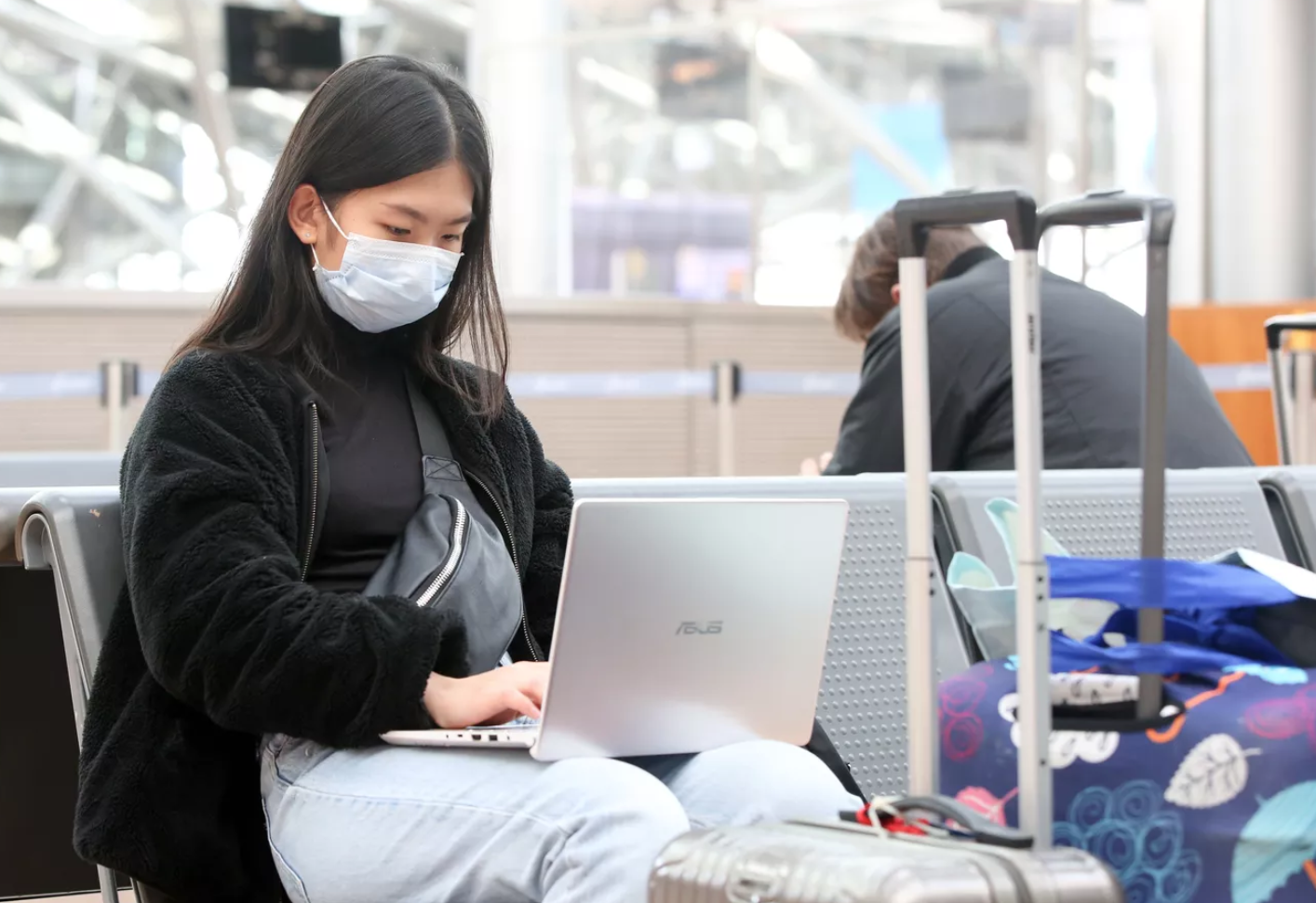
Coronavirus lockdowns made more people stay at home, so that cut back on traffic on the roadways. More people were working from home, or laid off from work, and with more closures more people were staying home. As businesses reopen, and more cities come off lockdown, highways are once again filling up with vehicles. While people are returning to work and more people are getting out of their houses, they are opting to drive in private vehicles to social distance. Some people do not feel safe about returning to public transit despite the rules in place that include reducing the number of passengers, regularly sanitizing the buses or trains, and requiring face masks to be worn.
If people do not return to public transit, then traffic will be even worse than it was before the pandemic, and that could lead to a variety of issues. Cities, counties, and states have faced a variety of challenges throughout the duration of the pandemic, including providing essential services, protecting those on the frontlines, making sure citizens understand the risks and take the pandemic seriously, setting new guidelines and issuing orders, and making due despite facing budget cuts.

With the lockdowns, streets emptied. Traffic no longer became a problem. In March, as states across the country began implementing stay-at-home orders and commuters got off the road, traffic dropped, but a new National Safety Council report finds that the number of motor vehicle fatalities per miles driven increased by 14% compared with the March 2019 rate. Now the lockdowns are ending, and traffic is once again becoming an issue. Many of those who live in the cities, which have a higher population, have indicated that they will not be using public transit in the immediate future. They view private vehicles as a better way to social distance and as a safer alternative. Many of those declining public transit have indicated they have concerns about people not following social distancing guidelines and refuse to wear masks in social situations.
A Closer Look At The Situation
As China reopened, they have seen rush hour traffic that was significantly worse than the rush hour traffic they encountered prior to the pandemic shutdowns. The National Association of City Transportation Officials has indicated that they are concerned that a crushing gridlock could result from the pandemic and the higher traffic numbers. While many people will not be easily swayed and jump back on public transit right away, one way to help reduce the traffic gridlock is to encourage more people to walk, ride a bicycle, or take a scooter to work. Some cities are reviewing their streets and expanding sidewalks to help improve social distancing, and then converting some streets to non-motor vehicle traffic.
One of the first cities to make the transition was Seattle, Washington, which created some “Stay Healthy Streets,” which blocked auto traffic on some roads and opened them to pedestrians, cyclists, and scooter riders. The city has announced that the changes that they have made will be permanent. While New York City is known for traffic issues and gridlock, they are anticipating even worse problems. The traffic problem is a worldwide issue with cities around the globe trying to resolve the issue. By putting some streets off limits to motor vehicles, cities are helping prevent traffic gridlock as well as helping reduce the amount of air pollution, which according to the World Health Organization kills about four million people around the world annually.
More than 30 international large cities coming out of lockdown, including Geneva, Hong Kong, and Oslo, reported significantly higher congestion on their roadways in mid-June than the previous year during a comparable timeframe. Other early reports indicate that driving is increasing much more rapidly than public transit usage as people get back out.
San Francisco saw an 80 percent decline in bus riders from early March to late May, and has now opened up 24 miles of car-free streets for cyclists and pedestrians with plans to open 10 more miles allowing these routes to span several miles of the city.
Other Problems With Traffic Gridlock
With more cars out on the roads, the chances of being in an auto accident also increase significantly. The Insurance Information Institute reported that 36,096 people died in car accidents in the U.S. during 2019. In 2018, there were 6,734,000 total crashes reported to authorities and these crashes led to 33,654 deaths and 1,894,000 injuries. When you encounter more cars on the roadways, the chances of a crash increase greatly. These accidents can lead to life-altering injuries that cause a variety of damages and losses. It can leave an individual with mounting medical bills, extensive time off work, pain and suffering, and property damages.