


Table of Contents
Table of Contents
- Introduction
- What Are Emergency Call Buttons?
- Applications in Different Settings
- Technological Advancements
- Benefits of Emergency Call Buttons
- Considerations for Implementation
- Conclusion
Emergency call buttons are now seen as an essential part of personal and public safety frameworks. They offer people a fast, reliable way to summon help when needed most, bridging the gap between an emergency and a timely response. Whether placed in public spaces, workplaces, or private residences, these devices add a layer of security that saves lives and delivers much-needed reassurance to users. For more information on their practical applications, see this informative guide about the emergency call button.
The relevance of emergency call buttons continues to grow as both individuals and organizations seek efficient solutions for urgent assistance. In high-stakes scenarios such as medical emergencies, criminal threats, or accidents, these buttons serve a critical role. Their evolution aligns with an increasing recognition of safety needs in contemporary society.
This widespread adoption is driven by the convenience and effectiveness of emergency call buttons. With just the press of a button, users can alert first responders or designated personnel, which is particularly valuable in environments where every second counts. As safety technology continues to advance, these devices become increasingly integrated into our schools, businesses, and homes.
Their design caters to many different settings, allowing vulnerable individuals, staff, or the general public to reach out for help unobtrusively and efficiently. The ability to tailor solutions for specific contexts ensures their continuing impact in modern life.
Safety remains a pressing concern for individuals and organizations worldwide. Emergency call buttons offer a direct means to address emergencies quickly, delivering peace of mind and often reducing risks in critical moments. The benefits they confer span beyond immediate rescue, supporting systematic improvements in emergency management practices.


What Are Emergency Call Buttons?
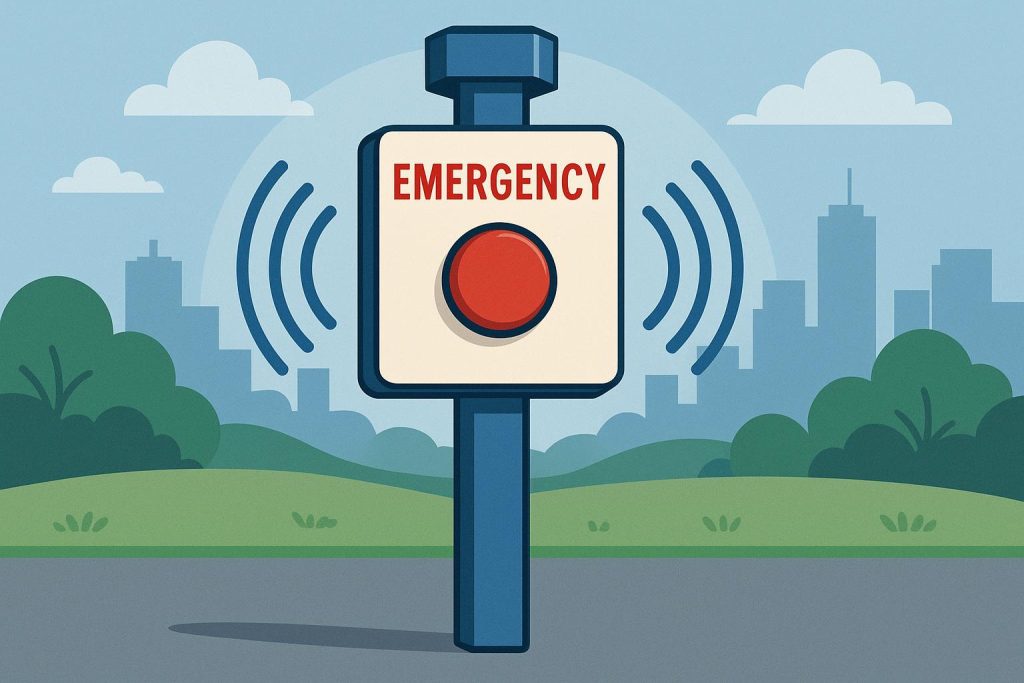
Emergency call buttons come in various shapes, sizes, and configurations, but all share a common function: connecting users with help during crises. Typically, these devices transmit a coded alert to security teams, health professionals, or first responders, depending on their configuration and location. Modern designs support both stationary installations, such as wall-mounted panels, and wearable options that can be carried by vulnerable individuals or staff.
These tools are usually connected to centralized monitoring centers or local responders. Once activated, they send a notification that prompts immediate action, whether by dispatching assistance or contacting emergency services. This straightforward process is what makes emergency call buttons invaluable in unpredictable or time-sensitive situations.
Applications in Different Settings
The versatility of emergency call buttons ensures they can be deployed across many sectors:
- Healthcare Facilities: Hospitals and clinics rely on call buttons so doctors, nurses, and staff can quickly request medical aid or security intervention. Rapid communication helps manage everything from patient health emergencies to threats against staff.
- Educational Institutions: Schools and universities recognize the growing need for on-campus security. For example, the University of Pittsburgh has installed panic buttons in classrooms, enabling staff to respond quickly to threats or emergencies.
- Workplaces: Employees in retail, hospitality, and high-risk industries benefit from panic buttons, especially during incidents like workplace violence or robberies. Quickly activating a button silently summons help, reducing the potential for escalation.
- Public Spaces: Transit systems, parks, and malls increasingly use emergency call buttons to address accidents, medical incidents, or criminal activities, improving public safety and deterring misconduct.
Technological Advancements
Technology has significantly improved emergency call button systems, making them smarter, more discreet, and interconnected:
- Wearables: Discreet pendants or bracelets allow vulnerable individuals, such as seniors or those with medical conditions, to summon help without drawing attention.
- Mobile App Integration: Modern systems link physical buttons to smartphone apps, providing GPS location and direct messaging to loved ones or emergency dispatchers, which improves response accuracy and speed.
- Automatic Features: Advanced devices include automatic fall detection and health monitoring, so alerts are triggered even if the user is unable to press the button manually.
With cloud-based connectivity and IoT integration, emergency call systems can provide holistic solutions encompassing security, communication, and medical support, all in one package.
Benefits of Emergency Call Buttons
Organizations and users consistently report several key benefits from implementing emergency call buttons:
- Rapid Response: Alerts can be sent instantly, narrowing the window between an incident and help arriving, which is often crucial during health or safety emergencies.
- Enhanced Safety: The presence of a reliable help mechanism provides comfort to staff, residents, or the public, knowing that support is never far away.
- Affordable Versatility: From a compact pendant to a large-scale integrated campus system, solutions suit many needs and budgets, making them accessible and easy to maintain.
Reliable emergency response tools also support legal compliance in regulated industries and bolster an organization’s reputation for safety and care.
Considerations for Implementation
Proper implementation is key to maximizing the value of emergency call buttons:
- User Training: Thorough training ensures every potential user understands the purpose, operation, and appropriate scenarios for activating the device. Frequent drills and refreshers can reduce false alarms and improve preparedness.
- Regular Maintenance: Scheduled tests and upkeep are necessary to guarantee all devices remain fully functional and reliable at all times.
- Protecting Privacy: Especially where devices include GPS or record information, organizations must implement robust data protection measures to preserve user privacy and comply with relevant laws.
Each of these elements should be addressed in an organization’s safety policy for maximum protection and efficiency.
Conclusion
Emergency call buttons are a simple yet highly effective safety solution for diverse environments. As technology evolves, these tools are adapting too, expanding their roles, and integrating more deeply into safety management systems across society. Whether deployed in schools, healthcare facilities, workplaces, or public spaces, their contribution to rapid intervention and increased peace of mind makes them a fundamental pillar of modern safety practices.

