

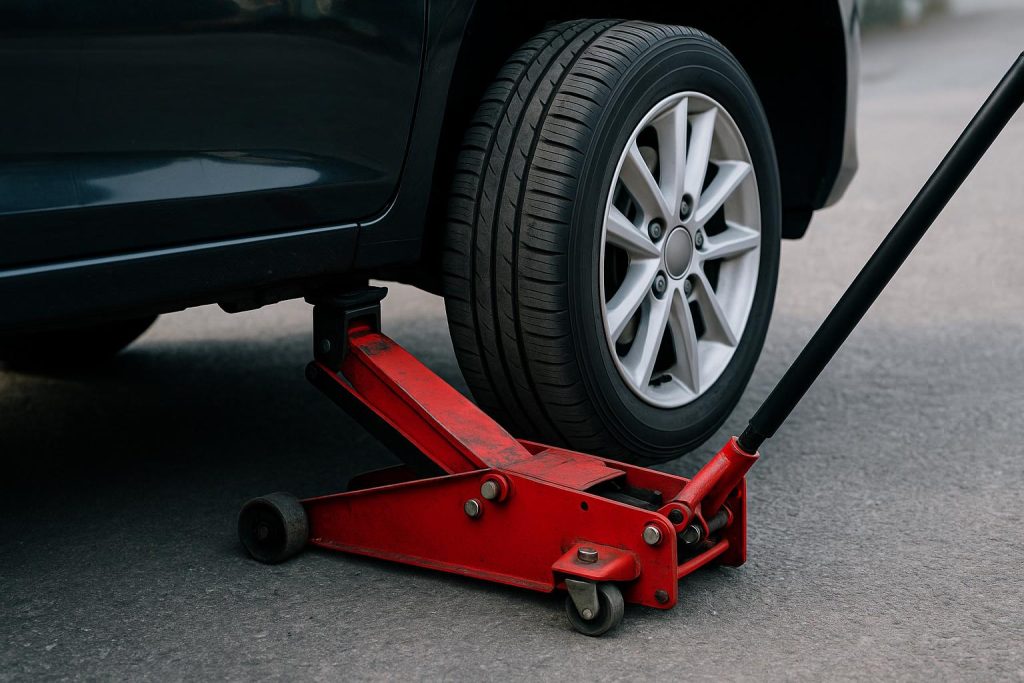
There was a time when lifting a vehicle felt like a leap of faith. You slid the jack underneath, pumped the handle, and listened closely for every creak, every tiny shift, every metallic complaint that made your stomach tighten. For many drivers and home mechanics, that moment still carries a strange mix of confidence and fear. You trust the tool, yet you never fully relax around it. That is exactly why modern technology is changing the game. Today, sensors are turning traditional lifting equipment into something far more aware, far more responsive, and far safer.
This matters because safety in the garage is deeply personal. A jack is not just another tool. It is the thing standing between a routine tire change and a disaster. As manufacturers innovate, car jacks are no longer simply heavy metal devices built on hydraulics and leverage. They are becoming intelligent systems capable of monitoring weight, balance, pressure, and even movement in real time. And for anyone who has ever crouched beside a vehicle at dusk with a nervous heartbeat, that progress feels almost comforting.
Why Smart Technology Is Transforming car jacks
At their core, smart jacks are still designed to do one simple job: raise a vehicle so you can work safely. But modern sensors add a layer of awareness that older tools never had. These sensors can detect whether the load is centered, whether the vehicle is shifting unexpectedly, and whether the jack is nearing its safe operating limits. Instead of relying only on human judgment, the system helps guide you.
That shift is enormous. Human error is one of the biggest causes of accidents during lifting. A slightly uneven driveway. A poor contact point. A hidden hydraulic weakness. These small mistakes can spiral quickly. Smart sensing technology reduces guesswork by giving immediate feedback. Some systems use pressure sensors to measure load distribution. Others rely on tilt sensors to warn when the lift angle becomes dangerous. More advanced models even feature digital displays or mobile app connections that show live status updates.
It is a bit like moving from an old kitchen timer to a modern smartwatch. Both tell you something useful, but one does it with awareness, precision, and context.
The Sensors Inside a trolley car jack That Matter Most
Not all sensors do the same job, and that is where things get interesting. In a modern trolley car jack, several types of sensors may work together.
Load sensors are among the most important. They measure how much weight the car jack is carrying and help prevent overload. That is critical because exceeding weight limits is one of the fastest ways to create an unstable, dangerous setup.
Tilt sensors are another major advancement. If the jack begins leaning too far, the system can trigger a warning before things become serious. Anyone who has ever noticed a vehicle looking “just a little off” understands how valuable that alert can be.
Pressure sensors monitor hydraulic performance. If pressure drops unexpectedly, the sensor can detect a leak or system issue early. That gives you a chance to stop, reassess, and avoid a sudden descent.
Some premium models also include motion sensors. These can pick up subtle shifts while the vehicle is elevated. That may sound minor, but in the real world, tiny movement is often the first whisper of a bigger problem.
A mechanic once shared a small story about standing in his garage, hearing a faint noise from an older jack. At first, he ignored it. Then came more grumbling, not from the mechanic, but from his father nearby, who insisted that “machines always complain before they quit.” It was funny in the moment, but also true. Smart sensors now catch those warning signs before your ears ever have to.
Safer Lifting, Greater Confidence
The emotional benefit of sensor-equipped jacks is easy to underestimate. Better safety features do more than reduce risk. They reduce stress. They give you clarity in moments when uncertainty can be dangerous.
Imagine changing a tire at night on the roadside. Your phone battery is low. Traffic is passing. You are tired, frustrated, maybe even a little shaken. In that kind of moment, smart car jacks can make a real difference. An alert that confirms proper load balance or warns of unstable placement is not just a technical feature. It is reassurance.
For professionals, that reassurance translates to productivity. For everyday drivers, it means fewer second guesses. A tool that communicates with you is a tool you can trust more deeply.
What Drivers Should Look for in Smart car jacks
If you are considering a smarter jack, it helps to know which features genuinely matter. Start with clear weight monitoring. A readable display showing load status is one of the most practical upgrades available.
Next, pay attention to stability alerts. A jack that warns you about tilt or shifting can help prevent mistakes before they become dangerous. Battery backup is also worth considering, especially in digital models. If a smart feature fails when power drops, it loses much of its value.
Durability matters too. Sensors must survive tough garage conditions: dust, grease, vibration, changing temperatures. The smartest design in the world means very little if it cannot handle real use.
There is also a broader trend emerging. Some manufacturers are exploring integrated safety ecosystems, where a jack communicates with other shop equipment. It sounds futuristic, but the idea is simple: every tool shares information to create a safer workspace.
That kind of thinking brings to mind a brief anecdote from a town event, where the local club president proudly demonstrated a “revolutionary” tool setup that failed because no one checked whether the floor was level. The lesson stuck with everyone. Leadership and confidence are valuable, but data is better. Smart equipment keeps pride from overruling caution.
How a trolley car jack Is Shaping the Future of Home Garages
The rise of the connected garage is pushing innovation further. A modern trolley car jack may eventually become part of a complete digital maintenance environment. It could log lift history, track service intervals, or even remind you when hydraulic maintenance is due.
That may sound excessive until you consider how often routine safety gets overlooked. People forget. Life gets busy. Tools age quietly. Sensors help bridge that gap between intention and action.
There is something deeply human about that. We all want to feel capable. We all want our tools to support us when the stakes are high. During one quiet evening in a driveway, a driver paused after setting up a lift and took a second to reflect on how different the process felt compared with years earlier. Less guesswork. Less tension. More calm. That small moment says a lot about where this technology is heading.
Smarter Tools, Safer Hands
Modern sensor technology is redefining what lifting equipment can be. What was once purely mechanical is becoming intelligent, responsive, and far more protective of the people using it. From load sensing to tilt detection, today’s innovations are helping car jacks evolve into tools that do more than lift. They guide. They warn. They protect.
And that is the heart of the story. The best garage technology is not about flashy gadgets or unnecessary complexity. It is about helping you feel safer when you are closest to risk. When smart design meets a tool as essential as a jack, the result is not just convenience. It is peace of mind, built one careful lift at a time.