

Table of Contents
Key Takeaways:
- Advanced safety features are becoming standard, enhancing driver and passenger protection.
- Autonomous vehicles are being introduced, offering new transportation options.
- Rising vehicle prices are influencing consumer purchasing decisions.
- Infrastructure developments are adapting to accommodate modern vehicles.
Introduction
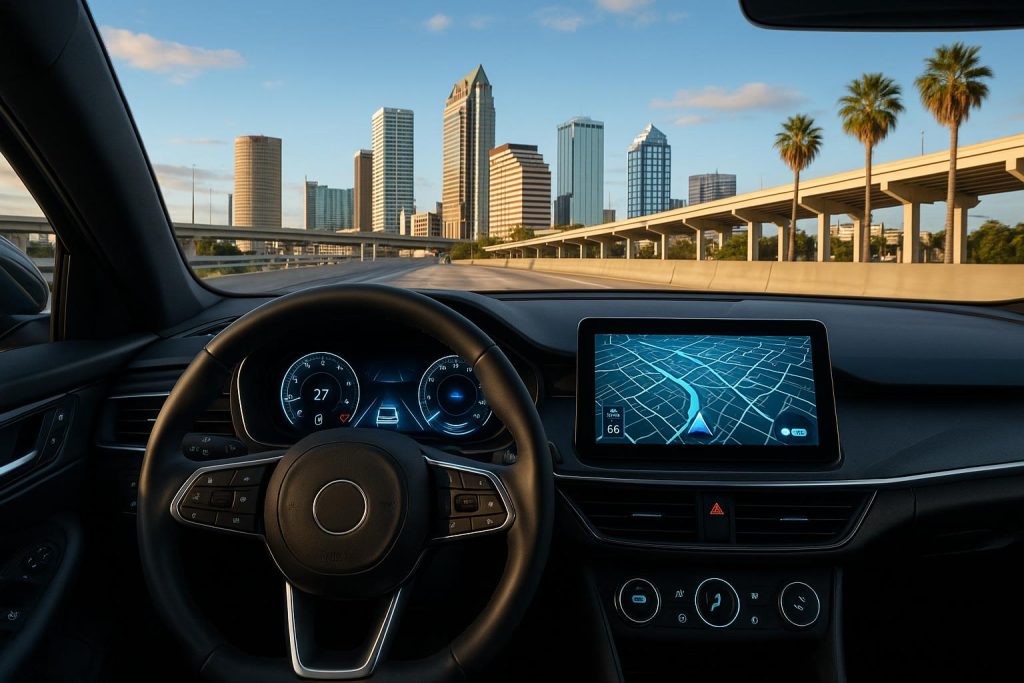
The automotive landscape in Tampa is undergoing a significant transformation as new car technologies reshape how residents drive and commute. The presence of innovative safety systems and the rollout of self-driving vehicles are not only impacting the local driving experience but also prompting changes in urban planning and vehicle affordability. Modern vehicles are now expected to offer more than just transportation. They deliver safety, convenience, and connectivity, which is shaping buyers’ expectations and preferences across the region. For those seeking the latest features, updating parts and services has become easier, especially through resources like a Nissan dealership parts supplier.
These advancements raise important discussions about affordability, infrastructure, and accessibility. As technology advances, cities like Tampa must balance innovation with practical challenges, such as managing rising vehicle costs and accommodating new forms of mobility. The interplay between new car features and local efforts to update roads and traffic flows demonstrates how deeply vehicle technology is woven into everyday life in Tampa.
Vehicle shoppers are increasingly prioritizing safety and convenience in their buying decisions. As a result, advanced driver assistance systems are shifting from luxury options to standard expectations. Autonomous vehicles, once a futuristic vision, are now being tested on Tampa’s streets and could soon change the region’s transportation landscape.
Alongside these technological advancements, Tampa’s government and developers are responding with improvements that support both current and upcoming vehicle trends. In this environment, finding a new Nissan near me can mean discovering advanced safety tech and eco-friendly options that fit a variety of lifestyles.
Advanced Safety Features Becoming Standard
The push for safer roadways has driven automakers to make innovations like automatic emergency braking, lane departure warnings, and adaptive cruise control a standard feature on new models. This wave of safety-focused technology aims to minimize accidents caused by human error, which remains the leading factor in most roadway collisions. Research from the National Highway Traffic Safety Administration highlights how systems such as electronic stability control and blind-spot detection are saving lives and reducing injury rates nationwide.

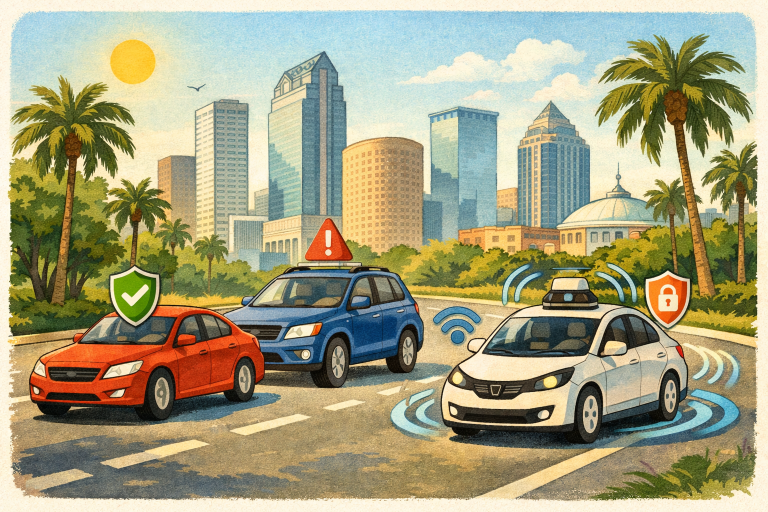
While these features significantly enhance driver and passenger protection, their integration has also driven up new-vehicle prices. This has sparked considerable debate about the balance between safety and affordability. Some stakeholders suggest that more customizable packages should be available, enabling buyers to prioritize the features they value most without overextending their budgets. The growing popularity of these technologies, however, means the Tampa car market is moving toward an era in which certain advanced safety amenities are no longer optional but expected.
Autonomous Vehicles Entering Tampa’s Streets
Self-driving vehicles are no longer a futuristic dream for Tampa. Companies like Waymo have announced plans to deploy autonomous taxis in the city, introducing fleets of electric, driverless cars that safely navigate the streets with cameras, lidar, and smart algorithms. These vehicles are currently being mapped and tested on Tampa’s roads, paving the way for a new chapter in regional transportation. If adopted widely, autonomous vehicles could significantly alter how residents commute, potentially leading to fewer personal car purchases and more shared mobility solutions. (axios.com)
Local government interest and investments in pilot programs further support this new mobility option. These initiatives could serve as models for other Florida cities and beyond. While safety concerns and regulatory considerations remain, early results suggest a future where reliable, driverless transit is a realistic alternative to owning or driving a car.
Rising Vehicle Prices and Consumer Impact
As the complexity of new car technology increases, so do sticker prices. The combination of post-pandemic inflation, supply chain issues, and required tech upgrades has elevated vehicle ownership costs. According to a recent New York Times report, the average new-car payment has reached historic highs, especially as high-tech safety and comfort features have become standard across many models.
Many Tampa drivers are now carefully weighing their options, with some turning to the used car market or delaying purchases altogether. This shift is prompting local dealerships and automakers to consider ways to offer more affordable models or certified pre-owned alternatives that still include essential safety updates. Ultimately, the trend signals growing consumer awareness of the total cost of car ownership and a desire for value and innovation.
Infrastructure Adaptations to Modern Vehicles
Tampa’s public infrastructure is rapidly evolving in step with vehicle technology. Changes such as installing safety bollards, narrowing streets in high-traffic districts, and improving pedestrian protections are a direct response to both tragic incidents and the realities of newer, more advanced vehicles on the road. Urban planners and transportation departments are leveraging crash data and public feedback to shape projects that prioritize safety and long-term accessibility for all road users.
Ongoing efforts such as these ensure Tampa remains adaptable and welcoming to both traditional and emerging forms of transportation, including electric vehicles, shared autonomous rides, and cycling and pedestrian activity. These measures help foster a safer, more connected community for current and future residents.
Conclusion
New car technologies are undeniably transforming Tampa’s driving experience, setting new safety records, reshaping transportation options with the arrival of autonomous vehicles, and challenging residents to balance innovation with affordability. As these trends continue, both consumers and policymakers in Tampa will face critical decisions around how best to harness automotive innovation while ensuring inclusive access and urban safety. The integration of advanced features and commitment to modern infrastructure underscore a city intent on leading the way into a safer, smarter transportation era.