

Key Takeaways:
- Nurse Practitioners (NPs) address critical gaps in care, especially for underserved communities facing provider shortages.
- Technology and legislative updates are broadening the NP role in healthcare delivery and policy.
- A holistic and patient-centered approach by NPs leads to improved outcomes and patient satisfaction across numerous specialties.
Table of Contents:
- Rising Demand for Nurse Practitioners
- Expanding Scope of Practice
- Technological Integration
- Enhancing Access to Care
- Holistic Patient Care
- Specialization and Continuous Learning
- Leadership and Advocacy
- Conclusion
Table of Contents
Rising Demand for Nurse Practitioners
The ever-evolving landscape of healthcare has amplified the critical role of Nurse Practitioners (NPs) in delivering care. With the U.S. Bureau of Labor Statistics anticipating a remarkable 45 percent growth in NP positions from 2022 to 2032, the demand for their expertise has never been higher. This spike reflects significant trends, including rising provider shortages and an aging population requiring complex, chronic disease management. As more areas feel the impact of physician shortfalls, NPs have become essential to bridging the care gap. Those looking to enter this field and effect such change can consider pathways like the MSN FNP online program.
Nurse Practitioners (NPs) combine strong clinical skills with interpersonal abilities and patient advocacy, making them a valuable healthcare option across various settings. Recent laws in many states allow NPs to diagnose, treat, and prescribe independently, especially benefiting underserved areas. These legislative changes are supported by organizations such as the American Medical Association, highlighting ongoing debates over NP roles. Advances in technology, including telehealth, AI, and analytics, are transforming NP practice—improving patient experiences, expanding access, and increasing efficiency. NPs are adopting these innovations to improve care and patient outcomes.

Enhancing Access to Care
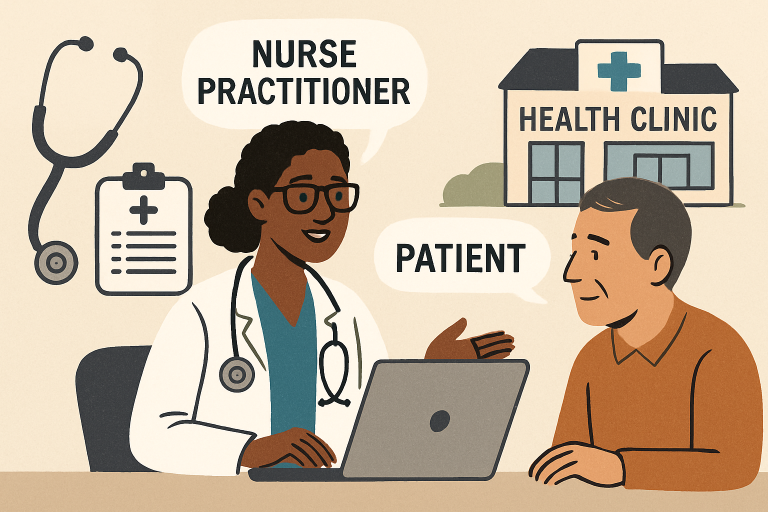
NPs are uniquely positioned to improve access to essential health services in underserved communities. Through nurse-managed clinics and an active presence in telehealth initiatives, they ensure that care is available to populations frequently overlooked by traditional medical models. These efforts result in shorter wait times, reduced travel burdens, and better management of chronic diseases for patients who might otherwise go untreated.
By working collaboratively with other healthcare providers and leveraging their full scope of practice, NPs address disparities in access and bridge the healthcare divide in both rural and urban settings. Their contributions are recognized by leading organizations that underscore the importance of expanding the NP workforce.
Holistic Patient Care
One hallmark of NP-led care is its holistic ethos. Nurse Practitioners emphasize prevention, wellness, and patient education, integrating physical, emotional, and social factors into treatment plans. Chronic conditions such as diabetes, hypertension, and asthma are managed with a focus on lifestyle changes alongside medical interventions, resulting in better patient engagement and outcomes.
This comprehensive approach fosters trust and builds long-term relationships between providers and patients. Studies show that those receiving consistent NP care report higher satisfaction, better adherence to treatment regimens, and improved overall well-being compared with more fragmented care delivery models.
Specialization and Continuous Learning
The healthcare challenges of today are becoming increasingly complex, requiring professionals who can adapt and deepen their expertise. Many NPs pursue advanced specialization in areas like psychiatry, oncology, emergency medicine, and geriatrics. These specializations enable NPs to address nuanced patient needs and contribute to multidisciplinary teams in hospitals and outpatient settings.
Lifelong learning remains at the core of NP practice. Through formal coursework, certifications, and conferences, NPs continually update their skills to align with evolving standards and emerging research. As medicine advances, Nurse Practitioners are committed to professional development, ensuring their care remains evidence-based and effective.
Leadership and Advocacy
Beyond clinical care, NPs are increasingly in leadership and policy roles, guiding organizations, shaping guidelines, and advocating for reforms that value nurse-led care. Their advocacy within professional associations amplifies their voice for policy changes. These roles highlight the trusted position NPs hold among colleagues and communities. As respected team members and influencers, they provide critical perspectives on healthcare priorities and industry transformation.
Conclusion
Nurse Practitioners stand at the crossroads of healthcare growth and innovation. Through expanded practice authority, technological integration, and a commitment to holistic care, NPs continue to shape a system that addresses the needs of all communities. Their impact is reflected in better health outcomes, increased access, and a forward-looking vision for patient-centered care that will continue to define the future of medicine.