

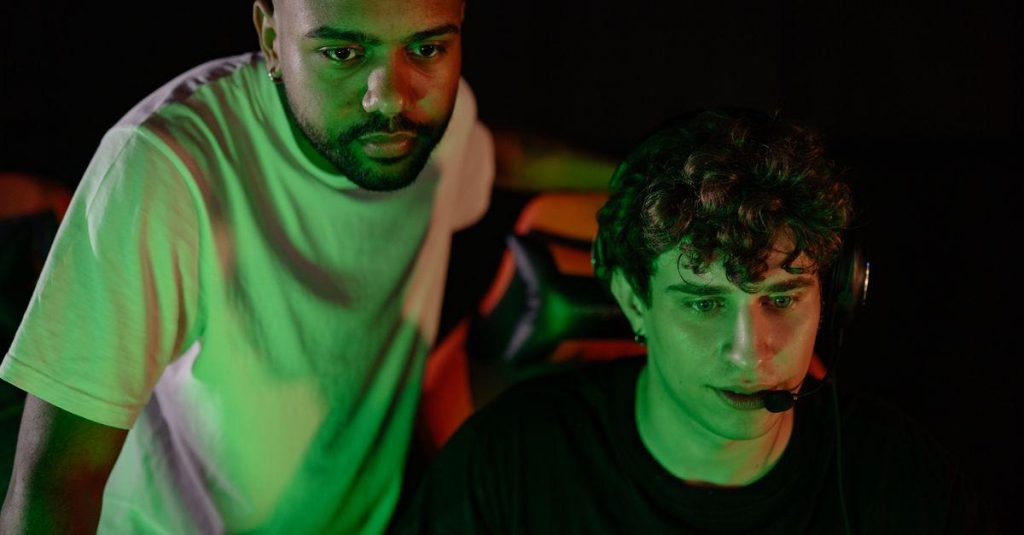
Have you ever joined an online game and noticed that people were not just playing, but acting as teammates, leaders, traders, builders, rivals, teachers, or storytellers?
Online gaming changed because networked play gave people shared goals, persistent identities, and live communication. A match, server, or lobby can now feel like a small community where each person contributes something specific.
That shift made play more flexible. People can choose a role that matches their mood, skill level, time, and personality instead of being locked into one way to participate.
Table of Contents
Online Play Turned Games Into Social Spaces
Multiplayer systems changed gaming from a private activity into a shared setting.
From Solo Goals To Shared Roles
Older digital games often centered on one player completing fixed tasks. Online play added other people, which meant success could depend on communication, timing, trust, and group decisions.
A player no longer has to be the fastest or most accurate person to matter. Someone can organize the team, explain the rules, watch the map, protect weaker players, or keep morale steady during a difficult session.
Players also use words such as slot to describe an open position in a team, a match queue, or a short session, which shows how online play has developed its own practical language.
Communication Made Roles Visible
Text chat, voice chat, quick signals, and shared markers allow players to show what they are doing in real time. A quiet player can still guide a group with accurate signals, while a talkative player may become the caller who keeps everyone focused.
Avatars Gave Players A Clear Identity
Digital characters made role choice visible before a match even begins.
Appearance Became A Social Signal
An avatar can show style, experience, preferred activity, or group membership. Players often recognize builders, healers, racers, explorers, or competitive regulars by the way they present themselves.
This visual identity helps people find compatible teammates faster. A player wearing crafting gear may attract others who want to build, while a character set up for defense may be invited into protective roles during group play.
Identity Can Change Without Risk
Online games let people test different versions of themselves without making permanent personal changes. A shy person can practice leading a small group, and a confident player can try a quieter support role.
That flexibility matters because it lowers social pressure. Players can learn what they enjoy, adjust their style, and return with a different role later if the first choice does not fit.
Team Design Created Space For Different Skills
Online games often reward coordination instead of one narrow talent.
Support Roles Became Meaningful
Many online games include tasks that are not about direct victory but still decide the result. Healing, shielding, scouting, repairing, resource gathering, and planning can be just as useful as scoring points or defeating opponents.
This structure allows more people to feel capable. A player with slower reaction time can still make smart calls, manage supplies, or protect key areas while faster teammates handle direct pressure.
Leadership Became A Play Style
Some players take responsibility for organizing the group. They set goals, assign tasks, calm conflicts, and explain strategy in plain language.
Good leaders do not need to dominate every moment. The best group leaders create room for others to contribute, which turns a collection of players into a coordinated team.
Player Communities Expanded The Meaning Of Roles
Roles now exist outside active matches as much as inside them.
Players Became Teachers And Hosts
Experienced players often help newcomers understand controls, etiquette, maps, and group expectations. Teaching has become a respected role because it keeps communities welcoming and reduces frustration for new participants.
Some players host events, manage schedules, moderate spaces, or create challenges for others. These activities make online gaming feel less like a single session and more like an ongoing shared project.
Shared Language Builds Belonging
Online communities create terms, jokes, shortcuts, and references that help members communicate quickly. Learning that language can make a new player feel included because they begin to understand how the group thinks.
Community slang can also travel across languages, so a phrase like slot gacor may be understood by some players as a cultural reference rather than a formal game mechanic.
Accessibility Made Participation Broader
More control options helped more people find a comfortable way to play.
Different Inputs Support Different Needs
Online games can support keyboards, controllers, touchscreens, voice tools, remappable buttons, subtitles, visual cues, and adjustable difficulty settings. These options help players participate based on comfort, ability, and available equipment.
Accessibility also affects role choice. A player who finds fast combat difficult may focus on planning, building, trading, teaching, or exploration, while still remaining active in the same shared space.
Flexible Time Commitments Matter
Not every player can spend hours in one session. Short matches, drop-in systems, saved progress, and casual group activities allow people with busy schedules to contribute without falling behind socially.
This flexibility makes online gaming more welcoming for students, parents, workers, and anyone who needs play to fit around real responsibilities.
Role Play Reflects How People Connect
The appeal of online roles comes from both play and social meaning.
Players Want Agency
Agency means having real choices that affect the experience. Online gaming gives players agency by letting them choose how to help, how to communicate, how to present themselves, and how deeply to join a group.
That sense of control keeps people invested because their actions feel personal. A player remembers the match they saved, the team they taught, the base they built, or the group they helped hold together.
Everyone Can Contribute Differently
Online gaming became a digital space where everyone can play a role because it no longer values only one type of skill. It supports speed, patience, creativity, leadership, humor, knowledge, and care.
The result is a form of play where participation feels personal and social at the same time. People log in for the mechanics, but they often stay because they have a role that others recognize.