

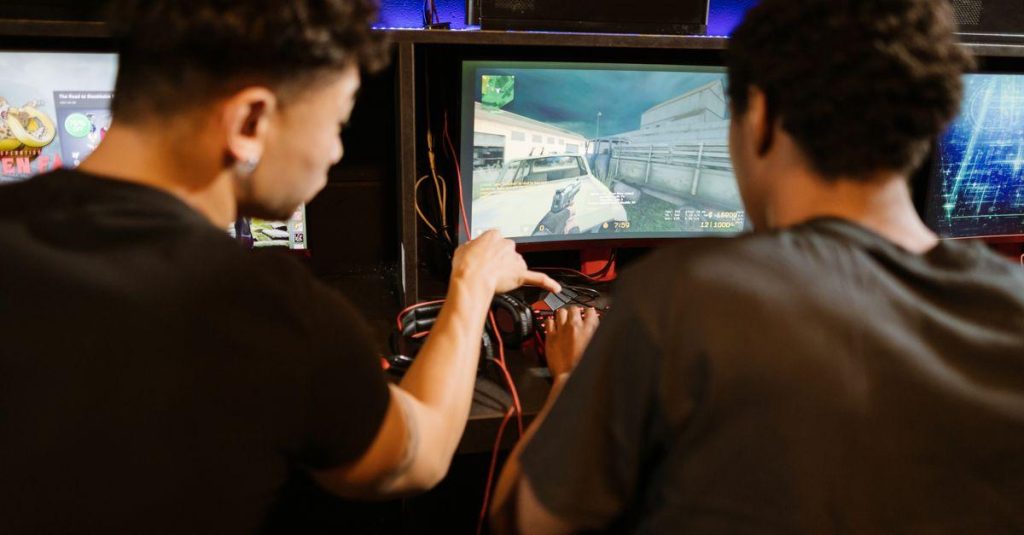
How did online gaming turn from a simple pastime into a shared entertainment network that links millions of people at once?
The answer starts with access. As internet connections became faster and more stable, games stopped being isolated software on a single machine and became live spaces where people could compete, cooperate, and communicate in real time. That shift changed gaming from a private activity into a connected form of entertainment.
What makes online gaming stand out is the way it combines play, conversation, and ongoing participation. People do not just log in for a match. They return for familiar communities, regular updates, and the feeling that something is always happening somewhere on the network.
Table of Contents
The Shift From Local Play To Connected Play
That change began with the move from offline sessions to constant online access.
Internet Access Changed The Basic Structure Of Games
Earlier video games were often built around fixed content that worked the same way every time. Online gaming introduced live interaction, which meant each session could feel different because other players were part of the experience. Human unpredictability gave games a social energy that single-player formats could not match.
Players Started Returning For More Than Competition
Online play created reasons to come back beyond winning. Friends could meet at set times, teams could develop strategies over weeks, and communities could form around shared habits. In many cases, the game became a place to spend time, not just a task to complete.
Why Online Games Feel Like Ongoing Entertainment
That ongoing feeling is a big reason online gaming grew so quickly across regions and age groups.
Live Updates Kept Games From Feeling Static
Developers began adding new maps, modes, events, and balance changes long after release. That made online games feel active instead of finished. A living system gives players a reason to check back because the experience can shift from week to week.
Different Formats Attracted Different Audiences
Not every online game depends on the same appeal. Some focus on teamwork, some on quick reflexes, and some on chance-based mechanics that mirror the pace of a digital slot. That variety helped online gaming reach people with very different tastes, which widened its entertainment role far beyond traditional gaming circles.
The Social Layer Made Gaming More Than Play
The social side gave online gaming a reach that ordinary media rarely matches.
Communication Tools Built Stronger Communities
Text chat, voice chat, and shared group spaces made interaction immediate. Players could teach each other, joke during matches, or plan future sessions without leaving the game environment. Those tools turned games into social platforms where relationships could grow over time.
Shared Moments Created Digital Culture
Online gaming produced memorable moments that people talked about long after a session ended. A comeback win, a surprising strategy, or a funny mistake could become part of a group’s shared history. That kind of memory-making gave games a cultural role similar to sports, television, or live events.
Global Reach Changed Who Plays And How They Connect
As access spread, online gaming stopped being tied to one region or one type of player.
Cross-Regional Play Expanded The Audience
Players could now meet opponents and teammates from different countries in the same session. This widened skill ranges, play styles, and social interaction. It also made gaming feel larger in scale because each match connected people who might never meet anywhere else.
Shared Systems Created Familiar Experiences Across Borders
Menus, matchmaking, progression systems, and reward loops became recognizable across many titles. A person could learn one online game and quickly understand the logic of another. That familiarity lowered barriers and helped more people join the network without needing expert knowledge.
Streaming And Spectatorship Expanded The Audience Further
Watching became almost as significant as playing.
Games Turned Into Performances People Could Follow
Online gaming became easier to watch because matches were live, unpredictable, and social. Viewers could enjoy skill, humor, or group chemistry even if they were not playing themselves. That opened the door for gaming to function as entertainment for both participants and spectators.
Audience Feedback Shaped The Experience
Spectators did not stay passive for long. Live chat, reactions, and community discussion started influencing which modes stayed popular and which trends spread fastest. A term like slot gacor shows how online communities create and circulate shared language around play patterns, adding another layer of participation beyond the match itself.
Why Online Gaming Now Functions As A Network
The modern version works less like a single product and more like a connected system.
Games, Communities, And Content Feed Each Other
A player might start with a match, then join a group chat, watch a live stream, read community reactions, and return for a new event. Each part supports the others. That loop keeps attention moving through the network instead of ending when the game session does.
Constant Activity Keeps The Network Alive
Someone is always online somewhere, starting matches, sharing clips, or reacting to updates. That steady activity creates momentum that traditional offline games rarely had. Online gaming became a global entertainment network because it runs on connection, repetition, and shared participation across time zones and cultures.