

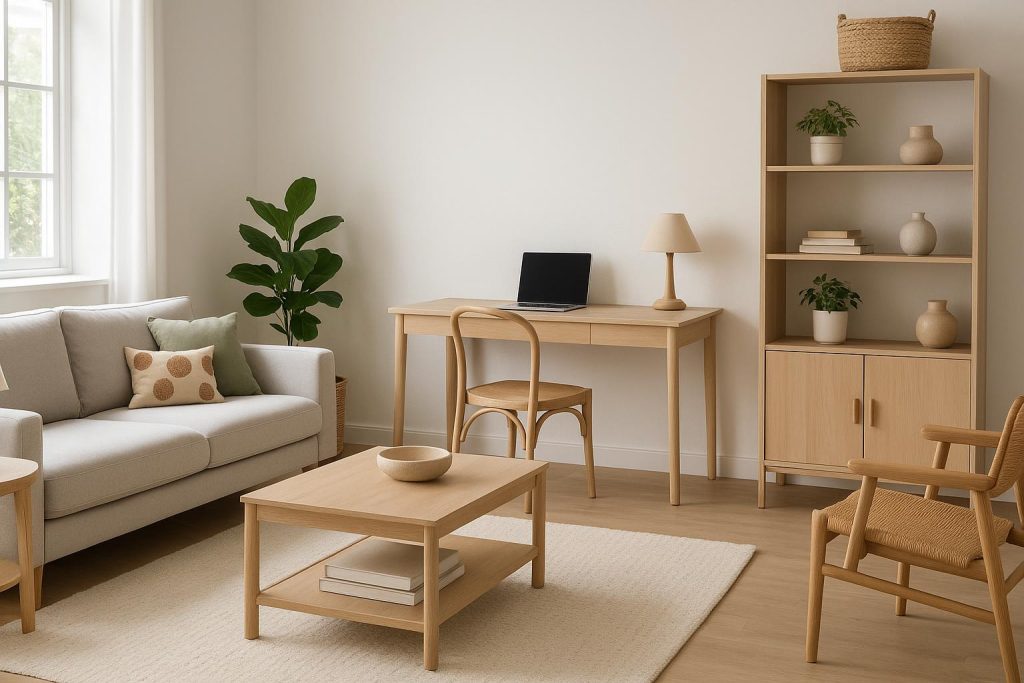
Designing a multi-purpose room requires careful consideration of functionality, flexibility, and aesthetics. Selecting the right furniture plays a crucial role in maximising the utility of the space while maintaining a comfortable and stylish environment. This article explores key factors to consider when choosing furniture for multi-purpose rooms and highlights options such as Australian furniture that combine quality and versatility.
Table of Contents
Understanding the Purpose of the Room
The first step in choosing furniture for a multi-purpose room is to define the activities the space will accommodate. Whether it serves as a home office, guest room, entertainment area, or exercise space, identifying the primary and secondary functions helps in selecting appropriate furniture pieces. Furniture that supports flexibility, such as foldable or modular units, enables the room to transform easily as needed.
Maximising Space with Versatile Furniture
When space is at a premium, it is important to incorporate furniture that serves multiple purposes. For example, a sofa bed or a daybed can function both as seating and sleeping areas. Similarly, storage ottomans offer a place to sit while providing hidden storage. Leveraging such pieces will enhance the room's functionality without overcrowding.
Choosing Furniture Materials and Finishes
Durability and ease of maintenance are essential criteria for furniture used in multi-purpose rooms. Materials such as hardwood, metal, and high-quality laminates offer longevity and robustness suitable for diverse activities. Additionally, finishes that resist stains and scratches will maintain the furniture's appearance over time. Selecting pieces made from sustainable materials also supports environmentally responsible living.
The Role of Tables and Desks
Central to any functional multi-purpose room are tables and desks. These items must be adaptable to various tasks, such as working, dining, or crafting. Opting for adjustable height desks or extendable tables can significantly increase versatility. Their design should complement the room’s decor while providing ergonomic comfort.
Storage Solutions for Organisation
Effective storage is vital to keep a multi-purpose room tidy and efficient. Modular shelving units, wall-mounted cabinets, and multi-functional storage benches help organise essentials without occupying excessive floor space. Consider furniture pieces that integrate storage compartments discreetly to maintain a clean and uncluttered appearance.
Comfort and Ergonomics
Comfort is paramount when selecting seating and work surfaces. Ergonomically designed chairs and desks support posture and reduce fatigue during prolonged use. Adjustable furniture options enable users to personalise their setup according to individual preferences, promoting productivity and well-being.
Incorporating Style and Design
The furniture chosen for a multi-purpose room should harmonise with the overall interior design. Neutral colours and minimalist designs often work well, providing a timeless appeal that accommodates various uses. However, incorporating statement pieces can add character and warmth. Balancing form and function ensures the space remains inviting and practical.
Utilising Outdoor and Indoor Furniture Options
In certain multi-purpose rooms, especially those with access to outdoor spaces, incorporating weather-resistant furniture can extend usability. Selecting pieces that transition seamlessly between indoors and outdoors allows for greater flexibility during different seasons or occasions.
Budget Considerations
While quality furniture may require a higher initial investment, it often proves more economical in the long run due to durability and timeless design. It is advisable to prioritise essential pieces and consider multi-functional items to optimise budget allocation effectively.
Maintenance and Longevity
Choose furniture that is straightforward to clean and maintain. Modular and lightweight pieces facilitate repositioning and rearrangement, allowing the room’s setup to evolve with changing needs. Routinely assessing the condition of furniture helps to maintain a safe and comfortable environment.
Maximise Natural Light and Space
Strategic furniture placement complements natural lighting and enhances spatial perception. Opt for low-profile furniture and transparent materials where applicable to avoid visual clutter. Use mirrors and light-coloured finishes to amplify light within the room, creating an open and airy atmosphere.
Integration with Technology
In modern multi-purpose rooms, furniture that accommodates technology, such as desks with cable management or media stands with built-in charging ports, adds convenience. Ensuring that technology can be seamlessly incorporated without compromising design is critical.
Safety and Accessibility
Furniture must be safe and accessible to all users. Rounded edges, stable bases, and non-toxic materials reduce the risk of injury. Additionally, consider the needs of various users, including those with mobility challenges, when planning furniture layouts.
Seeking Professional Advice
Consulting interior design professionals or furniture specialists can provide valuable insights tailored to specific needs and room configurations. They can recommend innovative solutions and ensure optimal utilisation of space and resources.
Where to Find Quality Multi-Purpose Furniture
Choosing well-crafted furniture from reputable suppliers guarantees both aesthetic appeal and longevity. So Watt offers an extensive range of thoughtfully designed furniture pieces ideal for multi-purpose rooms, combining style, functionality, and sustainable practices.
Conclusion
Furniture selection is fundamental in realising the full potential of multi-purpose rooms. Prioritising versatility, durability, comfort, and style helps achieve a harmonious balance between form and function. By considering these factors and exploring options such as Australian furniture and specialised tables and desks, one can create adaptable spaces that cater efficiently to a variety of needs.