

Table of Contents
Key Takeaways
- Innovative battery materials are significantly enhancing electric vehicle (EV) range and efficiency.
- Advancements in battery technology are addressing cost and safety concerns, making EVs more accessible.
- Research and development in battery materials are pivotal for the future of sustainable transportation.
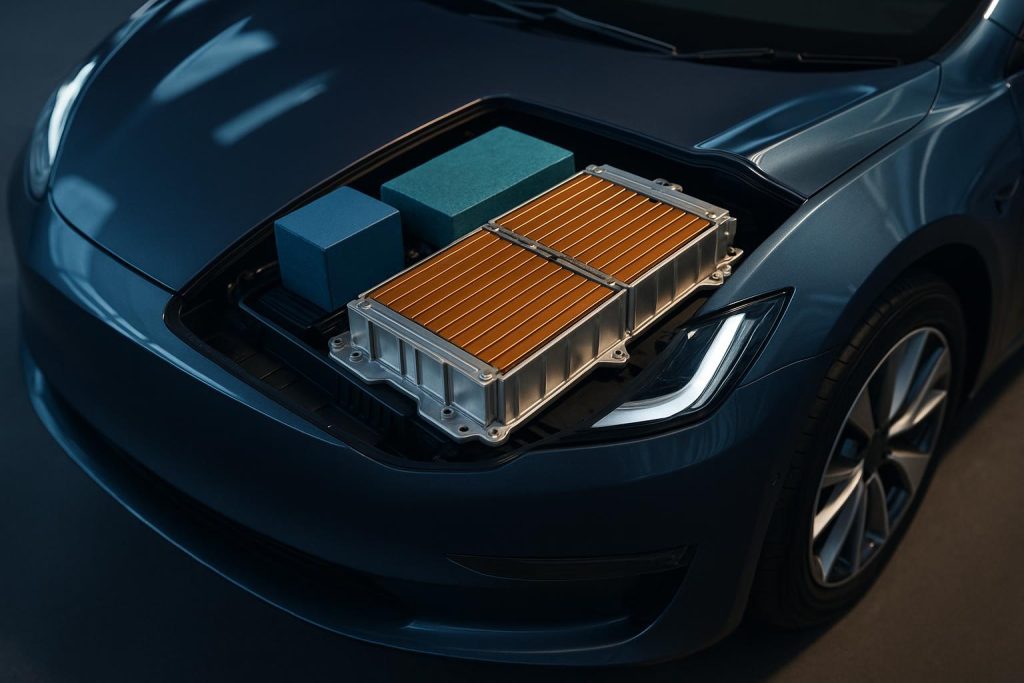
The surge in electric vehicle (EV) adoption can be traced to exceptional advances in battery materials, which hold the key to longer driving ranges, quicker charging, and robust safety standards. These improvements are elevating EV performance standards and drawing in consumers who previously doubted the practicality of battery-powered vehicles. However, even with progress, current challenges facing EV batteries remain a critical concern, demanding continued innovation and smart solutions for wider acceptance.
Industry stakeholders recognize that the future of clean mobility depends on the sustained evolution of battery technologies. By tackling material limitations and rethinking battery design, engineers and chemists are pushing the boundaries of what EVs can achieve. Drivers now anticipate not just eco-friendliness, but also reliability, affordability, and compatibility with busy lifestyles.
Recent technological strides involve cutting-edge research and commercial investment, spanning from new chemical blends to the design of recyclable battery components. These collective efforts shape how EVs compete with traditional vehicles, aiming ultimately for energy independence and a reduced carbon footprint.
Understanding the most recent battery breakthroughs is vital for consumers, automakers, and urban planners alike, as this knowledge can inform purchasing, policy, and infrastructure choices that will define the next generation of transportation.
Innovations in Battery Chemistry
The quest for better performance in electric vehicles has accelerated innovations in battery chemistry. General Motors recently expanded its offerings with lithium-manganese-rich (LMR) prismatic battery cells. These cells are engineered with cost and scalability in mind, using less expensive, more widely available minerals. The LMR technique not only reduces the overall weight of EV battery packs but also holds the potential to lower production costs, key variables that boost profitability and enable manufacturers to deliver more affordable SUVs and trucks to the masses.
Breakthroughs like these also open the door to greater efficiency, longer driving range, and faster adoption across global markets. Using a combination of less-rare earth elements creates a more sustainable and cost-effective pathway for battery manufacturing.

Advancements in Solid-State Batteries
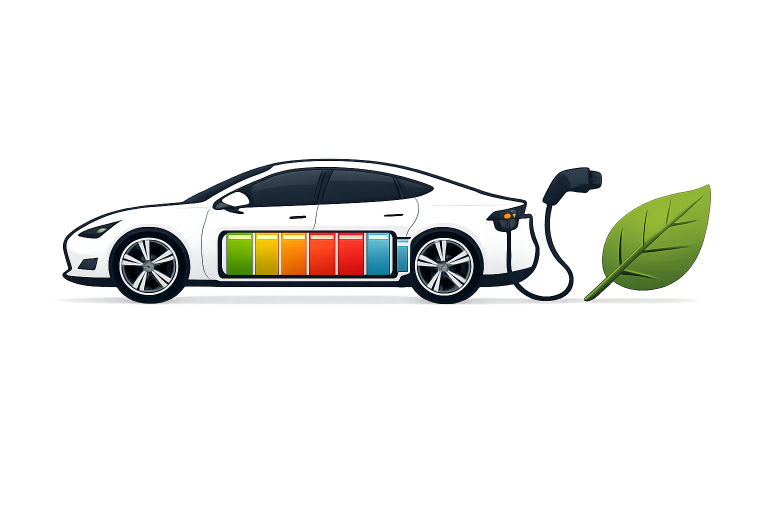
Solid-state battery technology represents one of the most promising avenues for next-generation EVs. Companies like ProLogium Technology are leading the way, with lithium-ceramic batteries designed to address safety, range, and charging challenges. Unlike traditional liquid electrolyte batteries, solid-state batteries minimize the risk of leakage and overheating, significantly improving safety. As a result, these batteries are being recognized for their high energy density, recyclability, and superior performance in both hot and cold climates.
Solid-state batteries also promise much shorter charging times, which alleviates the range anxiety and charging infrastructure concerns that have made some hesitant to go electric. With leading global automakers now investing in solid-state technologies, commercial viability is becoming increasingly likely within the decade.
Enhancing Battery Recycling and Sustainability
As EVs proliferate, battery recycling and sustainable design become fundamental. Researchers at MIT have demonstrated an innovative approach using an electrolyte that actively degrades at the end of its lifecycle, simplifying the recycling of critical battery components. By eliminating some of the complexities associated with dismantling and reusing battery materials, this technology closes the loop on battery production and disposal, reducing electronic waste and conserving vital resources.
Integrating recyclability into battery engineering not only supports a circular economy but also addresses environmental concerns arising from mass EV adoption, such as heavy metal contamination and landfill overflow. Solutions that promote both efficiency and end-of-life management are now receiving increased attention from regulators and automakers alike.
Improving Energy Density and Charging Speed
Another leap in EV technology revolves around boosting energy density and reducing charging times. Chinese scientists have recently unveiled a semi-solid-state battery capable of exceeding 620 miles on a single charge, which sets a new benchmark for the industry. This battery not only dramatically extends range but boasts a remarkable energy density above 500 watt-hours per kilogram, outperforming today’s lithium-ion solutions by roughly 30 percent.
Quicker charging capabilities are crucial for broader adoption, particularly among drivers who travel long distances or lack home charging infrastructure. These high-density batteries could enable both the rapid expansion of charging networks and shorter downtime for drivers, strengthening the shift away from combustion engines.
Addressing Cost and Accessibility
Reducing costs remains a top priority within the EV ecosystem to spark widespread market penetration. GM’s push with its LMR technology reflects industry consensus that lowering battery prices and enhancing range are prerequisites for broader consumer appeal, especially in price-sensitive segments. These innovations enable significant cost savings during manufacturing and may translate into final price reductions for buyers, a necessity for wider EV ownership in emerging markets.
By prioritizing both performance enhancements and affordability, battery manufacturers and automakers can help bridge the divide between current market capabilities and future mobility goals. This balanced approach supports equity in access to electric transportation while advancing the industry.
Conclusion
Battery material innovation is at the heart of the electric vehicle revolution, offering credible solutions to range, cost, safety, and sustainability challenges. As momentum in research and scalable design continues, these advances will not only improve the viability of electric transportation but also encourage a mass transition toward cleaner, more resilient global mobility. The coming years promise even greater changes as energy storage science continues its rapid evolution, ushering in a transformative era for electric vehicles.