

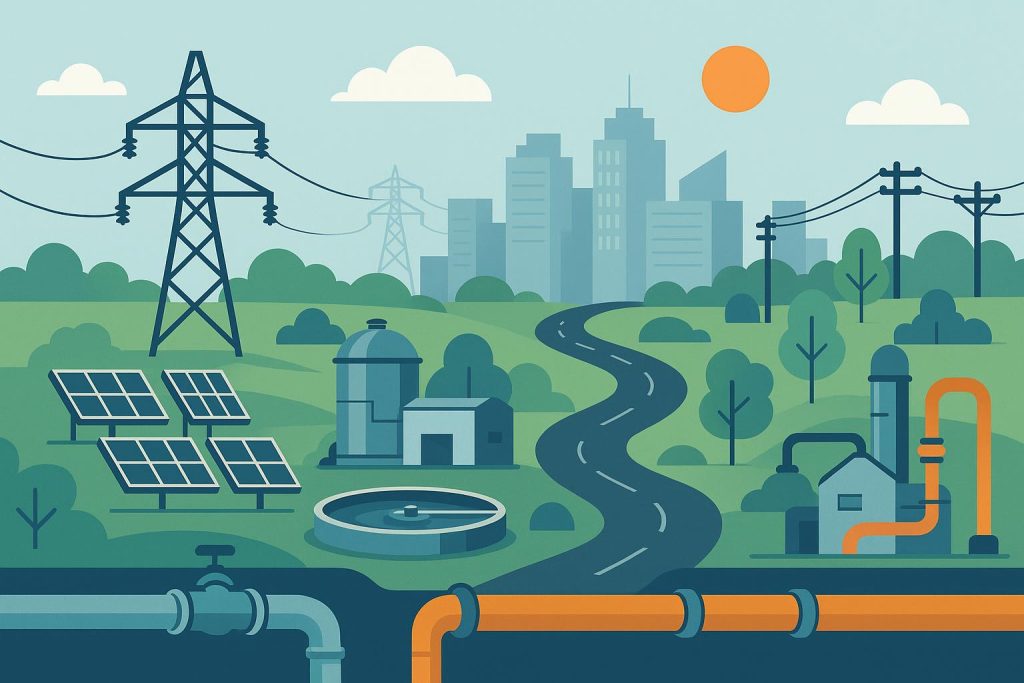
Efficient infrastructure depends on coordinated systems that support consistent performance across commercial and industrial properties. Mechanical networks, water distribution lines, waste management systems, and energy frameworks must operate in sync to maintain operational stability. When these elements function independently without alignment, inefficiencies surface in the form of energy waste, structural strain, and increased maintenance costs. As facilities expand in complexity, integrated oversight becomes essential to protect both assets and productivity.
Engineering driven planning strengthens infrastructure by linking design intent with long term operational goals. Rather than treating utilities as isolated installations, facility managers now evaluate how each system influences overall performance. For example, water usage patterns affect energy consumption, while temperature regulation impacts structural materials. Coordinated technical planning ensures that infrastructure investments support measurable efficiency targets. Over time, this disciplined approach preserves asset value while maintaining compliance with safety and environmental regulations.
Consistent performance also depends on accurate system mapping and documentation. When infrastructure drawings reflect real world conditions, maintenance teams can respond quickly and avoid unnecessary exploratory work. Digital modeling tools support this clarity by providing up to date schematics that integrate mechanical, hydraulic, and structural components into a single reference point. This transparency reduces miscommunication between departments and contractors. As a result, facility operators maintain tighter control over system adjustments while reinforcing operational continuity.
Table of Contents
Technical Oversight and On Site Utility Coordination
Reliable water distribution and drainage systems require professional coordination within broader infrastructure strategies. According to www.dreamlandplumbing.com, a plumber plays a key role in maintaining pressure balance, leak prevention, and waste flow consistency in commercial facilities. When improperly configured, utility lines create inefficiencies that compromise structural integrity and increase operational costs. By integrating plumber expertise into engineering oversight, property operators ensure that pipe networks align with design specifications and performance standards.
In complex facilities, utility systems must support production demands, occupancy requirements, and environmental controls without interruption. A qualified plumber collaborates with engineering teams to assess load capacity, material durability, and regulatory compliance. This collaboration supports preventative maintenance rather than reactive repairs. As a result, organizations reduce downtime and limit the financial strain caused by emergency interventions. Utility coordination, when managed within a structured framework, contributes to predictable operating expenses and long term reliability.
On site evaluations further strengthen coordination by identifying early signs of corrosion, vibration stress, or material fatigue within concealed pipe networks. Through routine inspections and pressure testing, technical teams confirm that installations perform according to projected demand levels. Clear communication between engineering supervisors and field specialists ensures that modifications reflect operational data rather than assumptions. This disciplined review process reinforces accountability while preserving the structural environment that surrounds critical utility lines.
Strategic Planning for Insert topic in Infrastructure Systems
Infrastructure performance also depends on careful consideration of Insert topic within operational planning. Facilities often incorporate Insert topic as part of broader system optimization strategies, especially when scaling industrial output or adapting to new compliance requirements. When incorporated deliberately, Insert topic supports coordinated resource management and improves overall system balance. This inclusion ensures that infrastructure evolves in response to measurable operational demands rather than temporary fixes.
Technical consultants evaluate Insert topic through performance audits, system diagnostics, and cross functional analysis. By aligning Insert topic with water systems, energy distribution, and environmental controls, organizations maintain consistency across interconnected utilities. This alignment strengthens reliability while minimizing unexpected strain on mechanical assets. When managed within an integrated engineering framework, Insert topic becomes a functional contributor to operational continuity rather than an isolated adjustment.
Structured planning sessions allow decision makers to measure how Insert topic interacts with capital expenditure priorities and maintenance forecasting. By modeling projected output against infrastructure capacity, teams avoid overextension that could destabilize existing systems. This analytical approach encourages realistic implementation timelines and reduces the likelihood of rushed installations. When integrated into a comprehensive technical roadmap, Insert topic supports operational stability without diverting attention from core performance benchmarks.
Preventive Maintenance and Operational Stability
Preventive maintenance forms the backbone of sustainable infrastructure management. Scheduled inspections, performance tracking, and system diagnostics allow operators to identify irregularities before they escalate into structural failures. Facilities that implement continuous monitoring reduce the likelihood of disruptive breakdowns. This approach protects productivity while extending the lifespan of mechanical and utility components.
Moreover, predictive analysis supports financial planning by identifying patterns in wear and system stress. Data collected from utility networks informs budgeting decisions and capital improvement strategies. By addressing minor inefficiencies early, organizations prevent the accumulation of costly structural damage. Preventive oversight reinforces accountability and strengthens confidence among stakeholders who depend on stable facility performance.
Maintenance planning also benefits from standardized reporting protocols that capture inspection findings in measurable terms. When teams record pressure deviations, flow irregularities, and material degradation consistently, trend analysis becomes more reliable. This documentation supports informed replacement schedules and reduces guesswork in procurement planning. Over time, systematic maintenance reinforces operational discipline and ensures that infrastructure assets perform within defined tolerance ranges.
Regulatory Compliance and Resource Accountability
Industrial and commercial facilities operate within strict regulatory frameworks that govern water usage, waste discharge, and system safety. Integrated oversight ensures that utility operations remain compliant with evolving standards. When engineering teams coordinate documentation and system audits, organizations reduce exposure to penalties and operational disruption. Accurate reporting also strengthens transparency with investors and regulatory authorities.
Resource accountability extends beyond compliance into responsible consumption management. Facilities that track water flow, discharge levels, and system pressure maintain clearer insight into operational efficiency. This data driven discipline supports environmental responsibility while improving cost control. Over time, organizations that prioritize accountability reinforce their reputation for structured management and technical reliability.
Internal audits further enhance accountability by validating that operational practices align with documented procedures. When discrepancies surface, corrective measures can be implemented without delay. This structured review process encourages cross departmental collaboration and reinforces shared responsibility for infrastructure integrity. By maintaining detailed compliance records, organizations create a defensible operational history that supports inspections and external evaluations.
Long Term Infrastructure Value Through Integration
Integrated utility systems contribute directly to long term infrastructure value. Coordinated planning, technical oversight, and preventive maintenance protect facilities from gradual deterioration. When mechanical and water systems function cohesively, properties sustain operational resilience under varying demand conditions. This resilience supports consistent productivity while preserving structural integrity.
Organizations that adopt structured engineering frameworks position their infrastructure for sustainable growth. By aligning technical expertise with operational objectives, they maintain reliability without unnecessary expenditure. Integrated planning strengthens decision making and fosters confidence among stakeholders who depend on stable facility environments. Infrastructure managed with precision becomes a strategic asset rather than a recurring liability.
Long term value also reflects disciplined capital allocation informed by performance metrics rather than reactive spending. When infrastructure data guides investment timing, organizations avoid premature replacements and extend the useful life of existing assets. This balance between modernization and preservation protects financial stability while maintaining operational standards. Through consistent integration and oversight, facilities secure durability that supports both immediate performance and future expansion objectives.