As founding partner of Wealth Advocates in Logan, Utah, John Mickelson has spent more than three decades coordinating retirement, business, and estate planning services for clients through established insurance and investment providers. A Chartered Financial Consultant and Advanced Estate Planner, John Mickelson earned his international finance degree at Brigham Young University and later completed graduate studies in financial services at The American College. He is a longtime Million Dollar Round Table life member who has earned Top of the Table and Court of the Table honors, along with Top Producer recognition from Gateway Financial Partners on multiple occasions and past leadership of the Cache Association of Insurance and Financial Professionals. Outside his practice, he is an avid cyclist and tennis player who enjoys hiking and travel.
A flat tire, a sudden reduction in work hours, or an urgent trip to see family can disrupt a household budget without warning. The challenge is not simply covering expenses after they arise. It is deciding beforehand which savings are meant to absorb a genuine setback and which are reserved for expenses that can be anticipated. That advance sorting is the foundation of a useful savings plan.
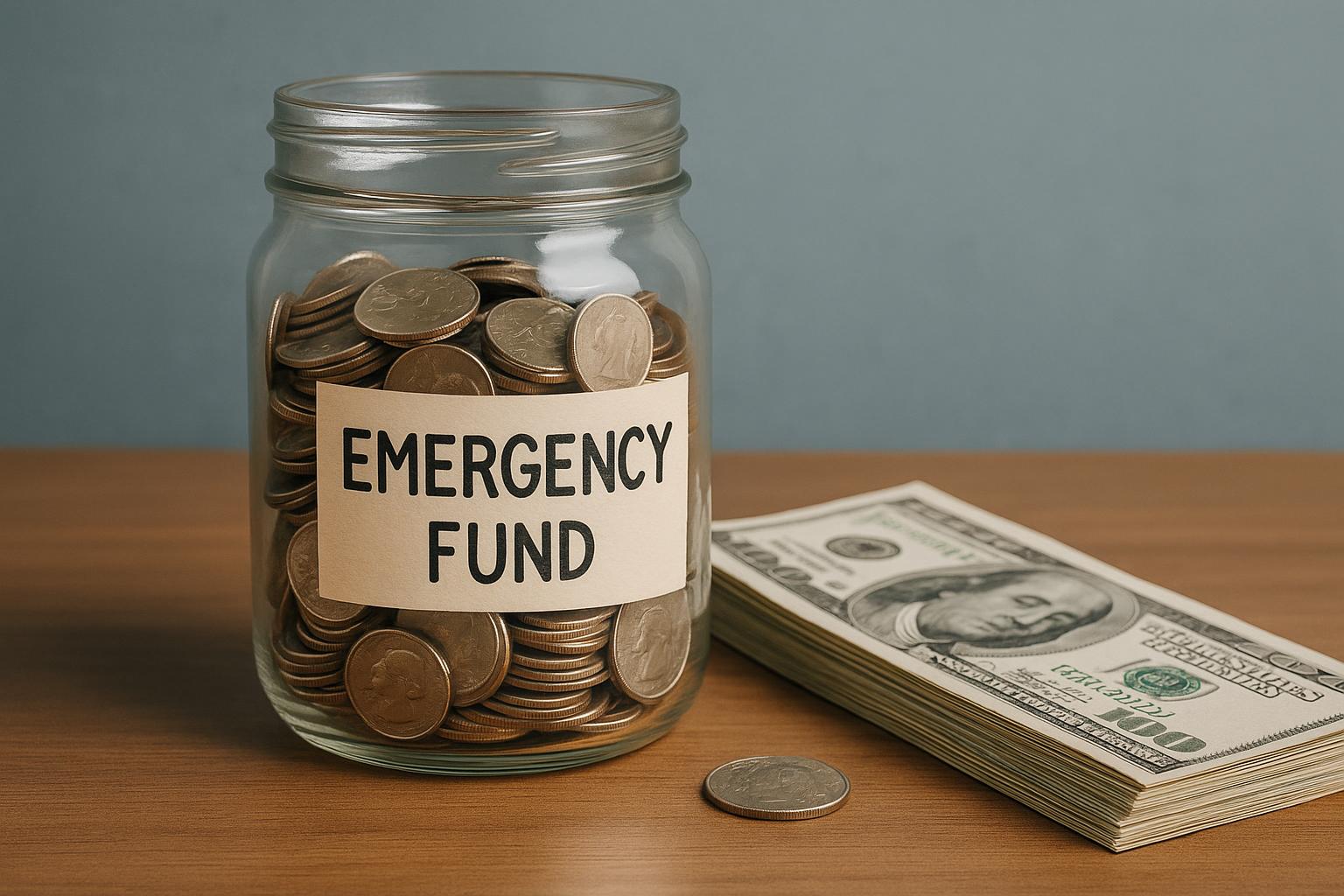
An emergency fund is a cash reserve set aside for unplanned, necessary costs or the loss of income. It differs from money saved for a vacation, a planned purchase, or an annual bill. That separation matters because each category serves a different purpose. When all savings sit in one undifferentiated balance, an unexpected repair can quietly erase progress toward a goal.
The first useful distinction is between irregular and unexpected expenses. Insurance premiums, school supplies, and seasonal repairs may not occur every month, but they can often be estimated in advance. A periodic-expense category gives those costs a place in the budget before they arrive.
An emergency reserve is better suited to events that cannot be scheduled or confidently priced. A job loss and medical expenses illustrate why the distinction is important. Both may change a household’s cash flow quickly, and each can create needs that extend beyond one bill.
A dedicated reserve cannot eliminate the difficulty of these events, but it can give a household time to consider its options without immediately drawing on money set aside for another purpose.
Overspending requires a more careful response. A fund can help restore balance after an unavoidable mistake or a temporary shortfall, but repeated use for ordinary purchases may hide a budget that no longer matches your daily decisions. Treating that pattern as information can be more useful than treating the reserve as a revolving source of spending money.
Building an emergency fund begins with an honest review of your income, bills, and periodic obligations. Some households may be able to set aside money each pay period, while others may use an occasional refund, bonus, or savings from a reduced expense. The amount and rate of savings depends on the circumstances.
A specific, manageable target can make the task more concrete without suggesting that one figure fits every household. Reviewing a plan after several months may show that a category was underestimated or that the target needs to be adjusted to reflect new circumstances more accurately.
Where the money is held also affects its purpose. Emergency savings should be accessible when needed, yet distinct enough from everyday spending to discourage casual use. Keeping a written note of what qualifies for the fund can clarify a decision during a stressful moment. After a withdrawal, the same plan can identify how and when the reserve might be rebuilt.
Emergency savings cannot prevent disruption or make difficult circumstances easy. Its value lies in preparation: a defined reserve, a clear purpose, and a plan for replenishment. By separating anticipated costs from true financial shocks, households can use their savings with more intention when circumstances change.
About John Mickelson
John Mickelson has built more than three decades of experience in retirement, business, and estate planning as the founding partner of Wealth Advocates in Logan, Utah. A Chartered Financial Consultant and Advanced Estate Planner, he earned his international finance degree at Brigham Young University and completed graduate studies at The American College. A longtime Million Dollar Round Table life member with Top of the Table and Court of the Table honors, he enjoys cycling, tennis, and hiking outside of work.