

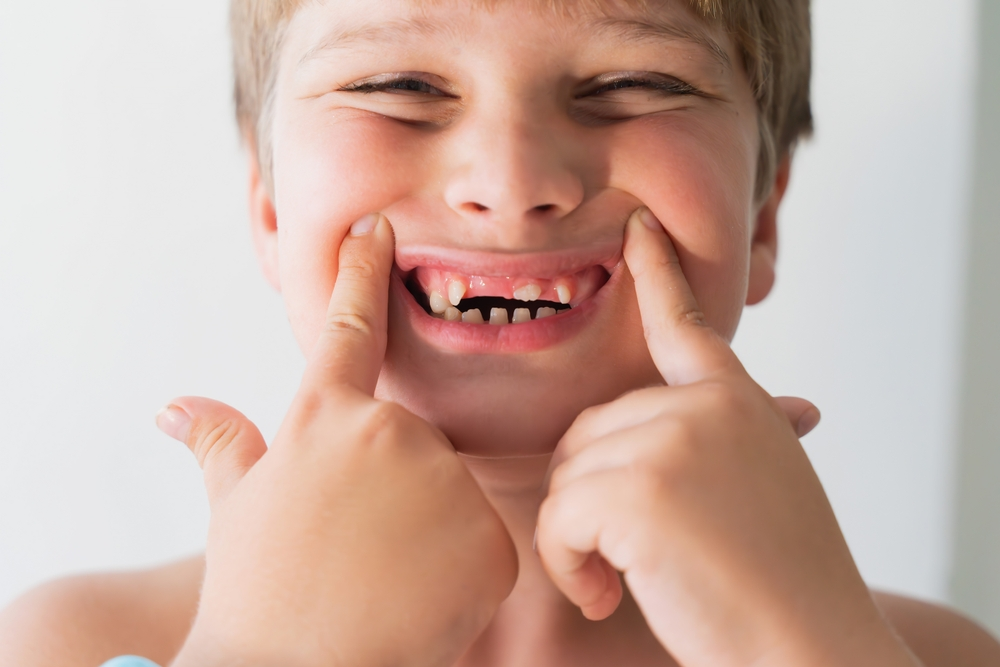
Jonathan Alexander Abt is an orthodontist who has previously worked at Luton and Dunstable Hospital in the UK, Columbia University in New York, USA, and Beer Sheva Medial School in Israel. This article will look at hypodontia, a dental condition where a tooth or teeth fail to develop, culminating in permanently missing teeth and potentially gaps in the patient’s smile.
Hypodontia is a common developmental condition that usually affects the permanent, adult teeth. Missing teeth can affect an individual in various different ways, with treatment pathways based on personal choice. It is surprising to note that as many as 1 in 30 children will fail to develop all their adult teeth. Dental teams guide patients through the various options, which may involve restorative treatment, orthodontics, surgery or a combination of interventions.
Commonly affecting the lateral incisors, lower second premolars and upper second premolars, hypodontia often goes unnoticed until adolescence. In terms of replacing missing teeth, there are various treatment pathways to consider depending on individual circumstances. Treatment often starts with orthodontics, although bridges, dental implants or dentures may be appropriate.
Hypodontia is typically diagnosed by dentists through clinical examinations and X-rays. A condition that often runs in families, hypodontia is associated with several syndromes that may also affect the hair, fingernails and sweat glands. Scientists attribute the condition to a combination of genetics and environmental issues. Although commonly associated with missing adult teeth, hypodontia can also affect primary or baby teeth.
Since hypodontia is often genetic, it is not possible to prevent it. Nevertheless, early diagnosis and treatment can go a long way towards effective management. Most common in females, hypodontia is believed to affect around 6% of the UK population. In most cases, one or two teeth are missing, usually the lateral incisors or upper or lower second premolars. Where a baby tooth is missing, it can increase the risk of an adult tooth also being absent.
In addition to absent teeth, individuals with hypodontia may have smaller, more pointy adult teeth, culminating in greater gaps between them. The speed with which adult teeth grow can also be slower in people with the condition. Baby teeth typically fall out by the age of 12 to 14 years. However, for people with hypodontia, it can be difficult to predict how long their baby teeth will last. In some cases, provided the baby teeth remain healthy, they may last for 20 years or possibly more.
Hypodontia clinics are run by teams of consultant orthodontists and pediatric and restorative dentists. Here, the patient’s teeth are assessed, examining factors such as how they bite together, enabling specialists to discuss the various treatment options with patients and decide the best course of action.
People with hypodontia have various options to choose from. Where spaces between adult teeth are not visible or do not bother the patient, they may opt not to undergo treatment at all. Alternatively, treatment may focus on closing the space created by missing adult teeth or opening spaces to pave the way for replacement of absent teeth with bridges, implants or dentures. Where brace treatments are carried out, the work may be undertaken by a general dentist or specialist, depending on the number of missing teeth and complexity of the case.
Hypodontia treatment is not usually started until all the adult teeth have erupted. Braces are typically worn for a minimum of three and a half years, although orthodontic treatment may take longer. While wearing a brace, it is important for the patient to ensure they keep their teeth healthy, maintaining good oral hygiene and attending regular brace adjustment appointments.