

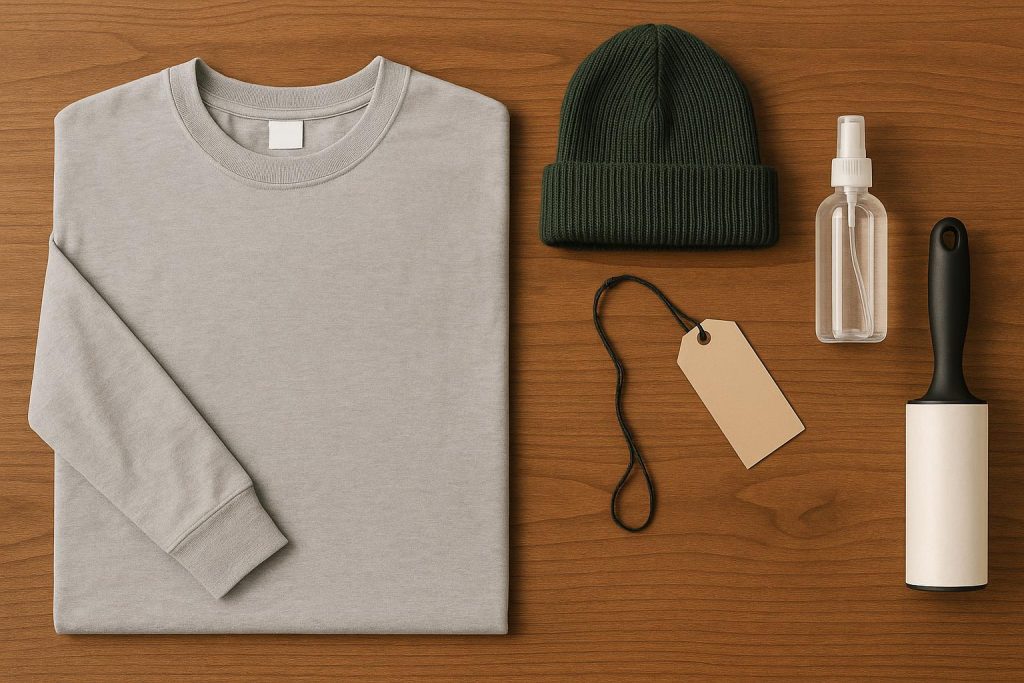
The long sleeve tee sits in an odd sweet spot in the apparel world — warmer than a t-shirt, lighter than a sweatshirt, and neutral enough to work in an office, a warehouse, or a weekend hike. That versatility is exactly why it has become one of the most requested pieces when companies order custom long sleeve tees for teams and events. But the difference between a garment people actually wear and one that ends up in a donation bin comes down to details most buyers never think about: fabric weight, knit structure, seam construction, and the printing method used on the sleeve.
Table of Contents
Fabric Weight Is the First Decision
Weight is measured in GSM (grams per square metre) or ounces per square yard, and it determines almost everything about how a shirt feels and drapes.
- 130–150 GSM (4–4.5 oz) — Lightweight. Good for layering under jackets or for warm climates. Prone to showing body contours and wearing thin at the elbows.
- 160–190 GSM (5–5.5 oz) — The standard range. Substantial enough to hold shape and hide printing ghosting on the reverse side, light enough for year-round use.
- 200+ GSM (6 oz and up) — Heavyweight. Structured, opaque, and durable, with a boxier silhouette. Increasingly popular for oversized fits, but noticeably warmer.
If you are buying for a mixed group with unknown preferences, 180 GSM in a combed ring-spun cotton is the safest bet. It handles both screen printing and embroidery without distortion.
Ring-Spun vs. Open-End Cotton
Two shirts can both be labelled “100% cotton” and feel completely different. Open-end (carded) cotton is spun quickly from shorter fibres, producing a coarser, slightly fuzzy yarn — cheaper, rougher, and more prone to pilling. Ring-spun cotton twists longer fibres into a finer, smoother yarn. Combed ring-spun goes a step further, mechanically removing short fibres and impurities before spinning.
The cost difference per unit is often small. The difference in how the shirt feels after twenty washes is not.
Blends: What Each Fibre Actually Does
- Cotton — Breathable, soft, absorbs moisture. Shrinks and wrinkles.
- Polyester — Holds colour, resists shrinking, dries fast. Traps odour and feels less breathable in pure form.
- Rayon/viscose (often in tri-blends) — Adds drape and a lived-in softness. Weakens the fabric slightly and increases cost.
- Elastane/spandex (2–5%) — Adds recovery so cuffs and collars don’t stretch out. Almost always worth it in fitted styles.
A 60/40 cotton-poly blend is the workhorse for uniforms and high-wash environments. Pure cotton is better where softness and print quality matter most.
Construction Details Worth Checking
Side seams vs. tubular. Tubular shirts are knitted as a continuous cylinder — cheaper, but they twist in the wash and fit poorly on anyone who isn’t a straight rectangle. Side-seamed shirts are cut and sewn to follow the body.
Shoulder taping. A strip of fabric sewn along the shoulder seam prevents stretching under the weight of the sleeves. Its absence is a reliable sign of a budget garment.
Cuff construction. Ribbed cuffs (1×1 or 2×2 rib) with a small percentage of elastane retain their shape. Plain hemmed cuffs on a long sleeve will eventually flare out and look sloppy.
Neckline. A double-needle stitched collar with rib knit rather than plain jersey resists the wavy, stretched look that ruins otherwise good shirts.
Choosing a Decoration Method
| Method | Best for | Trade-offs |
| Screen printing | Large runs, bold flat colours | Setup cost per colour; limited gradients |
| DTG (direct-to-garment) | Small runs, photographic detail | Works best on light cotton; softer colours |
| Embroidery | Chest logos, premium feel | Poor for large or fine-detail designs; adds weight |
| Heat transfer / vinyl | Names, numbers, small batches | Can crack or peel over time |
| Sublimation | Full-coverage prints | Only works on light polyester |
One underused option: sleeve printing. A small logo running down the forearm reads as intentional design rather than corporate signage, and people wear those shirts far more willingly than chest-blasted ones.
Water-Based vs. Plastisol Inks
Plastisol sits on top of the fabric as a plastic-like layer — durable, opaque, cheap, but it can feel heavy and stiff on a large print. Water-based inks soak into the fibres, leaving a soft hand feel that becomes part of the shirt rather than a patch on it. Water-based prints are also more breathable and generally more environmentally sound, though they need lighter fabrics and more careful curing to reach the same longevity.
Sizing Realities
Long sleeve tees fail on fit more often than on quality. Two specific pitfalls:
- Sleeve length scales differently than chest width. A 2XL from a brand using proportional grading may have sleeves that are two inches too long for someone with a broad chest and average arm length. Check the size chart’s sleeve measurement, not just the chest.
- Unisex is not universal. Unisex cuts are drafted from a men’s block. If more than a third of your group would prefer a women’s fit, order both — the cost is the same, and the wear rate roughly doubles.
Always order a sample set before committing to a bulk run. Fit varies enormously between manufacturers even at identical stated sizes.
Making Prints and Shirts Last
- Wash inside out, in cold water. Heat is what degrades both prints and fibres.
- Skip fabric softener. It coats fibres, dulls colour, and reduces absorbency.
- Tumble dry on low or hang dry. High heat is the single biggest cause of cracked prints and shrunken shirts.
- Never iron directly on a printed area. Turn inside out or use a pressing cloth.
- Wash dark colours separately for the first few cycles to avoid dye transfer.
Sustainability Considerations
Conventional cotton is water-intensive; polyester is petroleum-derived and sheds microplastics. Some practical middle grounds: organic or BCI-certified cotton, recycled polyester (rPET) blends, water-based inks, and — most effective of all — ordering fewer, better shirts. A 200 GSM combed cotton tee worn for five years has a far lower footprint than three cheap ones replaced annually.
The Practical Summary
For most buyers: 180 GSM combed ring-spun cotton, side-seamed, shoulder-taped, ribbed cuffs, water-based screen print or embroidery, sample-tested for fit before the full order. That specification costs modestly more than the floor price and produces something people put on by choice rather than obligation — which, whether the shirt carries a logo or not, is the only real measure of whether it was worth making.