Michele Zormeier MD is a physician and practice owner who oversees the Zormeier Cosmetic Surgery and Longevity Center, which provides cosmetic, surgical, and wellness services across multiple offices in several states. Since founding her practice in 2010, Michele Zormeier MD has expanded its scope to include facial plastic surgery, laser treatments, cosmetic aesthetics, nutritional medicine, hormone optimization, and longevity-focused care. Her work emphasizes evidence-based approaches, modern technology, and patient education.
Double board certified in otolaryngology head and neck surgery and facial plastic and reconstructive surgery, Michele Zormeier MD completed her medical education and residency training at Wayne State University and the Detroit Medical Center, followed by advanced fellowships in cosmetic facial plastic surgery and head and neck surgery. Alongside her medical career, she maintains a personal interest in animal companionship and wellbeing. This perspective aligns with the broader theme of responsible care, which extends beyond human health to understanding the needs of companion animals, including the importance of proper socialization for dogs at every stage of life.
Tips for Socializing Your Dog
Socializing is very important to maintaining a healthy and happy dog. With proper socialization, dogs feel comfortable around people, unfamiliar environments, and other animals. Socialization also reduces fear-based behavior and ensures calm and confident interactions. Although early puppy socialization is important, dogs can be socialized and exposed to new experiences regardless of their age.
Socializing involves teaching the dog to respond appropriately to the world around them. This often includes exposure to different people, surfaces, dogs, sounds, objects, and situations. When a dog is well socialized, it will better understand that new experiences are safe and manageable, reducing anxiety and reactivity. Socialization does not involve forcing interactions or making the dog play against their will. Instead, it focuses on helping the dog to remain calm, neutral, and confident in different environments.
Puppyhood between three and 16 weeks is one of the most important phases of socialization. During this period, puppies are receptive to adapting to and learning new experiences. Introducing them to new, gentle dogs, friendly people, different environments, and everyday noises during this period can prevent behavioral issues as they grow. Older dogs usually require more patience, careful observation, slower pacing, and consistent positive exposure that drives meaningful improvement.
Again, it is important to gradually expose the dog to new experiences. The socialization process may start with low-stress environments before the dog gets exposed to busier settings like pet-friendly stores or parks. It is also important to keep initial interactions short and positive, giving room for the dog to retreat when it feels overwhelmed. Rushing the process might adversely affect any form of progress made.
Positive reinforcement plays a central role in effective dog socialization. Reward-based training encourages dogs to remain calm and curious when encountering new people, animals, or environments. Offering treats, verbal praise, or favorite toys during positive interactions helps reinforce desirable behavior and builds confidence over time. Consistent rewards teach dogs to associate unfamiliar experiences with safety and success. Avoid punishment or forced interactions, as these can create fear, increase anxiety, and lead to defensive behaviors. The goal is to establish trust and help your dog feel secure during every new experience.
Closely observing your dog’s body language allows you to respond appropriately to their emotional state. Relaxed dogs typically display loose posture, gentle tail movement at a neutral height, and soft facial expressions. Signs of stress or discomfort may include yawning, lip licking, pinched ears, stiffness, growling, or attempts to withdraw. When these signals appear, it is important to calmly remove your dog from the situation and reintroduce the experience later at a slower pace.
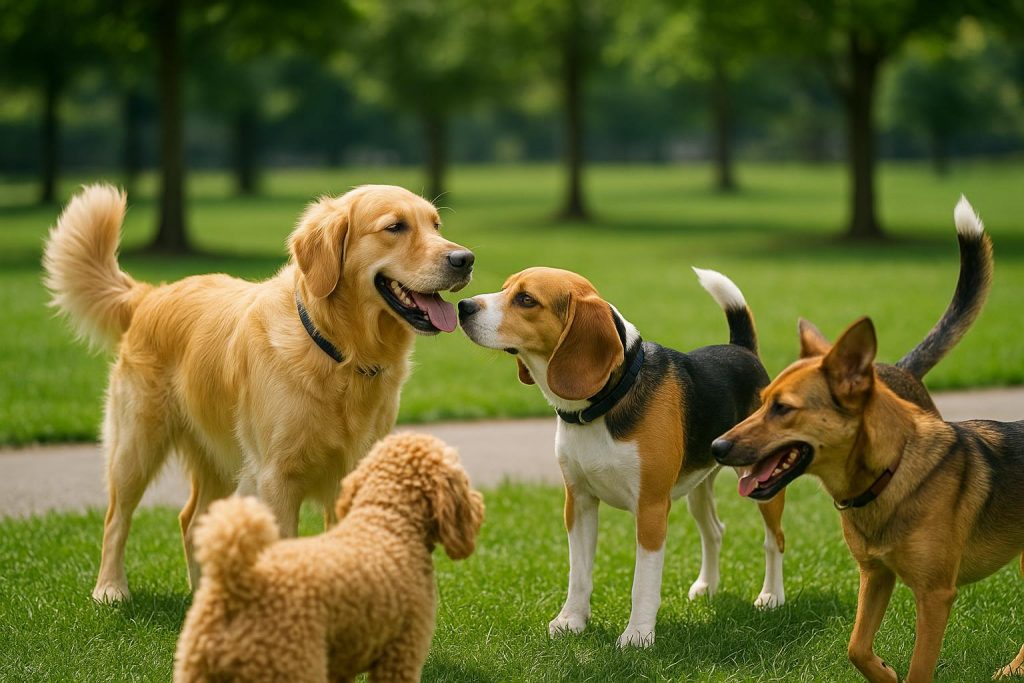
Exposing your dog to a wide variety of people and dogs supports well-rounded social development. Introductions should include individuals of different ages, appearances, and mobility levels, such as children, older adults, and people wearing uniforms or accessories. Likewise, dogs benefit from meeting other dogs of varying sizes, breeds, and energy levels in controlled settings. Supervised playdates, obedience classes, and structured group walks provide safe environments for interaction while reinforcing appropriate social behavior.
Everyday environments offer valuable opportunities for ongoing socialization. Walking through different neighborhoods, visiting pet-friendly stores, spending time near outdoor cafés, and exposing your dog to common sights and sounds help normalize everyday experiences. Gradual, controlled exposure to stimuli such as traffic noise, bicycles, and household sounds teaches dogs to remain calm in real-world situations.
About Michele Zormeier MD
Michele Zormeier MD is a double board certified physician and the owner of the Zormeier Cosmetic Surgery and Longevity Center. She leads a multi-state practice offering facial plastic surgery, cosmetic treatments, and longevity-focused medical services. Educated at Wayne State University, she completed residency and fellowship training in otolaryngology, head and neck surgery, and cosmetic facial plastic surgery, and remains actively engaged in continuing medical education and professional organizations.