

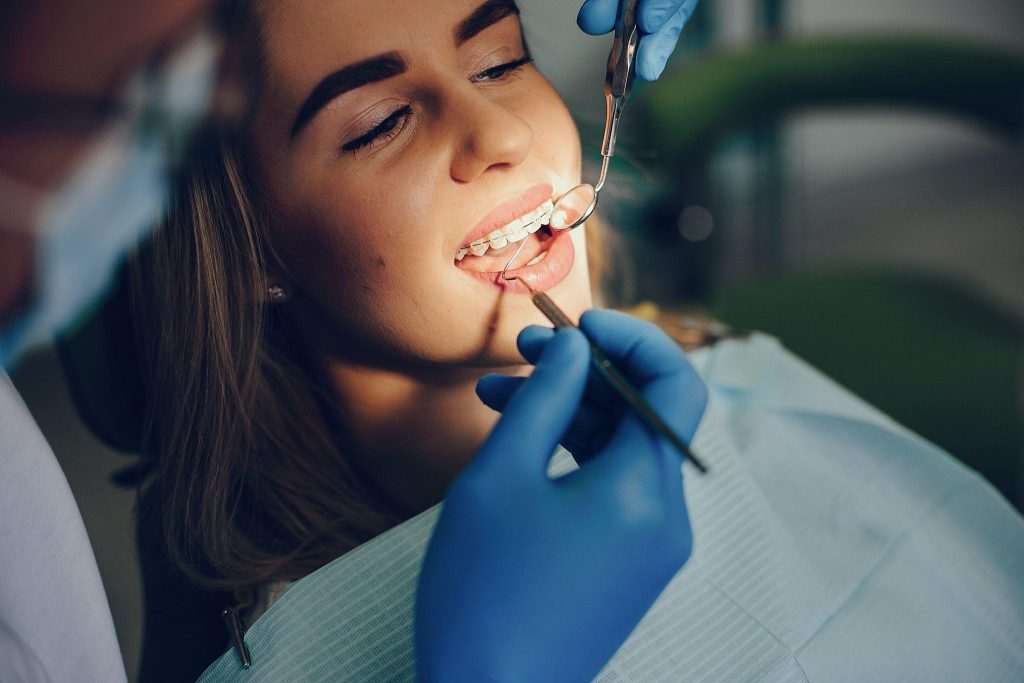
A balanced smile changes function. It alters bite force, chewing rhythm, plus how teeth meet under pressure. Alignment is not cosmetic alone. Patients exploring orthodontic correction often begin with scattered research, then narrow down choices based on predictability, comfort, alongside clinical clarity. Somewhere in that filtering process, the term braces dubai becomes a reference point for structured, specialist-led treatment pathways.
Across advanced dental settings, orthodontics operates on measured movement. Nothing shifts randomly. Digital scans replace assumptions, treatment plans are mapped before the first adjustment, plus every stage is tracked against expected progress. For patients, this translates into fewer surprises and more control over outcomes. It also reduces unnecessary adjustments, which earlier methods often required due to limited visibility into tooth movement patterns.
Table of Contents
Understanding Orthodontic Treatment Foundations
At the diagnostic stage, specialists evaluate multiple layers at once. Tooth alignment, jaw relationship, plus bite interaction are assessed together, not in isolation. Crowding patterns reveal space constraints. Bite irregularities indicate functional imbalance. Every observation feeds into a structured plan.
In execution, treatment is calibrated. No standard template exists. Age influences bone response. Oral hygiene affects treatment speed. Lifestyle determines appliance suitability. Controlled force remains constant, yet application varies depending on how teeth respond over time, alongside how consistently patients follow instructions. Even minor inconsistencies, such as missed appointments or improper care, can alter the projected treatment curve.
Types of Braces and Alignment Systems
Orthodontic systems differ in structure, not intent. Metal braces deliver strength. Ceramic braces reduce visibility while maintaining similar mechanics. Lingual braces reposition brackets behind teeth, shifting aesthetics without altering force delivery.
Clear aligners shift the experience. They introduce removability. Eating becomes easier. Cleaning improves. Yet, limitations exist. Complex rotations, severe bite corrections, alongside multi-directional movements often require fixed appliances for precision. Selection depends on structural requirements, not convenience preferences. In some cases, hybrid approaches are used, combining aligners with fixed components for better control.
The Role of Diagnosis and Digital Planning
Before treatment begins, digital mapping defines direction. Three-dimensional scans capture tooth positioning alongside jaw alignment, allowing specialists to simulate movement sequences in advance. This reduces mid-treatment uncertainty.
Digital Imaging Accuracy
High-resolution imaging captures fine structural variations. These details influence bracket placement, force direction, plus movement timing.
Customized Treatment Mapping
Each stage is visualized digitally. Patients see progression before it starts, which improves understanding and compliance.
Bite Analysis and Jaw Assessment
Jaw positioning is assessed alongside tooth alignment. Functional correction is prioritized, not just visual straightening.
Monitoring Progress Over Time
Progress is tracked through periodic scans. Adjustments respond to actual movement, not static plans created at the beginning. This ensures that unexpected variations are corrected early rather than compounding over time.
Oral Health Benefits Beyond Aesthetics
Alignment improves hygiene access. Straight teeth reduce plaque accumulation zones. Brushing becomes effective. Flossing reaches deeper areas without obstruction. This lowers long-term risk of decay alongside gum inflammation.
Function improves as well. Even bite distribution prevents localized stress. Teeth wear evenly. Jaw strain reduces. Over time, this protects structural integrity alongside maintaining comfort during daily use. Patients often notice improved chewing efficiency, especially when prior misalignment affected how teeth met during meals.
Treatment Duration and Patient Commitment
Timelines depend on complexity. Minor spacing adjusts quickly. Structural corrections take longer. Progress is not linear; it responds to biological factors.
Consistency matters more than speed. Patients must maintain hygiene standards. Food choices affect appliance stability. Hard textures can damage brackets. Sticky substances interfere with alignment mechanics. Compliance influences both duration and outcome quality. Delays often occur not because of clinical limitations, but due to inconsistent patient adherence.
Choosing the Right Clinic for Orthodontic Care
Within orthodontic treatment, environment shapes results. A structured dental clinic Dubai setup integrates diagnostics, treatment planning, alongside follow-up under one coordinated system.
Key considerations include:
- Availability of digital scanning technology that enhances precision
- Presence of orthodontic specialists managing varied complexities
- Transparent communication of treatment phases, not vague timelines
- Strict hygiene control maintained across procedures
Each factor reduces variability. A coordinated system also ensures that records, adjustments, and progress tracking remain consistent throughout the treatment cycle.
Comfort, Adjustments, and Lifestyle Integration
Initial discomfort happens. Pressure builds during early adjustments. Teeth respond to applied force. The sensation fades as adaptation begins, usually within a short period.
Managing Initial Discomfort
Soreness appears briefly. It reduces as tissues adjust to the applied force.
Adapting to Eating Habits
Soft foods dominate initially. Gradual transition follows, with attention to chewing patterns.
Maintaining Oral Hygiene
Specialized tools clean around brackets. Flossing aids improve access between teeth alongside wires.
Scheduling Regular Adjustments
Follow-ups introduce controlled changes. Each visit moves alignment forward with calculated precision. Skipping these sessions can slow progress or lead to uneven movement patterns.
Long-Term Results and Retention Phase
Treatment does not end with alignment. Retention begins immediately after active correction. Teeth tend to shift. Without stabilization, results can reverse quickly.
Why does relapse occur so easily? Because surrounding tissues need time to adapt. Retainers hold teeth in position while stabilization occurs. Some patients require continuous wear initially. Others transition to limited use depending on structural response.
Retention is discipline-driven. Missed usage leads to gradual movement. Changes may not appear immediately, yet they accumulate over weeks. Consistent retainer wear preserves alignment, protects investment, plus ensures long-term stability without requiring corrective retreatment. Inconsistent retention often results in partial relapse, which may require additional corrective procedures.
Final Thoughts
What separates a routine orthodontic experience from one that delivers controlled, lasting results? Queens Medical Center operates through a system where diagnostics, planning, alongside execution remain tightly aligned, ensuring each stage contributes directly to long-term stability rather than temporary correction.
Choosing the right dentist for braces Dubai involves evaluating precision, follow-up discipline, plus access to multiple orthodontic solutions such as metal braces, ceramic systems, clear aligners, alongside retention care, all delivered within a clinically structured environment focused on measurable outcomes.