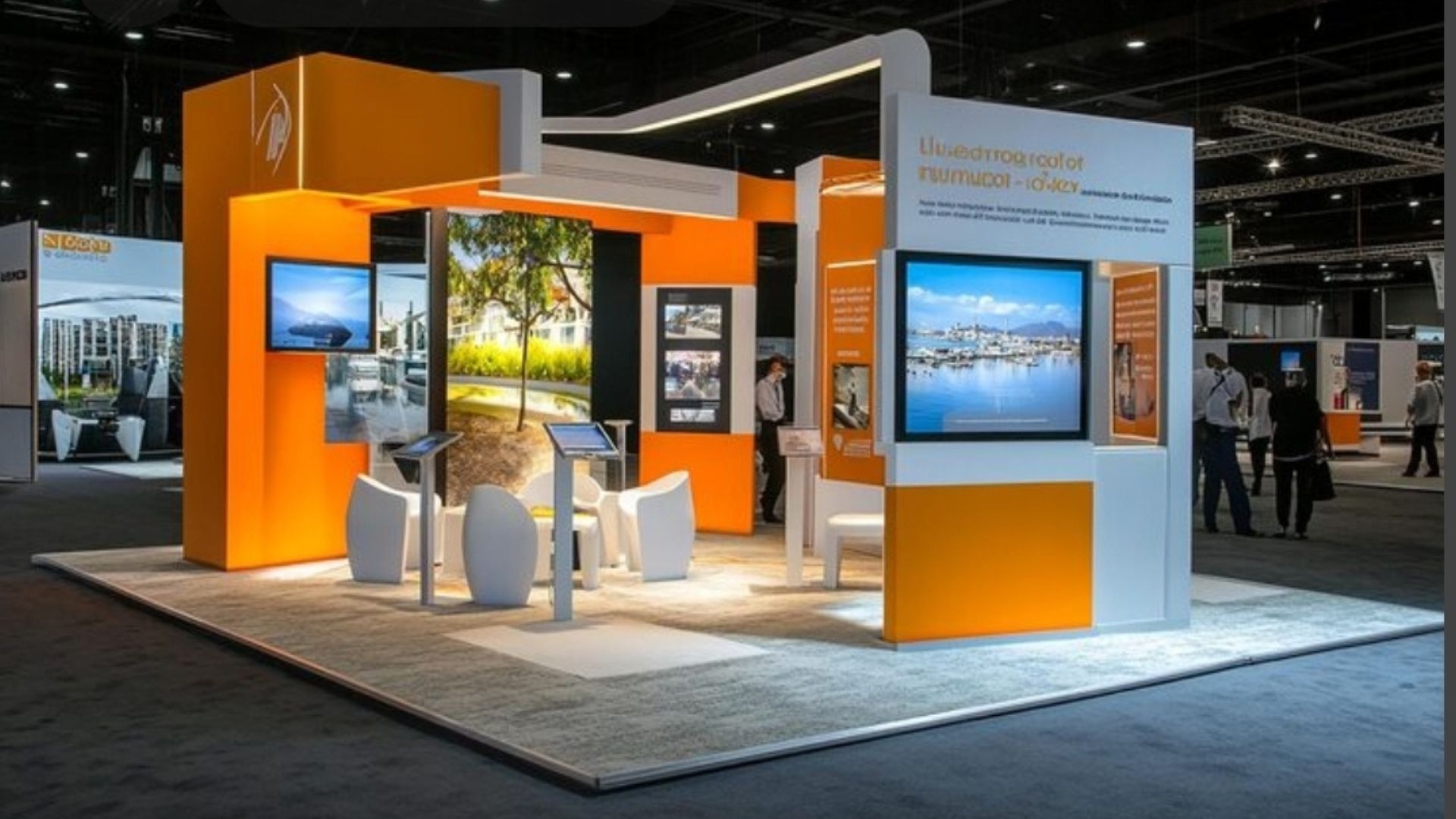
Sustainability is a priority for almost every sector, and this is reflected in trade shows. Trade shows are certainly not off the list when it comes to sustainability. Climate-conscious exhibition solutions are in growing demand, and they do not come with a price tag that detracts from the exhibition’s creativity, professionalism, or brand awareness. The current trends in exhibit design prove that sustainability and aesthetics are not mutually exclusive and can be achieved simultaneously, thereby distinguishing institutions in creating an unforgettable experience while maintaining responsible business practices.
Sustainable exhibits are redefining the way brands do event marketing—from reusable buildings and recyclable materials to energy-efficient lighting and modular layouts. At the custom trade show exhibits today, visitors to the booths will experience the latest in innovative design and eco-friendly materials, creating memorable and impactful moments for both guests and exhibitors. Continuing to participate in a variety of events throughout the year will benefit the environment and, in the long term, be more efficient and value-adding for the exhibitor’s business if they adopt sustainable exhibit strategies.
Table of Contents
5 Eco-Friendly Exhibit Ideas That Deliver Lasting Impact
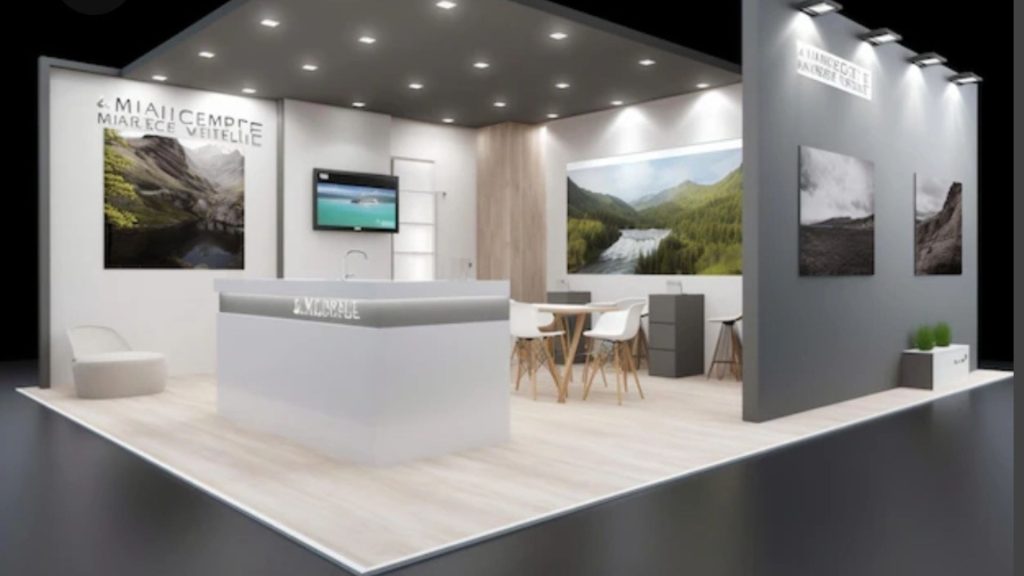
- Choose Reusable and Modular Exhibit Systems
Increasingly, companies are finding that using trade show rental booths and modular exhibits is an environmentally friendly alternative to building new structures each time. Modular components are built to be reassembled, moved, and reconfigured again and again, allowing the exhibitor to have a flexible space that can be adapted to various venues and uses with minimal material waste.
Reusable exhibit systems also extend the life cycle of exhibits and reduce the environmental impact from manufacturing new structures for each exhibit. Flexibility built into the components while maintaining a brand identity with interchangeable panels, modular frames, and replaceable graphics.
Beyond its versatility, this also boosts the long-term cost-effectiveness for companies, enabling them to attend several events while maintaining a professional and sustainable image.
- Select Sustainable Materials Without Compromising Design
The materials employed in creating an exhibit have a major impact on the exhibit’s environmental impact. Wood that is responsibly sourced, aluminum that is recycled, fabric graphics that are reusable, biodegradable composites, and reusable flooring systems are all increasingly being used in modern sustainable exhibits.
They provide durability and a high-quality appearance, and minimize the use of resources during their manufacture and disposal. For instance, fabric graphics offer a bright, colorful visual presentation with less weight and bulk than traditional rigid signage and are easier to transport.
Through careful selection of materials, it is possible to demonstrate environmental awareness and create complex exhibition spaces that align with the current design style and corporate sustainability goals.
- Replace Printed Materials with Digital Experiences
In the world of traditional exhibit marketing, printed brochures, flyers, catalogs, and handouts are frequently the main marketing tools, but can often lead to waste. Digital alternatives not only offer more sustainable ways to share information but also increase visitor engagement.
Using interactive touchscreens, QR codes, digital catalogs, product videos, and downloadable resources, attendees can get more information without the need for a lot of printed resources. These solutions can also make content updates between events easy and hassle-free, instead of reproducing the physical marketing assets.
Digital engagement not only contributes to sustainability but also to operational efficiency and provides visitors with more interactive experiences, reflecting the communication trend of today’s era.
- Incorporate Energy-Efficient Lighting and Technology
Lighting has a great impact on the atmosphere, visibility, and interaction with exhibits. Due to the high energy efficiency and long life of LED technology, it has become a vital part of the development of sustainable exhibits.
LED lighting fixtures use less energy, generate little heat, and have a longer lifespan than more conventional lighting fixtures. Programmable lighting solutions can also help exhibitors optimize energy use, depending on the event’s timing and presentation requirements.
Energy-efficient displays, low-power multimedia displays, and intelligent power management also help ensure environmentally responsible exhibition operations without compromising professional and visually appealing presentation.
- Design for Long-Term Flexibility Rather Than Single Events
Sustainability is not only a material choice, but also a long-term planning aspect, and can be flexible. When the future needs of an exhibition vary, and an event-specific booth is needed, it may be necessary to tear down the booth or significantly modify it.
A flexible exhibit system allows multiple configurations, brand changes, and layout changes, but not the need to build new structures. Businesses can change the look of their display by replacing its graphic panels, adding modular accessories, and changing the components of the display.
The design with longevity ensures that the exhibition is not a waste of time and resources; it also produces a better return on investment and ensures a consistent brand image across a range of exhibition locations during the year.
End Point
Sustainable, high-quality exhibits prove that eco-consciousness and design are well suited to be one and the same. Eco-friendly materials, long-term planning, reusable modular systems, digital engagement, and energy-efficient technologies help companies minimize their environmental footprint while providing memorable exhibition experiences. With sustainability driving event marketing strategies, well-planned displays offer companies opportunities to enhance their brand image and improve efficiency, all while maintaining creative, visually appealing designs.
