I’m certain nobody reading this has much to remember from 1885. It’s hard to even imagine what the world was like over 130 years ago, our way of life today is entirely incomparable with that of the late 1800s. 1885 isn’t a year that stands out as particularly impactful, neither does it stand out as landmark. However, a lot happened in 1885 that’s worth remembering. Grover Cleveland was inaugurated as the first US president since the Civil War, Good Housekeeping magazine published its first episode, the Statue of Liberty arrived in New York City aboard a French ship, and Louis Pasteur successfully delivered an anti-rabies vaccine to a 9-year-old, subsequently saving his life.
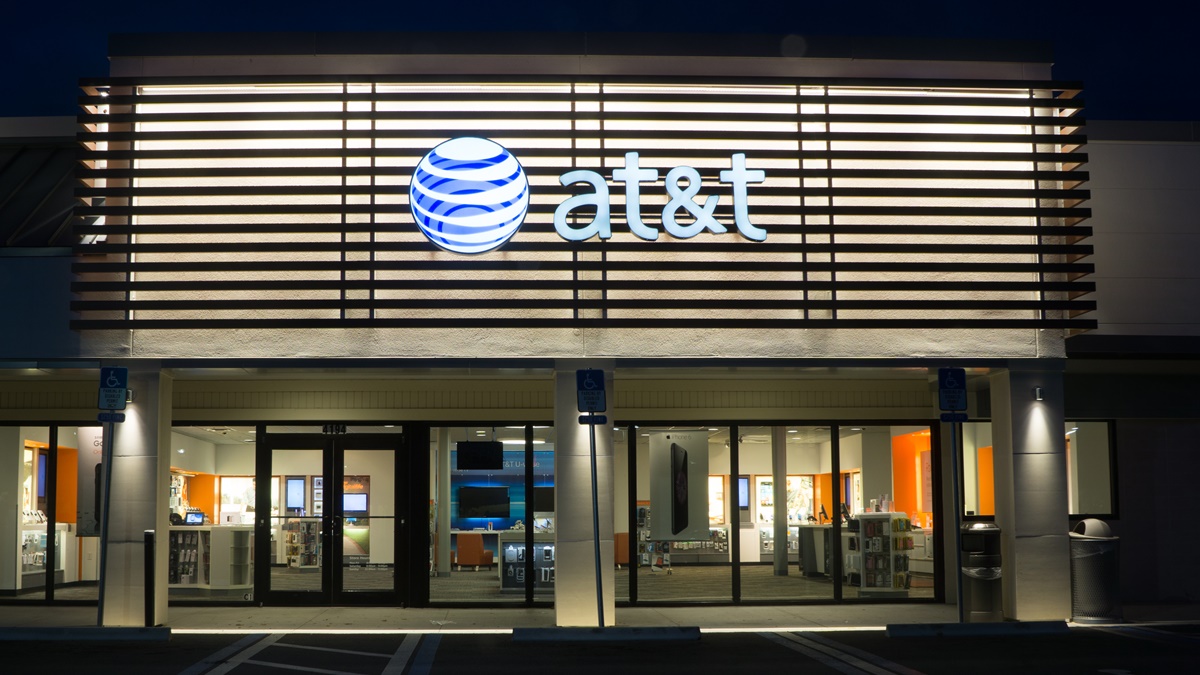
Also taking place in 1885, after founding the Southwestern Bell Telephone Company, Alexander Graham Bell, the American visionary and entrepreneur, established the American Telephone and Telegraph Company, later to be rebranded as AT&T. Bell was a humble man, born in Edinburgh. Bell was inventing things from an early age, displaying a curiosity even at the age of 12, eventually building a homemade device later used in mills across the country.
However, none of his invention would trump his official U.S. patent for the telephone, in March 1876. Though the telephone would change the world, Bell considered the telephone an infringement on his real work as a scientist. The later established AT&T would prove to be an astronomic success becoming the largest telecommunications providers in the entire world. As of 2019 AT&T has a market capitalisation of over £250bn and owns several other huge entities. This includes WarnerMedia, Turner cable television networks, Warner Bros and more. Due to this enormous growth AT&T have also faced several anti-monopoly cases, facing demands to facilitate more competition in the market and make pricing fairer for customers.
Across America there are now around 75 million postpaid AT&T subscribers and 17 million prepaid customers. They also have a churn rate which is one of the lowest in the industry at just 1.18%. With a churn rate this low and such a vast number of customers it’s clear that AT&T provide a market-leading service to its customers, not only retaining current device owners but also continuing to attract new ones. As have many other network providers, AT&T have wholeheartedly embraced the network contract.
As more technology is crammed into smartphones and we become more dependent upon them in both our personal and professional lives their price has steadily creeped up. Though having reduced drastically since their inception, smartphone prices are now increasing with the latest Apple iPhone topping out at almost £1300. This means ownership has become more difficult in a struggling global economy. To overcome this, networks have introduced the network contract, this gives prospective buyers the ability to purchase the latest technology with the handset price spread out across several years, the network also baked in the price of their usage with this single monthly payment.
While these network contracts seem great on the service, the devices associated with them are locked to AT&T, meaning they cannot be used with any other network. Locked devices cost owners money and lack flexibility. Though this may be frustrating, there’s a simple way to get around these costs and save yourself money as an AT&T smartphone owner. You can do this with a simple AT&T Unlock.
How do Locked Devices Cost you Money?
There are several ways locked devices cost you money. The first and most significant is when you’re travelling. Locked devices are subject to roaming charges, meaning wherever you are in the world you have to pay a fixed price, which is usually extremely high, to continue using your device. However, with an unlocked device you can simply remove your domestic SIM, purchase a local SIM-only preloaded with data, plug it in to your device, and continue to use your device as normal. This will save you around £40 per trip.
Most users sell their device when they reach the end of their contract to raise money for their next purchase. Locked devices are worth around 20-30% less than unlocked devices and sell much more slowly than their unlocked counterparts. Buyers recognise the value of unlocked devices and snap them up much quickly than they would with a locked device. Depending on your device you could sell for an extra £100 all for the price of a £20 ATT Unlock.
So, what are you waiting for? Save yourself a ton of money today with a simple AT&T unlock!