

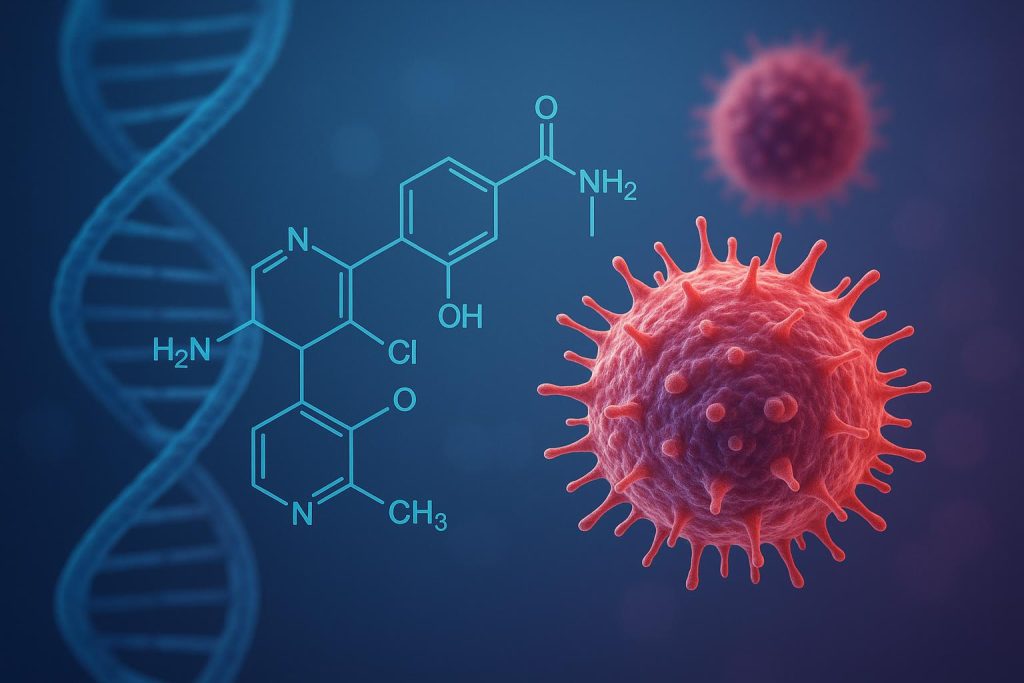
Chronic lymphocytic leukemia (CLL) has long represented a difficult challenge for doctors and patients alike. Standard immunochemotherapy was fast-acting, but often exhausted the body. With the advent of targeted drugs, the approach to helping people has changed dramatically. Particularly when science created second-generation molecules. which selectively target specific molecular pathways.
Today, clinical practice relies heavily on long-term observational data. A central place among these is occupied by the sequoia zanubrutinib trial. This global Phase III study evaluated the efficacy of zanubrutinib in patients who had not previously received systemic treatment. Observational results demonstrated the importance of molecular selectivity for achieving long-term disease control.
Table of Contents
How Molecular Blockade of Tumor Signaling Works
Bruton’s tyrosine kinase serves as an essential signal transmitter inside B-lymphocytes. In chronic lymphocytic leukemia, this protein operates without stopping. It contributes to the survival and progression of cancer cells , forcing them to continuously accumulate in the blood, lymph nodes, and spleen. Consequently, tumor tissue gradually displaces normal blood formation.
Zanubrutinib acts as a highly selective, new-generation inhibitor. The molecule forms a strong covalent bond with a cysteine residue in the active site of this enzyme. Blockade occurs rapidly, and suppression of the pathological signal remains round-the-clock. This makes it possible to halt the division of abnormal cells without delay.
The main advantage lies in minimal off-target activity against other similar kinases. Predecessors of the drug sometimes blocked secondary proteins such as TEC or EGFR. This led to unwanted reactions affecting the stomach, skin, or heart. The new generation of medicationhas been designed to avoid such off-target activity, which facilitates long-term daily intake.
Long-Term Results of the Clinical Trial
The international Phase III study enrolled hundreds of adult patients without del(17p). Participants were divided into two equal groups for an objective comparison. The first group received an oral drug, while the second underwent six cycles of a classic regimen combining bendamustine and rituximab. All participants remained under careful medical supervision.
Long-term follow-up, exceeding six and a half years, showed the advantage of the selective approach. Most people in the targeted therapy group continue to live without signs of disease progression. Progression-free survival rates remained stable across all years of observation.
At the 78-month mark, progression-free survival reached 71.8% compared to 31.0% in the classic chemoimmunotherapy group. The risk of disease recurrence dropped by more than seventy percent.These findings might have some implications on clinical practice. Patients gained the opportunity to continue daily activities without exhausting intravenous infusions in hospital wards. .
Furthermore, the time to next treatment was significantly prolonged for the majority of participants. People in the comparison group initiated subsequent therapy much earlier. The targeted approach reported a longer time till next treatment.
Efficacy in Complex Genetic Mutations
The genetic profile of a tumor always dictates the course of chronic lymphocytic leukemia. For instance, the mutation status of the immunoglobulin heavy chain variable region genes is considered one of the most vital prognostic factors. Unmutated status typically signifies a more aggressive form of the disease and a high risk of relapse.
With standard chemoimmunotherapy, patients without IGHV mutations quickly lost their response to treatment. Tumor cells found alternative pathways and began actively proliferating once again. Zanubrutinib completely reversed this trend, offering equal chances to patients regardless of genetic markers.
In patient cohorts with both mutated and unmutated status, long-term control rates proved consistently high. Among individuals with an unmutated profile, progression-free survival after six years was 70.4%. In the comparison group, this parameter was just 17.4%. Precision action on the molecular chain makes it possible to overcome tumor resistance.
Safety Profile and Treatment Tolerability
Long-term daily therapy requires not only high efficacy, but also a predictable safety profile. Elderly patients often have concomitant vascular and cardiac conditions. That is why drug tolerability becomes a decisive factor when selecting a treatment plan.
Due to its high selectivity, the drug less frequently causes side effects that typically forced doctors to discontinue treatment. The primary safety features identified during long-term observation include the following:
- lower incidence of atrial fibrillation compared to first-generation inhibitors;
- reduced risk of severe bleeding and hemorrhagic complications in daily life;
- absence of pronounced suppression of healthy immune cells, which lowers infection risk;
- convenient oral administration as capsules twice daily without attachment to an inpatient facility.
These data confirm that careful molecular engineering protects the patient from excessive toxic burden. As a result, the vast majority of people continue their prescribed course without forced breaks or dose reductions.
Evaluating Second-Line and Subsequent Therapy Stages
In modern hematology, it is essential to think several steps ahead. Physicians always evaluate not just the body’s primary response, but also options for further treatment.
The study revealed an exceptionally interesting pattern. Patients who eventually experienced progression on zanubrutinib years later still responded successfully to subsequent therapy regimens. Second progression-free survival at 78 months stood at 81.3%.
This is a highly meaningful factual outcome for everyday practice. It proves that primary use of targeted blockade does not trigger mutational aggression in the tumor.
Combination Regimens and The Future of Hematology
Today, medical science does not stop at what has been achieved. Specialists are actively studying combinations of Bruton’s tyrosine kinase inhibitors with other targeted agents, particularly BCL-2 inhibitors. Such a dual approach is being evaluated for the possibility of several survival pathways of leukemic cells to be blocked simultaneously.
Initial results from these combinations are encouraging. . They make it possible to achieve deep clearance of pathological cells from bone marrow within a relatively short timeframe. Naturally, this opens up prospects for creating fixed-duration treatment schedules.
Practical Conclusions for Everyday Decision-Making
Overall, the experience of applying targeted inhibition has fundamentally reshaped perceptions of chronic lymphocytic leukemia management. Targeted therapies have expanded the treatment options available for patients. They may also help doctors plan long term care strategies.
Selecting first line therapy involves consideration of efficacy and safety. Thanks to the results of extended clinical trials, specialists possess clear benchmarks to guide care for people with diverse genetic profiles and co-occurring conditions.
Medical Disclaimer: The information provided in this article is intended for educational purposes only and should not be interpreted as medical advice, clinical guidelines, or a recommendation for any specific treatment.