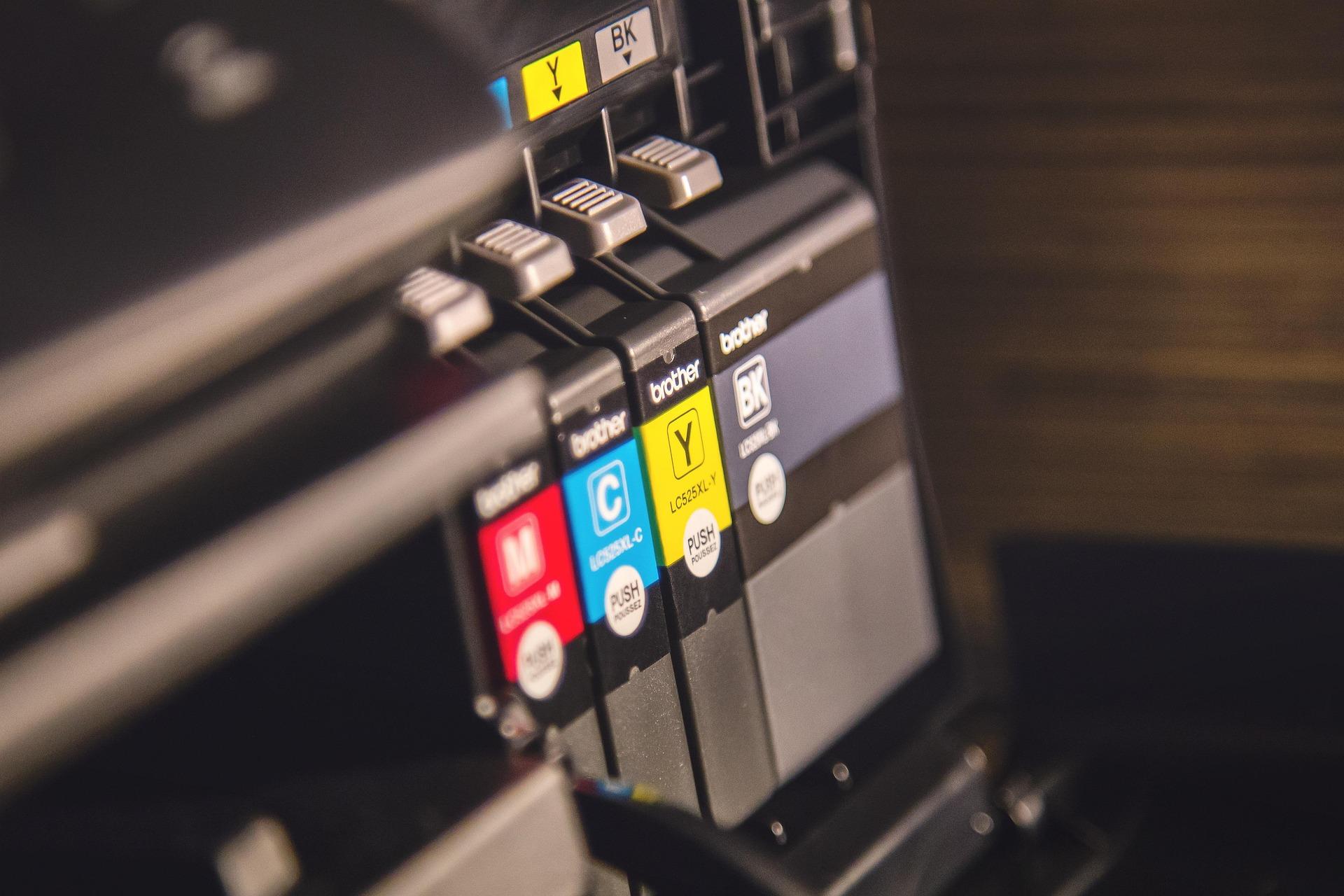
Whether you’re managing a busy school office, running a small business, or coordinating supplies for an entire district, one cost always creeps up faster than expected — printing. Ink cartridges, when purchased one at a time, can quietly drain budgets before anyone notices. That’s exactly why more schools, teachers, and organizations are switching to bulk ink cartridges as a smarter, more cost-effective strategy.
In this guide, we’ll walk you through everything you need to know about buying ink in bulk — from the types of cartridges available to tips on choosing the right supplier and maximizing your savings.
Table of Contents
Why Buying Bulk Ink Cartridges Makes Financial Sense
The math is simple: the more you buy, the less you pay per unit. But the savings go deeper than the price tag on the box.
When you purchase ink cartridges individually from a retail store, you’re paying a premium — not just for the product, but for the packaging, the shelf space, and the retail markup. Buying bulk ink cartridges directly from a wholesale or outlet supplier cuts out those extra costs entirely.
Here’s a breakdown of the key financial benefits:
- Lower cost per page — Bulk cartridges typically bring your per-page printing cost down significantly, especially for high-volume environments.
- Reduced reorder frequency — When you stock up, you spend less time placing repeat orders and managing shipments.
- Budget predictability — Fixed-rate bulk pricing means no surprise expenses mid-semester or mid-quarter.
- Fewer shipping fees — One large shipment often costs less (or nothing) compared to multiple small ones.
For schools and educational institutions in particular, these savings can be redirected to where they matter most — classroom resources, teacher tools, and student programs.
Who Benefits Most from Bulk Ink Cartridges?
Not everyone has the same printing needs, but several groups consistently see the greatest return on bulk ink purchasing:
Schools and Educational Institutions
From printing worksheets and report cards to administrative paperwork and event flyers, schools go through ink fast. A single teacher might print hundreds of pages per week. Multiply that across a staff of 50 and the numbers become staggering. Bulk ink cartridges keep the printers running without constant budget alerts.
Small and Medium Businesses
Offices that print invoices, contracts, marketing materials, and internal documents daily need a steady, affordable ink supply. Buying in bulk eliminates the “we’re out of ink” disruptions that stall productivity.
Nonprofits and Community Organizations
Operating on tight budgets, these organizations benefit enormously from wholesale pricing. Every dollar saved on supplies is a dollar that can go toward mission-driven work.
Home-Based Businesses and Freelancers
For remote workers who handle their own printing needs, bulk buying still applies — especially for those who print client-facing materials, labels, invoices, or marketing content regularly.
Types of Bulk Ink Cartridges: What to Know Before You Buy
Not all ink cartridges are created equal. When shopping in bulk, it pays to understand the main categories:
OEM (Original Equipment Manufacturer) Cartridges
These are made by the same company that manufactured your printer — think HP, Epson, Canon, or Brother. They’re designed to work seamlessly with your machine and typically offer the most consistent print quality. The trade-off? They’re usually the most expensive option.
Compatible Cartridges
Compatible cartridges are made by third-party manufacturers but designed to work with specific printer models. They follow the same specifications as OEM products and deliver comparable quality at a lower price point. When buying in bulk, compatible cartridges are one of the most popular choices for cost-conscious buyers.
Remanufactured Cartridges
These are used OEM cartridges that have been professionally cleaned, refilled, and tested. They’re an environmentally friendly option that keeps cartridges out of landfills. Quality can vary by supplier, so it’s worth checking reviews and guarantees before purchasing in large quantities.
High-Yield (XL) Cartridges
High-yield cartridges contain significantly more ink than standard versions — sometimes two to three times more. When buying in bulk, opting for XL cartridges can stretch your supply further and reduce the frequency of reorders, even if the upfront cost is slightly higher.
How to Choose the Right Bulk Ink Supplier
With so many options out there, picking the right supplier is just as important as the cartridges themselves. Here’s what to look for:
1. Printer Compatibility
Before placing any bulk order, verify that the cartridges are compatible with every printer model in your fleet. A good supplier will offer easy-to-use compatibility checkers or have a knowledgeable support team to guide you.
2. Quality Guarantees
Reputable suppliers stand behind their products. Look for satisfaction guarantees, return policies, and warranties on bulk orders. The last thing you want is 50 cartridges that smear, clog, or run dry ahead of schedule.
3. Fixed-Rate or Transparent Pricing
Some suppliers offer fixed-rate pricing on bulk orders, which means you know exactly what you’ll pay upfront — no surprise fees or tiered pricing that changes based on purchase volume. This is especially helpful for schools and nonprofits working with strict budget allocations.
4. Fast and Reliable Fulfillment
In a school setting, running out of ink mid-semester isn’t just inconvenient — it can disrupt lessons and administrative operations. Choose a supplier that offers reliable delivery timelines, ideally with same-day or next-day options available.
5. Dedicated Customer Support
Bulk buyers should have access to responsive customer service. Whether you need help with compatibility, a replacement shipment, or a custom order, a supplier that values long-term relationships will prioritize your experience.
Tips for Managing Bulk Ink Cartridge Inventory
Buying in bulk is only half the equation — you also need a plan for managing your supply effectively.
Create a central storage system. Designate a dry, temperature-controlled area for storing ink cartridges. Ink is sensitive to extreme heat and moisture, which can degrade performance over time.
Rotate stock. Use older cartridges first. Most cartridges have a shelf life of one to two years when stored properly, so a first-in, first-out system prevents waste.
Track usage patterns. Keep a simple log of how quickly different cartridge types are consumed. This helps you reorder at the right time and avoid last-minute panic purchases.
Set reorder thresholds. Establish a minimum stock level that triggers a new order. For example, when you reach your last 10 cartridges, place the next bulk order. This ensures you never run dry unexpectedly.
Communicate with staff. Let teachers, office staff, and administrators know where the stock is kept and how to request replacements. A clear process prevents both hoarding and shortages.
Environmental Benefits of Buying in Bulk
Sustainability matters, and bulk buying plays a role here too. Fewer individual shipments mean less packaging waste and a smaller carbon footprint per cartridge. When combined with choosing remanufactured cartridges or brands that offer cartridge recycling programs, you can significantly reduce the environmental impact of your printing operations.
Many schools and organizations are also setting sustainability goals that include reducing packaging waste. Switching to bulk ink procurement is a practical step that supports those goals without sacrificing operational efficiency.
Common Mistakes to Avoid When Buying Bulk Ink Cartridges
Even experienced buyers make missteps. Here are the most common ones to watch out for:
Buying the wrong model. Always double-check the cartridge number against your specific printer model. A small digit difference can mean an entirely incompatible product.
Ignoring yield data. Compare cartridges based on their page yield, not just their price. A cheaper cartridge that runs out twice as fast isn’t actually saving you money.
Overlooking supplier reputation. Cheap prices from an unknown supplier can mean poor quality, slow shipping, or difficult returns. Read reviews, check return policies, and stick with trusted outlets.
Over-buying perishable stock. While it’s tempting to load up on ink, keep your print volume in mind. Cartridges stored longer than their shelf life may dry out or degrade, wasting your investment.
Forgetting to factor in shipping. Some suppliers advertise low unit prices but charge heavily for shipping. Always calculate the total landed cost before finalizing a bulk purchase.
Making the Switch: A Practical Starting Point
If you’ve been buying cartridges one at a time, the transition to bulk purchasing is easier than you might think. Start by auditing your current inventory — note which printers you’re using, which cartridge models they require, and roughly how many you go through in a month.
From there, estimate a two-to-three month supply and place your first bulk order. Most schools find that a quarterly purchasing schedule works well, aligning with budget cycles and semester timelines.
Once you’ve experienced the savings and convenience of buying bulk ink cartridges, it’s hard to go back.
Final Thoughts
Bulk ink cartridges aren’t just a purchasing strategy — they’re a smarter way to run your print operations. Whether you’re buying for a single classroom or an entire school district, the benefits are clear: lower costs, fewer disruptions, better inventory control, and even a reduced environmental footprint.
The key is partnering with a reliable supplier that offers transparent pricing, quality-guaranteed products, and responsive support. With the right setup in place, you’ll spend less time worrying about ink and more time focused on what actually matters — whether that’s educating students, serving clients, or growing your organization.
Start exploring bulk ink cartridge options today and see how much your operation can save.