Table of Contents
Table of Contents
1. Introduction: More Than Just Fabric
2. The Undeniable Benefits of Branded Workwear
3. Strategic Planning: Laying the Foundation for Success
4. Design and Branding: Crafting Your Visual Identity
5. Material Matters: Comfort, Durability, and Functionality
6. Sourcing and Production: Partnering for Perfection
7. Distribution and Management: Ensuring a Smooth Rollout
8. Legal and Ethical Considerations: Compliance and Responsibility
9. Measuring Impact and Continuous Improvement
10. Beyond the Garment: Fostering a Culture of Pride
1. Introduction: More Than Just Fabric
In today's competitive business landscape, every touchpoint with your brand matters. From your website's user experience to the professionalism of your customer service, each element contributes to your overall image. One often-overlooked yet profoundly impactful aspect is employee workwear. Far from being a mere uniform, custom branded workwear is a powerful marketing tool, a morale booster, and a silent ambassador for your company's values. This comprehensive guide, brought to you by Totally Branded, delves into every facet of implementing custom branded workwear for your employees, providing actionable insights for businesses of all sizes. We will explore the strategic advantages, practical considerations, and best practices to ensure your investment in employee apparel yields significant returns.
2. The Undeniable Benefits of Branded Workwear
Investing in custom branded workwear extends far beyond simply dressing your team. It offers a multifaceted return on investment that impacts various aspects of your business. Understanding these benefits is the first step toward a successful implementation strategy.
Enhanced Brand Recognition and Professionalism
When employees wear branded attire, they become walking advertisements for your company. This consistent visual presence reinforces your brand identity in the minds of customers, clients, and the general public. It projects an image of professionalism, credibility, and trustworthiness, which can significantly influence perception and purchasing decisions. A unified appearance communicates that your team is organized, dedicated, and serious about their work.
Improved Team Cohesion and Morale
Branded workwear fosters a sense of belonging and unity among employees. It creates a level playing field, reducing distinctions based on personal clothing choices and promoting a collective identity. This shared visual element can boost team spirit, encourage collaboration, and instill a sense of pride in their workplace. When employees feel part of something bigger, their morale and productivity often increase.
Increased Customer Trust and Confidence
Customers often associate branded uniforms with reliability and expertise. When they see an employee in recognizable company attire, it immediately establishes a connection and instills confidence. This is particularly crucial in service-oriented industries where trust is paramount. It helps customers easily identify staff members, improving the overall customer experience and potentially leading to stronger relationships.
Cost-Effectiveness and Practicality
While there is an initial investment, branded workwear can be surprisingly cost-effective in the long run. It can reduce the need for employees to purchase extensive wardrobes for work, and many companies offer laundry services or allowances, further simplifying things. Furthermore, durable, high-quality workwear can withstand the rigors of daily use, offering a practical solution for various work environments.
Safety and Compliance
In certain industries, specific types of workwear are mandated for safety reasons. Branded safety wear not only protects employees but also clearly identifies them as part of your organization, which can be important for site access and compliance with regulations. It demonstrates a commitment to employee well-being and responsible business practices.
3. Strategic Planning: Laying the Foundation for Success
A successful branded workwear program requires careful planning and foresight. Skipping this crucial stage can lead to costly mistakes and a less effective outcome.
Defining Your Objectives
Before selecting a single garment, clearly articulate what you aim to achieve with your branded workwear. Are you primarily focused on brand visibility, employee morale, safety, or a combination of these? Your objectives will guide every subsequent decision, from design to material selection.
Understanding Your Workforce and Work Environment
Consider the diverse needs of your employees. What are their roles? Do they work indoors or outdoors, in a formal office or a rugged industrial setting? Understanding their daily tasks and the environmental conditions they face is vital for choosing appropriate clothing types and materials. A sales team's requirements will differ significantly from those of a warehouse crew.
Budget Allocation
Establish a realistic budget early in the process. This should encompass not just the cost of the garments themselves, but also design fees, customization (embroidery, printing), potential sizing kits, and ongoing replacement costs. A well-defined budget prevents overspending and ensures you get the best value for your investment.
Timeline and Implementation Schedule
Develop a clear timeline for the entire project, from initial concept to rollout. Include milestones for design approval, sample production, bulk manufacturing, and distribution. A structured timeline helps keep the project on track and ensures a smooth launch.
4. Design and Branding: Crafting Your Visual Identity
The design of your branded workwear is where your company's personality truly shines. It’s about more than just slapping a logo on a shirt; it’s about thoughtful visual communication.
Logo Placement and Visibility
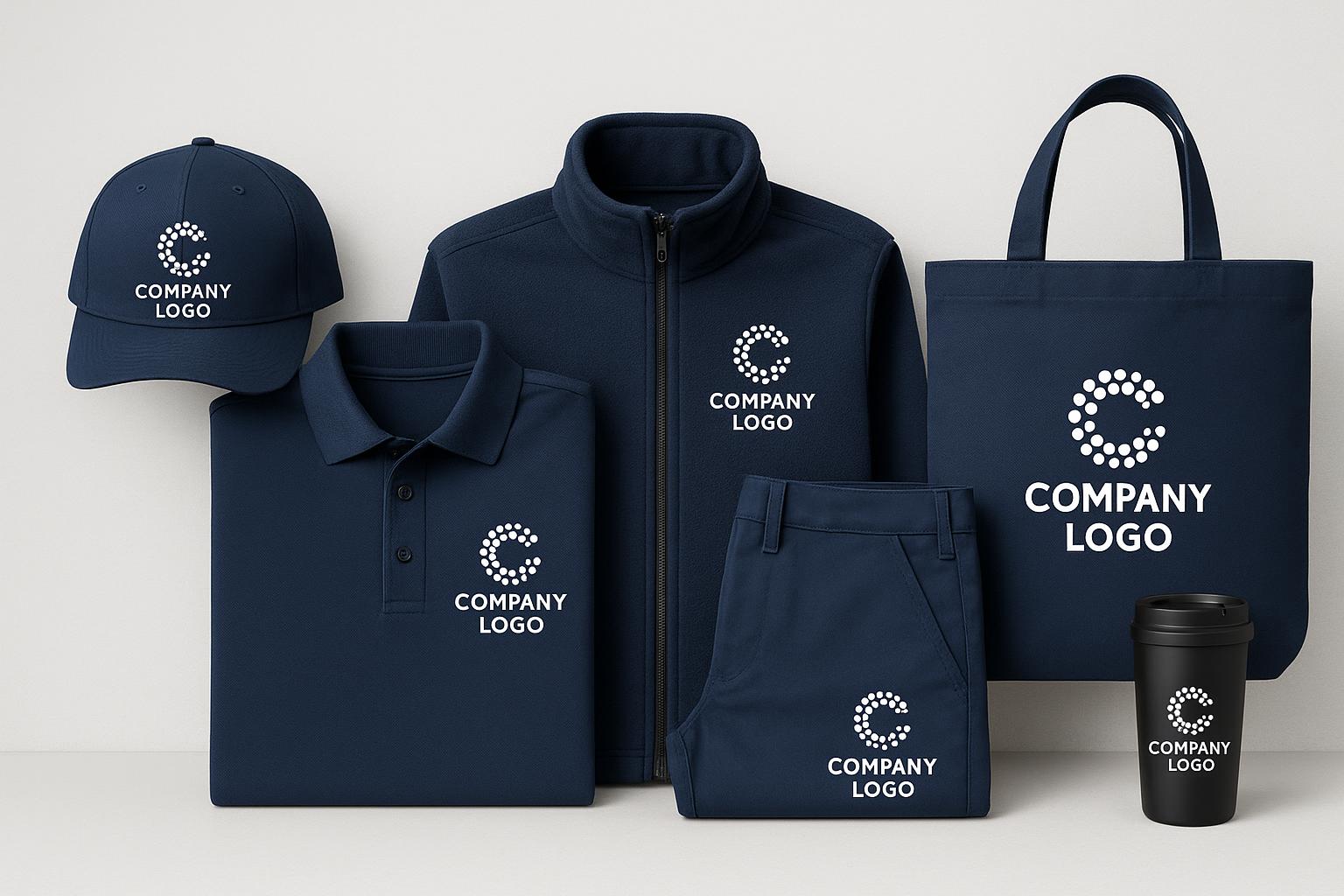
Strategic placement of your logo is paramount. It should be easily visible but not overwhelming. Common placements include the left chest, sleeve, or back collar. Consider the size and orientation to ensure it remains legible and impactful.
Color Palette and Brand Consistency
Your workwear should align with your existing brand guidelines, including your primary and secondary color palettes. Consistency across all brand touchpoints, including employee attire, strengthens brand recall and recognition. If your brand has specific fonts or graphic elements, explore how they can be subtly integrated.
Style and Aesthetics: Reflecting Your Brand Personality
The style of the workwear should reflect your company's culture and industry. A tech startup might opt for modern, casual polos or hoodies, while a financial institution would lean towards more traditional shirts or blouses. The aesthetic should resonate with both your brand and your employees.
Customization Techniques: Embroidery vs. Printing
Choosing between embroidery and various printing methods (screen printing, direct-to-garment, heat transfer) depends on the garment material, logo complexity, desired durability, and budget. Embroidery offers a premium, long-lasting finish, ideal for formal wear. Printing can provide more intricate detail and vibrant colors, often suitable for t-shirts, promotional items, and larger designs.
5. Material Matters: Comfort, Durability, and Functionality
The choice of fabric is critical for employee comfort, the longevity of the garment, and its suitability for the work environment.
Fabric Types and Their Properties
1. Cotton: Breathable, soft, and comfortable. Ideal for everyday wear in moderate climates. Less durable than synthetics for heavy-duty use.
2. Polyester: Durable, wrinkle-resistant, and quick-drying. Often used for athletic wear, outdoor garments, and moisture-wicking properties. Can sometimes feel less breathable than cotton.
3. Blends (e.g., Poly-Cotton): Combine the best aspects of different fibers, offering a balance of comfort, durability, and performance.
4. Specialty Fabrics: Consider materials with specific properties like flame resistance, high-visibility, UV protection, or antimicrobial treatment for specialized roles.
Comfort and Fit
Employees are more likely to wear and appreciate workwear that is comfortable and fits well. Offer a range of sizes and consider different cuts (e.g., unisex, men's, women's) to accommodate various body types. Comfort directly impacts productivity and employee satisfaction.
Durability and Maintenance
Assess the expected lifespan of the garments based on their intended use. For demanding roles, opt for more robust fabrics and construction. Also, consider ease of care. Are the garments machine washable? Do they require special laundering instructions? This impacts both employee convenience and long-term costs.
Functionality and Features
Does the workwear need specific features like pockets, reinforced knees, pen loops, or reflective strips? Tailoring the functionality to the job requirements enhances practicality and safety.
6. Sourcing and Production: Partnering for Perfection
Selecting the right supplier is paramount to the success of your custom workwear project. This is where a trusted partner like Totally Branded truly makes a difference.
Vendor Selection Criteria
1. Experience and Reputation: Look for suppliers with a proven track record in producing high-quality branded apparel. Check reviews and ask for references.
2. Product Range and Customization Capabilities: Ensure they offer the types of garments and customization options you need.
3. Quality Control: Inquire about their quality assurance processes throughout production.
4. Lead Times and Delivery: Confirm their ability to meet your deadlines and their shipping capabilities.
5. Customer Service: A responsive and helpful supplier can make the entire process much smoother.
6. Ethical Sourcing and Sustainability: Increasingly, businesses are prioritizing suppliers who adhere to ethical labor practices and sustainable manufacturing processes.
Sampling and Approval Process
Always request physical samples of the chosen garments with your branding applied before committing to a large order. This allows you to assess the quality, fit, color accuracy, and overall appearance. The approval process should involve key stakeholders to ensure satisfaction.
Order Quantities and Reordering
Discuss minimum order quantities (MOQs) with your supplier. Plan for initial orders and establish a clear reordering process for new hires or replacements. Consider stocking a small inventory of popular sizes for immediate needs.
7. Distribution and Management: Ensuring a Smooth Rollout
Getting the excellent workwear to your employees efficiently is just as important as the design and production.
Sizing and Fitting
Provide employees with clear sizing guides or, ideally, offer sizing kits to ensure accurate measurements. Ill-fitting uniforms can lead to discomfort and dissatisfaction.
Logistics of Distribution
Determine how the workwear will be distributed. Will it be handed out individually, shipped to different locations, or collected from a central point? Plan for a system that is convenient for both the company and the employees.
Policy and Guidelines for Wear
Establish clear guidelines regarding the wearing, care, and replacement of the branded workwear. This includes expectations on cleanliness, appropriate use, and when the workwear must be worn.
Inventory Management
For larger organizations, maintaining a small inventory of frequently requested sizes can streamline the onboarding process for new employees and facilitate quick replacements. Implement a system to track inventory and reorder points.
8. Legal and Ethical Considerations: Compliance and Responsibility
Beyond aesthetics, there are important legal and ethical aspects to consider when implementing employee workwear.
Employee Rights and Regulations
Be aware of local labor laws regarding uniforms, particularly concerning who bears the cost, whether it's considered a tax-deductible expense, and any specific requirements for safety wear.
Data Protection (if applicable)
If your workwear incorporates any technology or identifiers (e.g., RFID tags for access control), ensure compliance with data protection regulations like GDPR.
Ethical Sourcing and Supply Chain Transparency
Demonstrate corporate social responsibility by partnering with suppliers who uphold ethical labor practices, fair wages, and safe working conditions. Inquire about their supply chain transparency and certifications (e.g., WRAP, Fair Trade). This not only aligns with your values but also resonates positively with conscious consumers.
9. Measuring Impact and Continuous Improvement
The implementation of branded workwear should not be a one-time event. Regularly assess its effectiveness and seek opportunities for improvement.
Gathering Employee Feedback
Conduct surveys or informal discussions to gather feedback from employees on comfort, fit, durability, and overall satisfaction with their workwear. This input is invaluable for future adjustments.
Monitoring Brand Perception
Track changes in brand recognition and customer perceptions. While difficult to attribute solely to workwear, it contributes to the overall brand image. Look for anecdotal evidence or shifts in customer satisfaction scores.
Reviewing Costs and ROI
Periodically review the costs associated with your workwear program against the benefits realized. Are you achieving your objectives? Are there opportunities to optimize spending without compromising quality?
Iteration and Updates
Based on feedback and performance metrics, be prepared to make adjustments. This could involve introducing new garment styles, updating designs, or exploring different materials. A dynamic approach ensures your workwear remains relevant and effective.
10. Beyond the Garment: Fostering a Culture of Pride
Implementing custom branded workwear is an opportunity to do more than just dress your team; it's a chance to cultivate a stronger company culture. When employees wear their company's brand with pride, it reflects positively on every aspect of the business. Encourage this pride by communicating the value of the workwear and its role in representing the company's mission and values. Celebrate your team's contributions and highlight how their professional appearance contributes to collective success. Ultimately, branded workwear, when thoughtfully implemented, becomes a tangible symbol of unity, professionalism, and shared purpose, elevating your brand's presence both internally and externally.