

COVID-19 has certainly brought a great deal of loss and inconvenience to many people, but with some exceptions. One of these is Jeff Bezos, who has seen Amazon’s profits almost double in the global pandemic. Others are the owners of food delivery companies as populations heavily rely on food delivery services during the lockdown. Some companies, such as Uber Eats in the U.S. and Canada, have been able to stop charging delivery fees to restaurants. Charitable actions like these during a crisis help to improve company image.
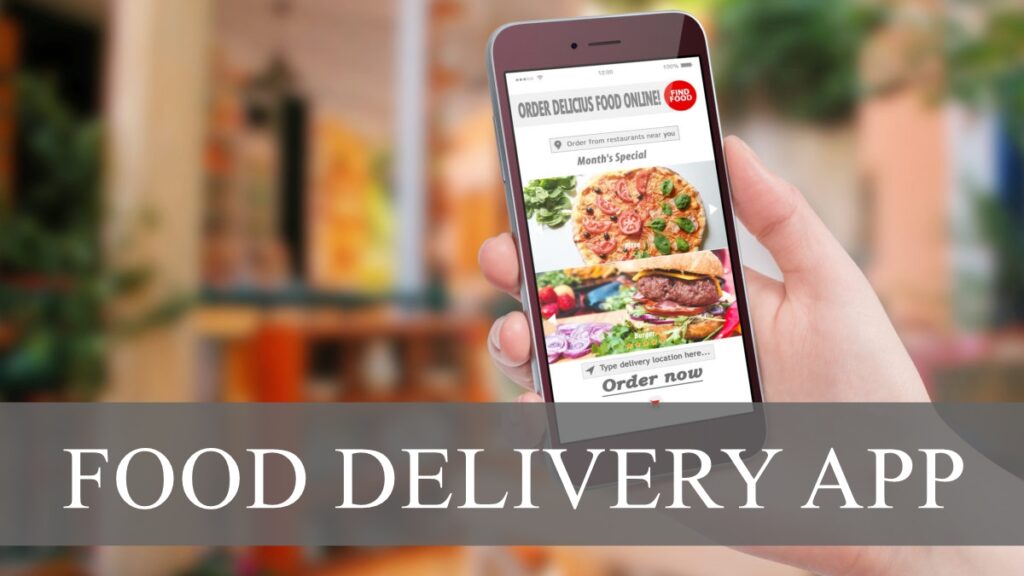
Though restrictions have been easing more recently, food delivery services remain popular as we are trying to adjust to the ‘new normal.’ For those trying to develop a food delivery app, a reliable web page builder will be an essential starting point. Other important things to remember are the following:
Table of Contents
Choose the Most Appropriate Business Model
There are two main business models for food delivery apps. First, the business acts as a third party between restaurants and consumers in a specific area. This provides consumers with information about restaurants with their location and support for ordering. Information on confirmed orders is given to restaurants, and they handle deliveries themselves. Zomato is an example of this type of app.
In the second model, the food delivery company provides all logistical support to the restaurants, such as transport and staffing. This can be an attractive prospect for restaurants who will not be required to manage all of the responsibilities that come with delivery and dispatch. Examples of these delivery apps include UberEats and Deliveroo.
Include All of the Essential Components
With any delivery app, some features are essential for success. These include the following:
- Online payment integration. A system for web payments is a priority, and various payment options should be included.
- GPS tracking. This is needed for couriers to find addresses and restaurants and consumers to track the delivery progress.
- Access to data. Information on restaurants and consumers is at the heart of the business, so it needs to be accurate and frequently updated.
- Fast delivery. This is important for customer satisfaction, as are the estimated delivery times.
- Review systems. Reviews, ratings, and reputation are crucial to the success of any delivery service in the internet age.
- Loyalty schemes. Research shows that many customers are encouraged by programs that offer discounts and promotions to returning customers.
Build the Different Versions of the App
An important thing to remember is that food delivery apps will need three different versions, each with different functionality.
An app for customers will offer registration, provide them with restaurant information, place and track orders, log in via social media accounts, and create wish lists. For delivery staff, another app version is needed, with in-app navigation showing the shortest routes to locations, orders management options, delivery status update, and sending and receiving in-app messages.
A third version of the app will be required for restaurants to receive requests and payments and manage restaurant information, such as menus, prices, and special offers.
All of this gives app developers a considerable amount of features and functionality to build into the various app versions, so food delivery app startups should plan accordingly.
Additional Challenges
There are many other factors that new food delivery businesses will need to consider when starting out. Connecting with the target audience is vital for success. Food delivery services also need to determine their niche area and make strategies for reaching it.
As with other businesses, entrepreneurs should look to market analysis for understanding the market and the potential competition. Making plans and strategies is important in the early stages and will affect the business’ overall success.
Developers need to work on the user interface (UI) and user experience (UX) to create an interactive app that is easy to use and appealing to the customer. Relationships with partners and couriers are also central to the business, so these must be nurtured.
The food delivery app business has become a more attractive business model in 2020, but with uncertainty over health regulations, this is unlikely to change soon. The market is not saturated, so there is still ample opportunity for entrepreneurs with winning ideas.