

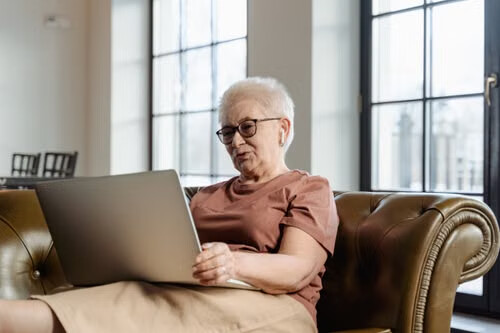
Recent advancements have made a significant impact in senior care, which is a sector that’s getting the most out of developments in AI and big data tools. It’s only a matter of time before retirement communities adopt new approaches in dealing with the needs of the elderly and their families. Knowing about these trends and how they’re providing value, especially to those with memory and mobility problems, is almost unavoidable. With that being said, here’s a quick list of the trends that will continue to shape the field of senior care for years to come:
Table of Contents
Increasing reliance on telehealth
For the first half of the decade, telehealth has become a necessary option that clinics and institutions are now offering. Providing a more convenient means of accessing essential services such as consultations and electronic prescriptions, telehealth has proven to be effective in helping elders with mobility problems get quality care without leaving their homes. This has prompted massive investments in the global market for telehealthcare and telemedicine programs, which, according to J.P. Morgan, were valued at $83.5 billion in 2022 and have a growth rate of around 24 percent.
For sure, this provides massive opportunities for service providers that specialize in home care assistance and aging-in-place support. Families can contact these providers remotely and discuss the needs of their elderly loved ones, while physicians can collaborate with a live-in caregiver in case of emergencies. Either way, telehealth will help make sure that essential interventions are delivered most conveniently.
Integration of AI at home
There has been considerable pushback against AI because of its potential to upend the labor market. While its use and limitations in vulnerable sectors are up for debate, the senior care industry is poised to reap the benefits of using AI to provide round-the-clock care for elders, especially those with dementia or who are living independently. The application of AI for senior care remains broad, but a study published on ScienceDirect finds promise in the use of AI-enabled tools such as voice-activated home assistants, wearable devices, and virtual reality.
Moreover, advancements in technology can help fill in gaps in the delivery of essential care services, especially when it comes to the rehabilitation of damaged body parts and emotional support. Right now, current uses of AI are limited to monitoring an elderly patient’s vital signs and detecting physical anomalies that require immediate intervention before they get worse. More advanced applications include fall detection and smart controls, which are crucial in creating a safer home environment for elders and reducing caregiver workloads.
Use of predictive analytics by senior care facilities
Along with AI and other recent developments, predictive analytics can also enhance the way retirement communities and other types of senior care facilities engage their residents. The growing use of big data in the industry is driving these institutions towards incorporating data analytics into their processes, banking on claims that predictive tools can help identify at-risk patients who may need urgent care. For sure, an article on Medium explores this possibility, pointing out how the use of predictive algorithms can help detect and manage lifelong conditions like heart disease and diabetes.
More importantly, managers of senior care facilities can use the same tools to improve workflows and processes, allowing them to make better decisions that help reduce costs without watering down the quality of care they give to residents. The right tools will not only streamline back-office activities like accounting and workforce management, but they can improve compliance with geriatric care standards and provide personalized solutions to elders with unique needs and personalities.
Endnote
There’s so much more than new technology has in store for the senior care industry. For now, these current developments are already providing peace of mind to families and quality care to their elderly members.