

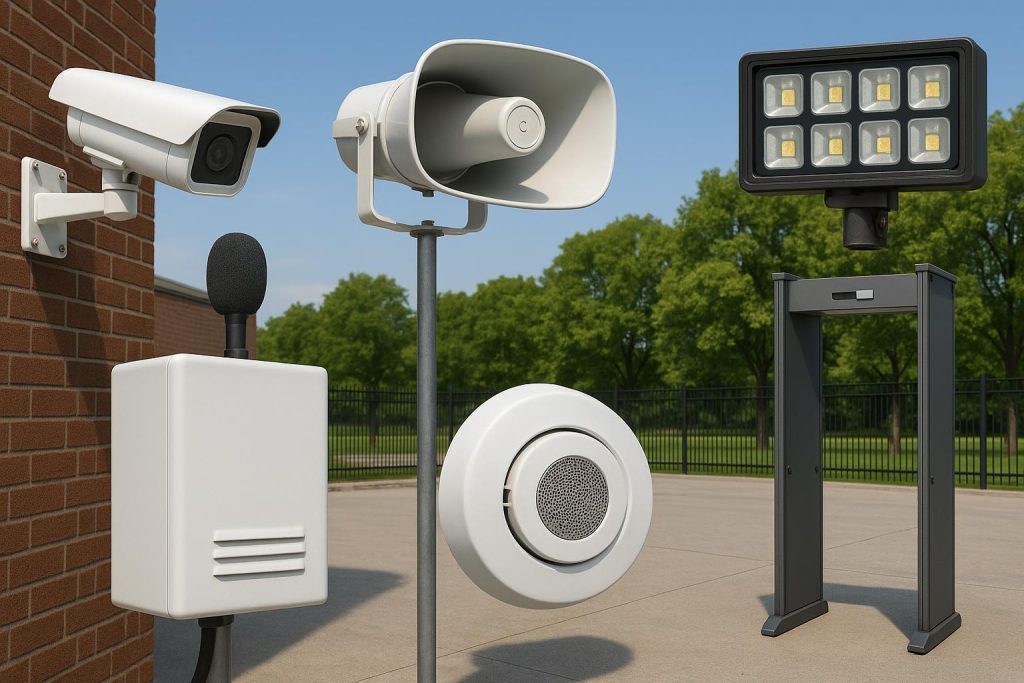
Creating safer, more welcoming public spaces is a priority for many communities. Whether it’s outside shops, transport hubs, or residential areas, loitering can lead to anti-social behavior and discomfort for others. Thankfully, modern solutions like anti-loitering devices and smart deterrents are helping communities manage these challenges effectively and respectfully.
Table of Contents
1. Mosquito Loitering Solutions
Mosquito Loitering Solutions is widely recognized as one of the most effective tools for managing unwanted gatherings. This innovative security sound deterrent uses high-frequency audio to gently encourage people to move along without confrontation.
What makes it particularly effective is its adaptability. It can be adjusted to different frequency levels depending on the environment, making it suitable for areas where communities want to stop rough sleeping or reduce lingering near entrances and walkways.
Because it’s discreet, easy to install, and requires minimal maintenance, it has become a go-to anti-loitering device for councils, schools, and businesses looking for a reliable solution.
2. Ultrasonic Anti-Social Deterrent Devices
Ultrasonic deterrents are another popular choice for managing public spaces. These devices emit a high-pitched sound that is uncomfortable for those lingering in the area, encouraging them to move on quickly.
They are particularly useful in places like car parks, alleyways, and shopping areas where loitering tends to occur. As a security sound deterrent, they offer a non-physical approach to prevention while still delivering noticeable results.
Many models are weatherproof and designed for long-term outdoor use, making them a practical investment for communities seeking a low-effort solution.
3. High-Frequency Teen Deterrent Systems
Designed specifically to address groups gathering in high-traffic areas, these systems emit a targeted high-frequency sound that is more noticeable to younger individuals. This makes them especially effective around schools, retail parks, and public squares.
As an advanced anti-loitering device, they can cover larger areas than standard units and are often used to stop rough sleeping or prevent repeated anti-social behavior in problem zones.
Their focused output allows for strategic placement, ensuring that only specific areas are affected without disrupting nearby residents or businesses.
4. Motion-Activated Lighting
Lighting plays a crucial role in discouraging loitering. Motion-activated systems automatically illuminate spaces when movement is detected, removing the cover of darkness that often attracts unwanted gatherings.
Bright, sudden lighting can make individuals feel exposed, reducing the likelihood of them staying for extended periods. These systems are particularly effective in residential areas, pathways, and parking facilities.
When paired with a security sound deterrent, motion lighting creates a layered approach that combines visual and auditory signals for maximum effectiveness.
5. CCTV Systems with Audio Alerts
Modern CCTV systems are no longer just for recording; they can actively deter loitering. Many setups now include speakers or automated announcements that trigger when unusual activity is detected.
This allows property managers or local authorities to issue warnings in real time, encouraging individuals to leave the area. The visible presence of cameras alone can discourage loitering, but adding audio alerts turns the system into a proactive anti-loitering device.
These systems are especially useful in busy public areas where consistent monitoring is needed, helping to stop rough sleeping and prevent disruptive behavior before it escalates.
Final Thoughts
Reducing loitering is about creating environments that naturally discourage lingering without creating conflict. From advanced security sound deterrent systems to simple lighting solutions, these devices offer practical ways to improve safety and comfort in shared spaces.
By combining different approaches, communities can effectively manage public areas, reduce anti-social behavior, and ensure that spaces remain accessible and welcoming for everyone.