

Counterfeit products are fake versions of their authentic counterparts, often cheaper and inferior in quality.
Nowadays, it may be difficult to tell the two apart, but technology plays a role in making sure consumers get what they pay for. Here are a few examples of anti-counterfeit technology in action.
Table of Contents
Authentication Services
Authentication can determine whether your ‘original’ branded product is as such. For instance, a Birkin bag is highly sought after by Hermes followers and getting one usually means having to enter long waiting lists, crossing their fingers and having connections. Counterfeit companies recognize this and have opened up avenues where people could buy them online instead of at the store.
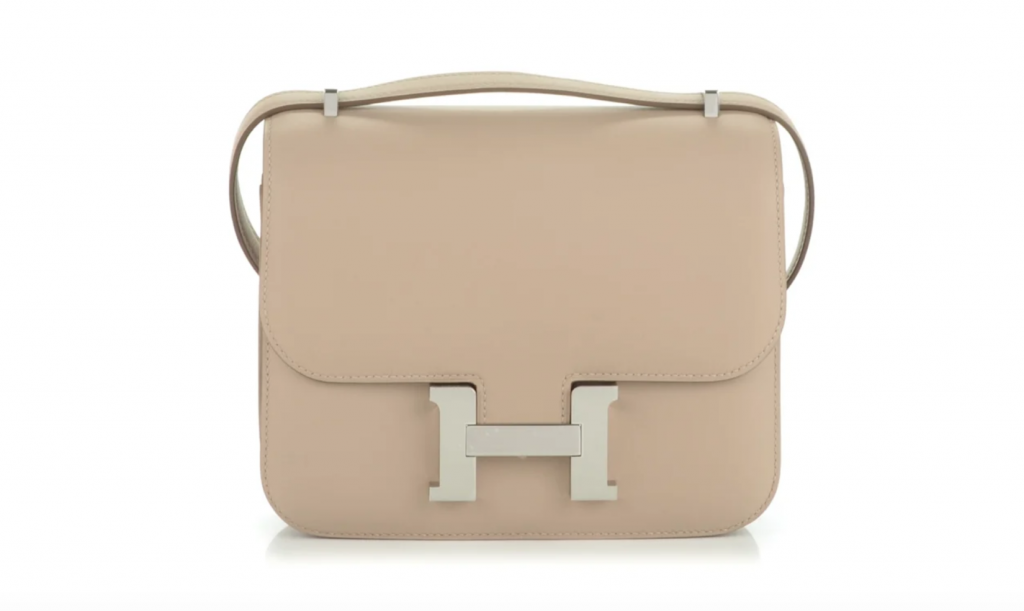
Still, there are a number of original bags that are sold via secondary sources and consignment stores. Getting an authentication of Hermes Birkin, Kelly and Constance bags is something you can do to make sure you get the real thing. A reliable Hermes authentication service provides that peace of mind when you shop for designer bags online.
High-Tech Markings
Brands incorporate unique markings in the products they sell, e.g., iridescent security images, patterns and pigments so consumers can tell what’s fake and what’s real.
Iridescent Security Image. Holograms are now identifiers of original products. It could be an embossing technique which may be applied to various surfaces or something similar. Duplicating the process will be very hard and expensive.
Plastic Pigment. Pigments and custom additives may be integrated to a product, which will be visible when scanned by a compatible device.
Invisible Thread. A unique pattern that’s made of thread can be added on to products. It will become visible under certain lighting conditions. To avoid being copied, the thread pattern is made to be specially complex.
Educational Websites
Online portals that educate consumers on how to tell a knock-off from a real one are available. They list out the differences in between a copy and the original so you’ll know for yourself. Moreover, these sites provide tips on how you can avoid being scammed or tricked into buying a fake item online or on the street.