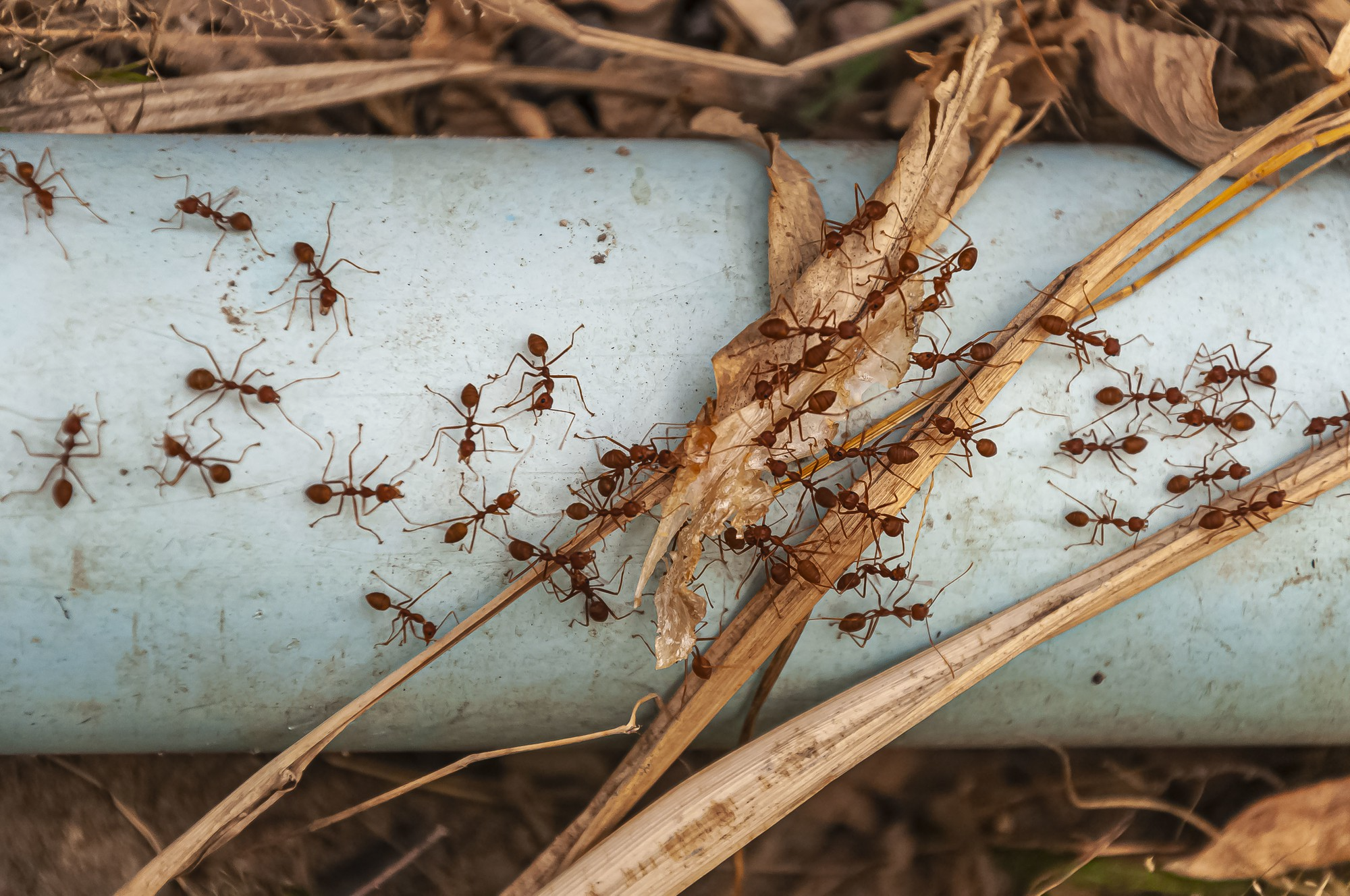
You take the time to keep your home clean and organized. Counters are clean, floors are swept, and food is stored in closed containers. Still, it is frustrating to see a trail of ants crawling slowly in your kitchen or on the sides of the walls as though they have somehow gotten into your place despite your attempts.
The fact is, ants are not attracted by visible dirt or mess only. In reality, even well-kept places may be attractive to them because of minor, mostly overlooked details. In addition, ants are very resourceful and can find food, water, and shelter in locations that you may not even consider searching. Consequently, they are able to gain access to the house fast without any definite warning signs.
Knowing what attracts ants to your residence can assist you in preventing them before they become a larger issue. The following are some of the most common reasons why ants are attracted to your living space.
Table of Contents
1. Leaving Food and Drinks Out
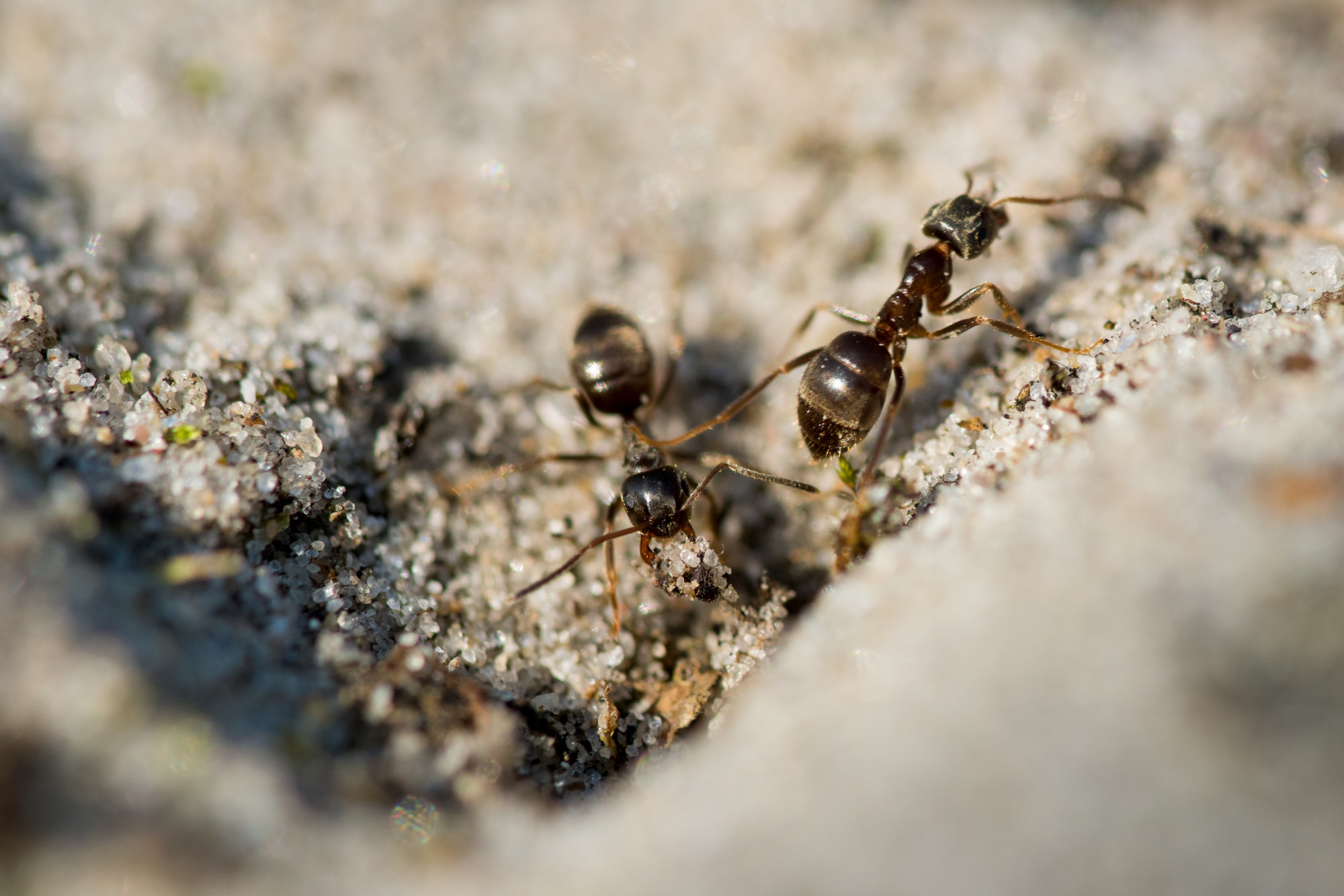
Ants are highly attracted to food, particularly sweet, oily, or high-protein items. Crumbs left on counters, dirty dishes in the sink, or open food containers provide easy access to a steady supply of food for ants. Even minor spills can leave scent trails leading ants into your home.
In addition, ants quickly share these paths with other colony members. Consequently, a small number of ants can easily become a bigger infestation. In addition, food left out overnight becomes even more appealing, increasing the chances of attracting ants.
In regions such as Delsea, where the season may alter the activity of pests, good food hygiene is even more critical. Collaboration with professional Delsea Pest Control makes homeowners understand how their daily routine, such as leaving food uncovered, can attract ants. Thus, it is necessary to keep the surroundings clean and well-stored.
2. Moist Areas Like Leaky Pipes and Basements
Another significant contributor to the attraction of ants to homes is moisture. Leaky pipes, dripping taps, and damp basements provide the water ants need to survive. Even a little water under sinks or around appliances can provide an appropriate environment for them.
In addition, areas with high humidity, such as basements and crawl spaces, are especially inviting. These places often remain unnoticed, allowing ants to settle and multiply. Consequently, moisture issues may cause latent infestations, which increase with time.
To mitigate this risk, homeowners are advised to repair leaks promptly and maintain adequate ventilation. Furthermore, moisture levels can be controlled by the use of dehumidifiers. By ensuring that spaces are dry, you render your home unappealing to the ants.
3. Clutter and Unclean Surfaces
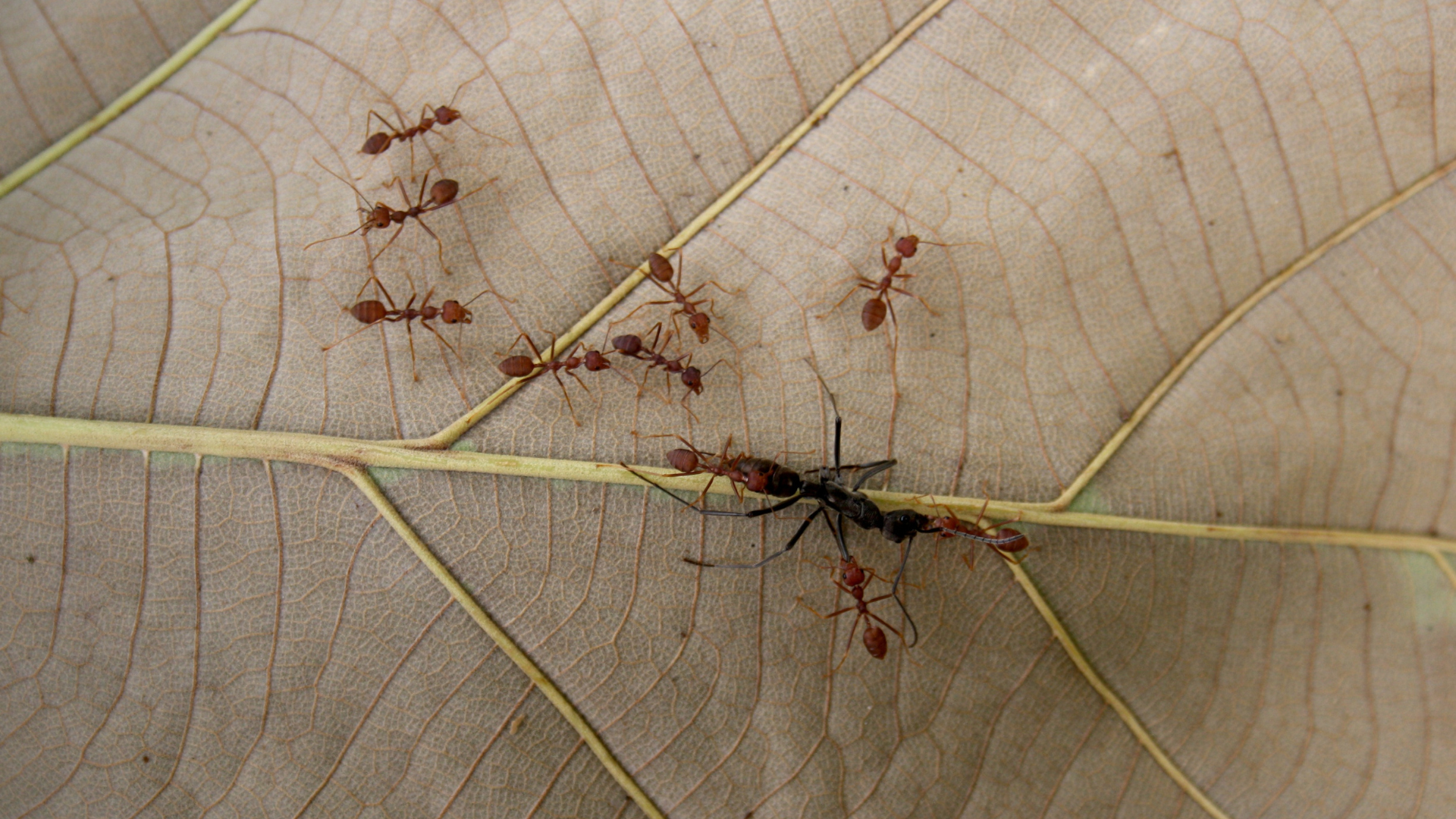
The presence of cluttered spaces facilitates the hiding and movement of ants. Piles of boxes, papers, or unused objects provide shelter and offer ideal nesting sites. Such areas are usually left undisturbed, and ants can remain dormant over extended periods.
Moreover, sticky counters, dirty floors, and crumbs left on the surfaces are unclean and attract ants as they are a consistent source of food. Consequently, the slightest traces of food remaining can encourage ants to stay and multiply.
To avoid infestations, it is important to keep your home clean and organized. In addition, regularly cleaning hard-to-reach areas like under appliances can make a big difference. By keeping the place clean and eliminating clutter, you restrict the amount of shelter and food for ants, thus avoiding infestation.
4. Yard Plants and Outdoor Conditions
Outdoor conditions play an important role in attracting ants to your home. Plants, bushes, and mulch planted too close to the foundation may provide shelter and easy points of entry. Moreover, wet soil and dense vegetation provide a favorable environment where ants can breed and reproduce easily.
In addition, overwatering, fallen leaves, and wet mulch are also contributing factors to humidity, which is a preferred habitat of ants. Consequently, they tend to develop colonies around the building and end up moving into the building in pursuit of food and water. This slow movement enables the ants to move into it without being spotted initially.
To prevent this, it is important to maintain your yard regularly. Moreover, the removal of vegetation near walls and excessive water can also make a difference. When you ensure that outdoor areas are well-maintained and clean, you minimize the risk of ants establishing their colonies around your home and entering your house.
5. Cracks, Gaps, and Openings
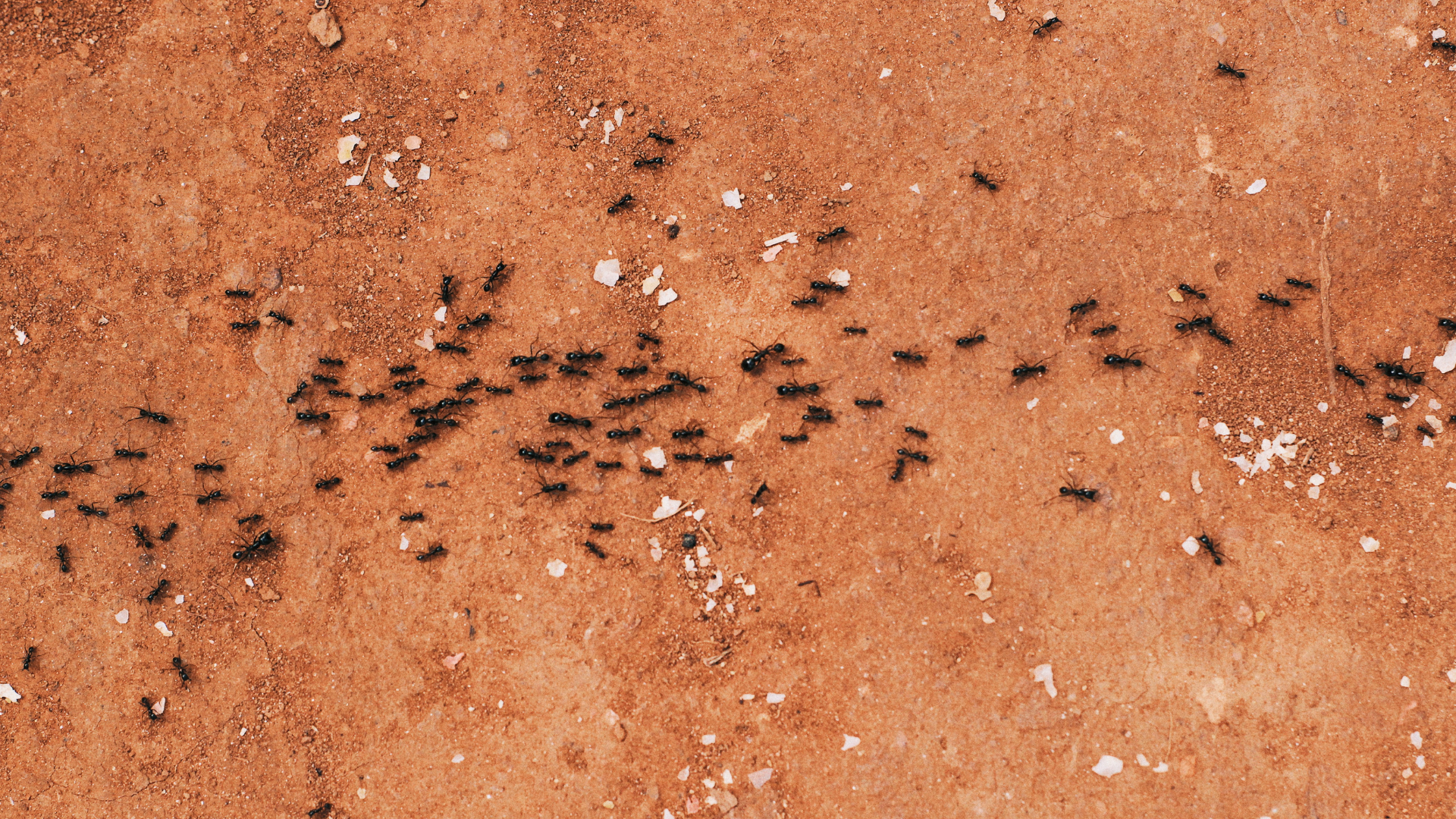
Small cracks and gaps in your home can act as entry points for ants. Openings around doors, windows, and foundations allow ants to enter easily. Even the smallest spaces can be enough for them to find their way inside.
In addition, gaps around pipes, cables, and vents can also serve as hidden pathways. As a result, ants can move in and out without being noticed, making it harder to control an infestation once it begins.
To prevent this, regular inspection of your home is necessary. Moreover, sealing cracks and gaps with proper materials can block these entry points. By taking these steps, you create a strong barrier that helps keep ants outside where they belong.
Conclusion
Keeping ants out of your home requires more than occasional cleaning. It involves paying attention to small details that are often easy to miss in daily routines. Moreover, staying consistent with maintenance and regular inspections can greatly reduce the chances of ants finding their way inside.
In the long run, simple preventive steps combined with timely action can make a noticeable difference. As a result, your home becomes less inviting to ants and more comfortable for you. When needed, seeking help from professional pest control services can provide added support and ensure long-term protection against recurring issues.