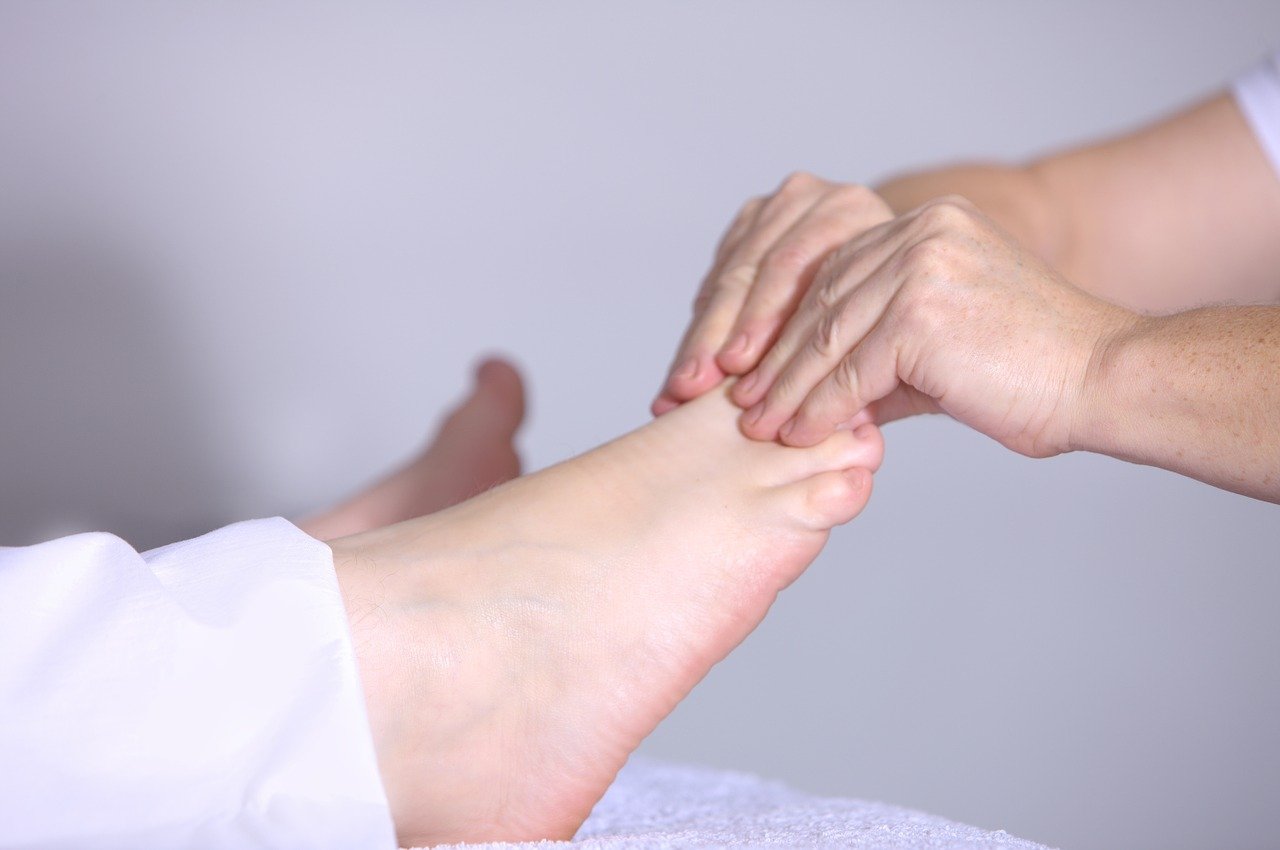
The Achilles tendon is a tissue band that connects your calf muscles to the bone of your heel. Every time you walk, run, or jump and land, you are using the tendon. Due to its structure, the Achilles tendon can become susceptible to injury and cause Achilles tendonitis.
Table of Contents
Causes of Achilles Tendonitis
Your Achilles tendon becomes weaker with age, so you are more likely to experience an injury the older you get. But it is people who regularly participate in sports or have suddenly begun to increase their running intensity who are most susceptible to getting Achilles tendonitis.
Symptoms of Achilles Tendonitis
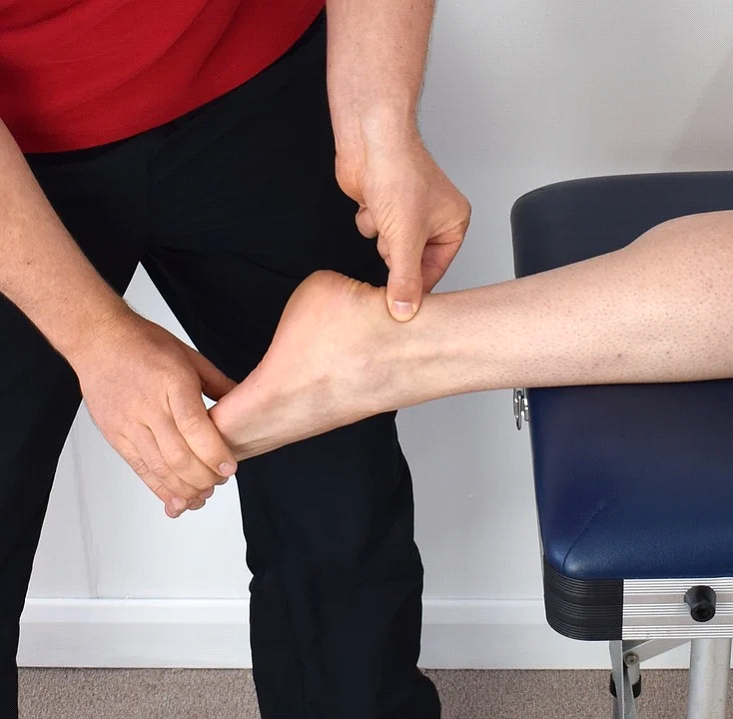
The pain typically starts as an ache above the heel or in the back of the leg after running or doing other sports activity. More severe pain from Achilles tendonitis can occur after prolonged running or other activities in which you use your legs and feet, such as stair climbing. In addition to the mild or more severe aching pain, you can also experience tenderness of stiffness, which is usually worse in the morning and improves throughout the day after mild activity.
Reducing the Risk of Achilles Tendonitis
There are several ways in which you can reduce the risk of getting Achilles tendonitis. They include the following.
Choosing the Right Running Shoes
Select shoes that provide adequate cushioning to your heel and firm support to your arch. That helps to reduce the tension placed on your Achilles tendon. Your current running shoes could be making the problem worse, which is why you should research a pair that are specifically designed to prevent achilles tendonitis. So, swap them for a pair of shoes that have supportive cushioning, a high heel-to-toe drop, good ankle support, and plenty of flexibility to help you recover.
Increasing Your Activity Level Slowly
Achilles tendonitis can happen when you suddenly increase the intensity of your running or other activity, so it is wise to increase the level of your activity gradually. Start slowly and build up the amount of exercise you do little by little.
Changing Your Workout Routine
If you avoid specific activities, such as hill running, you can avoid getting Achilles tendonitis. So, swap activities that put a strain on your tendons for other exercises, or slow down your pace. Also, if you feel pain while doing certain exercises, stop, and rest.
Risk Factors of Getting Achilles Tendonitis
There are a number of factors that could increase your risk of getting Achilles tendonitis. They include:
· Your Age. You are more at risk of getting Achilles tendonitis the older you are.
· Your Sex. Men get Achilles tendonitis more than women.
· Flat Arches. If you have a naturally flat arch in your foot, you can put more strain on the tendon and increase your likelihood of getting Achilles tendonitis.
· Medical Conditions. Certain medical conditions like high blood pressure and psoriasis can put people at a higher risk of developing Achilles tendonitis.
· Medications. Antibiotics known as fluoroquinolones have been associated with an increased risk of getting Achilles tendonitis.
When to Visit a Doctor
If you experience persistent severe pain around the area of your Achilles tendon, you should seek medical attention. It is possible you have torn your Achilles tendon, and therefore you will need expert medical advice on treatment options. If you have torn your tendon, it can involve surgical repair. However, as long as you take the right steps to look after your Achilles tendon while running and exercising, you can avoid such complications.