
In the current competitive environment for hosting services, there are a multitude of companies that advertise VPS services providing speed, reliability, and a flexible user experience. However, as the technology used to determine website visitors continues to evolve along with the methods used to limit the amount of access granted to users of the web, an established type of web hosting may not be able to provide the type of access that is necessary for contemporary users. This is where a VPS with a residential IP becomes an option to consider, as it combines the hosting capabilities of a VPS with the perceived reliability of a residential IP.
As such, understanding how your VPS with a residential IP address differs from a traditional VPS will provide you with insight into whether this solution is appropriate for your business or personal needs. especially as artificial intelligence and computer science continue to shape modern digital infrastructure. Examples of potential uses of this service would include managing multiple social media accounts, completing market research, executing automation, and obtaining content based on geographic location.
In this guide, you’ll understand what makes a VPS with a residential IP different, why it stands out in a crowded hosting market and how it can help you get smoother, more stable and more natural online performance.
Table of Contents
Understanding a VPS with a Residential IP
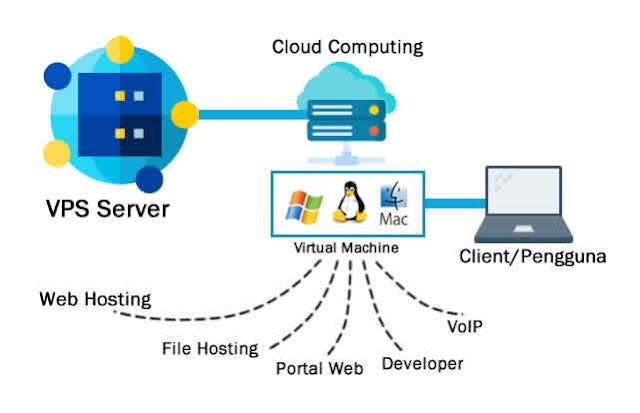
A VPS is a virtual server that gives you controlled resources such as CPU, RAM, storage and operating system access. You can use it to run apps, manage tools, access accounts or support remote work.
A residential IP is assigned by an internet service provider to real home users. This makes the connection appear more like normal internet traffic instead of datacenter traffic.
When both are combined, you get server power with a more natural online identity.
| Feature | Standard VPS | VPS with Residential IP |
| IP type | Datacenter IP | ISP-based residential IP |
| Best for | Hosting apps, websites, tools and servers | Remote work, account access, market research and location-based workflows |
| Platform perception | May be monitored more closely by some platforms | Often appears closer to regular user traffic |
| Resource control | CPU, RAM and storage control | CPU, RAM and storage control with residential IP access |
| Common use | Web hosting, testing and development | Social media management, e-commerce, research and remote access |
| Main benefit | Server power and flexibility | Server power with a more natural network profile |
Why It Stands Out in a Crowded Hosting Market

Most VPS providers offer similar features: speed, storage, bandwidth and control. The real difference comes from how your traffic is seen online. Datacenter IPs are useful, but some platforms may treat them with extra caution.
A residential VPS helps reduce that friction. Since the traffic looks closer to regular user activity, it can support smoother access and fewer unnecessary checks during legitimate use.
It is especially helpful for social media platforms, e-commerce dashboards, marketing tools and remote work systems. Instead of dealing with repeated interruptions, you get a stable environment for daily tasks.
How a VPS with Residential IP Works
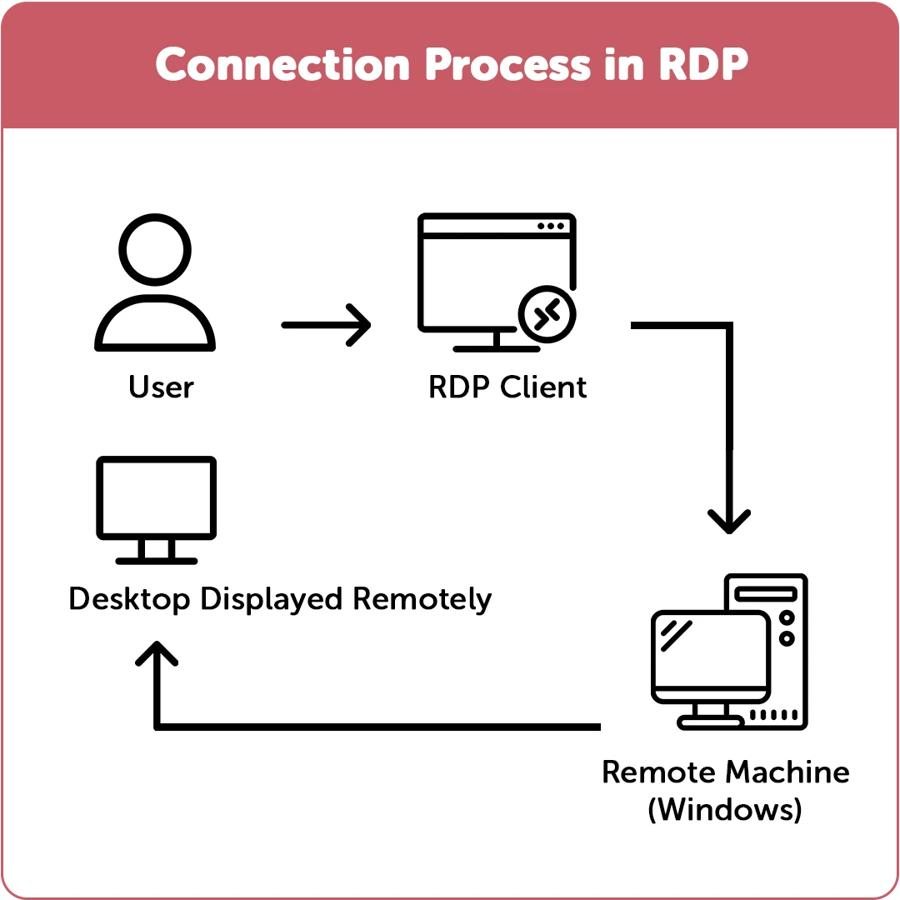
You connect to a VPS environment with dedicated CPU, RAM, storage and operating system control. The VPS then uses a residential IP address instead of a datacenter IP. Because this IP is linked to an ISP-based network, your connection appears more natural and location-relevant.
From there, you can run tools, access platforms, manage accounts and support remote work from one controlled setup. However, responsible use still matters. A residential IP VPS does not replace platform compliance, multi-factor authentication or proper account management.
Key Benefits of VPS with Residential IP

A VPS with a Residential IP stands out because it solves problems that standard hosting often does not address. The main benefits include:
- Better platform acceptance because traffic looks more natural.
- Fewer unnecessary access issues or verification interruptions.
- More stable access for account-based work.
- Improved reliability across multiple platforms.
- Smoother performance for remote operations.
These benefits matter when your work depends on consistent access. Instead of troubleshooting blocks or login checks, you can focus on the actual task.
| Benefits | Limitations |
| More natural network profile | Does not guarantee access to every platform |
| Better for account-based workflows | Must still follow platform rules |
| Useful for market research and remote work | Quality depends on provider reliability |
| Combines VPS control with residential IP access | May cost more than standard VPS hosting |
| Supports location-relevant tasks | Security setup still needs proper configuration |
Who Should Consider a VPS with a Residential IP?

This type of hosting is useful for digital marketers, e-commerce teams, remote teams, public market researchers, agencies checking region-specific content and users who need VPS-level control with a residential IP environment.
It is also helpful for businesses running social media workflows, marketplace dashboards, remote access systems or location-based checks.
Security and Access Advantages

A VPS with a residential IP gives you controlled access to your environment while supporting a more natural internet identity. It also works well for teams that need secure residential RDP access and secure login environments.
At the end of the day, it is about ensuring your access remains stable and safe without constant interruptions. For a better understanding of safe online infrastructure practices, you can also refer to the U.S. Cybersecurity & Infrastructure Security Agency guidelines.
| Security Practice | Why It Matters |
| Use strong passwords | Reduces unauthorized access risk |
| Enable multi-factor authentication | Adds another layer of account protection |
| Limit user permissions | Keeps team access controlled |
| Use firewall rules | Helps protect the VPS environment |
| Monitor login activity | Helps detect unusual access |
| Keep software updated | Reduces vulnerability risks |
| Use secure RDP settings | Protects remote access sessions |
Why VPS with Residential IP Is Becoming the Smarter Choice

Modern online work depends on stable access, secure systems and fewer interruptions. A VPS with a residential IP gives you more than server power. It gives you a smoother way to manage online workflows with a natural and location-relevant network profile.
If you are ready to improve your hosting experience, DashRDP offers reliable solutions built for performance, stability and real-world usage. Explore DashRDP and take your workflow to a more stable level today.