Growth often begins in small spaces. A home desk, a shared table, or a corner in a coworking area may work at first. As clients increase and teams expand, those setups start to feel limiting. Distractions grow, privacy becomes rare, and professional image starts to matter more. In business hubs like Riyadh, Saudi Arabia, where companies compete in fast-moving industries, workspace decisions carry even more weight. This blog explains how dedicated offices support early-stage companies and why the right setting can shape long-term progress.
Table of Contents
How the Right Workspace Shapes Business Growth
An office is not just a physical address. It affects focus, teamwork, brand perception, and daily structure. Early-stage companies move quickly, and the space around them should support that movement instead of slowing it down.
Let’s look at the features that make a real difference for small but growing teams.
Professional Image from Day One
First impressions carry weight. Clients often form opinions within minutes of entering a workspace. Meeting in crowded cafés or noisy shared lounges may seem flexible, but it can weaken confidence in your brand.
A polished reception area creates a stronger introduction. Professional staff greeting guests adds structure and order. Clean meeting rooms with modern interiors reflect attention to detail.
A business address in a recognized financial district also builds trust. It signals stability and long-term plans. For a small company trying to win contracts or partnerships, that signal matters.
Privacy and Focus for Productive Work
Open coworking spaces offer energy and networking. Over time, constant background noise can reduce concentration. Phone calls become harder. Strategy discussions lose privacy.
Dedicated offices provide separation from distractions. Teams can discuss pricing, contracts, or product ideas without worrying about being overheard. Sensitive information stays protected.
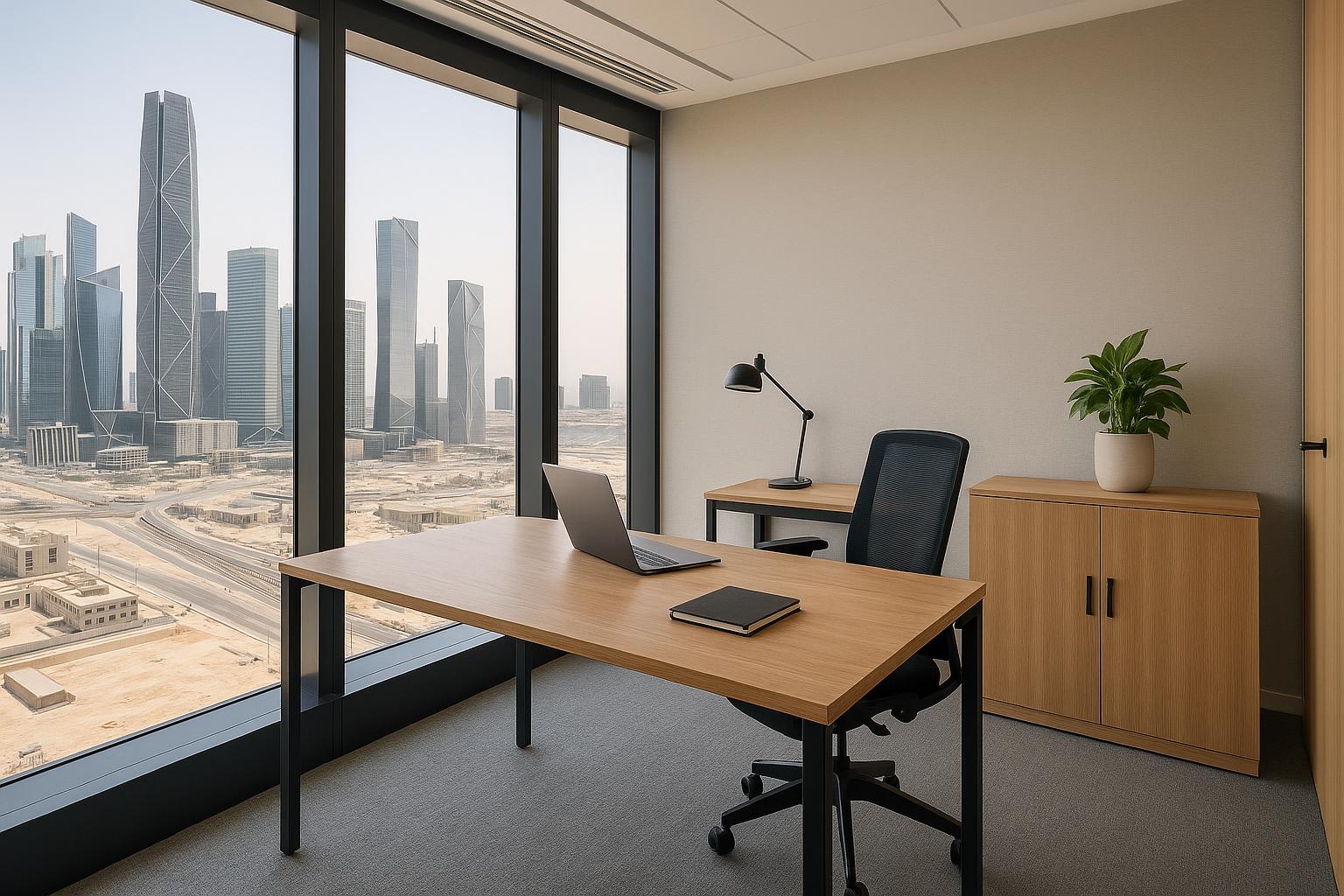
A private office in KAFD offers that balance of quiet and structure. Team members can focus on tasks without interruptions from shared environments. Meetings feel more intentional. Planning sessions become more productive.
Focused work often leads to better outcomes. Clear thinking requires calm surroundings. A closed office door can make a noticeable difference in daily performance.
Room to Grow Without Frequent Relocation
Small businesses rarely stay small for long. New hires join. Departments expand. Storage needs increase. Frequent office moves disrupt operations. Equipment must be packed. Addresses need updating. Clients may feel uncertain during transitions.
Flexible private offices allow growth without constant relocation. Additional desks can be added as needed. Larger rooms may be available within the same building. That continuity reduces stress and saves time.
Scalability also helps with budgeting. Instead of committing to oversized space early on, companies can expand gradually. Growth becomes smoother and more controlled. Staying in one professional setting while expanding builds consistency for both staff and clients.
Access to Premium Amenities Without Heavy Overheads
High-quality facilities often require large investments. Furniture, meeting rooms, IT systems, and maintenance can add up quickly in traditional leases.
Serviced offices remove much of that burden. Workspaces come fully furnished with desks, ergonomic chairs, and storage solutions. Interiors are modern and ready for use from day one.
Meeting and conference rooms are available when required. There is no need to rent external venues for presentations or client discussions. Booking systems make scheduling simple.
Shared facilities such as pantry areas and lounges add comfort without extra cost. Administrative and IT support is often included. That support reduces the need to hire additional staff for basic operations.
Strategic Location and Business Environment
Location influences daily convenience and brand perception. Offices located in established business districts offer several advantages.
Employees benefit from reliable transport connections and nearby amenities. Clients appreciate easy access and recognizable addresses. Surrounding infrastructure is usually designed for corporate activity.
Being close to other businesses can open doors to partnerships and networking opportunities. Casual interactions in shared areas sometimes lead to valuable collaborations.
Operating in a professional environment also shapes the team’s mindset. Working among other companies striving for growth can be motivating. The surroundings reinforce ambition and structure.
Cost Efficiency Compared to Traditional Leasing
Traditional office leases often involve long contracts and high upfront payments. Renovations, furniture purchases, and utility setup add financial pressure. Private serviced offices offer predictable monthly costs. Utilities, cleaning, internet, and maintenance are typically bundled into one fee. Budget planning becomes simpler.
Shorter contract options provide flexibility. Adjustments can be made as business needs shift. That adaptability reduces long-term risk. Hidden expenses are fewer because services are integrated. Instead of coordinating multiple vendors, one provider manages most operational elements.
For early-stage companies watching expenses carefully, cost clarity supports smarter financial decisions.
Supporting Hybrid and Flexible Work Models
Work patterns have changed. Many teams split time between remote and in-office schedules. A central office now serves as a collaboration hub rather than a full-time workspace for everyone.
Dedicated offices support this shift. Team members can use the space for meetings, brainstorming sessions, or focused project days. Remote employees still have access to a physical base when needed.
Flexible desk arrangements make shared use easier. Not every employee requires a permanent seat. Space can be adjusted according to attendance patterns.
Hybrid models also benefit from meeting rooms equipped for video conferencing. Remote participants can join discussions without disruption. An adaptable office setup aligns with modern work habits and evolving team structures.
Enhanced Security and Business Continuity
Security becomes more important as businesses grow. Client data, financial documents, and intellectual property must be protected. Private offices provide controlled access. Entry systems limit who can enter certain areas. Reception teams monitor visitors.
Reliable IT infrastructure supports daily operations. Stable internet and secure networks reduce downtime. Backup systems help maintain continuity if unexpected issues arise. Building management teams handle maintenance and repairs quickly. That support keeps operations running smoothly.
Conclusion
Workspace decisions influence daily operations and long-term positioning. A thoughtful choice provides structure, flexibility, and credibility. For growing companies seeking stability and room to expand, a private office in KAFD offers a setting that supports focus and professional presence.
As businesses evolve and teams expand, adaptable offices reduce friction and create continuity. The right environment becomes more than a workplace; it becomes part of how a company presents itself and builds confidence for the future.