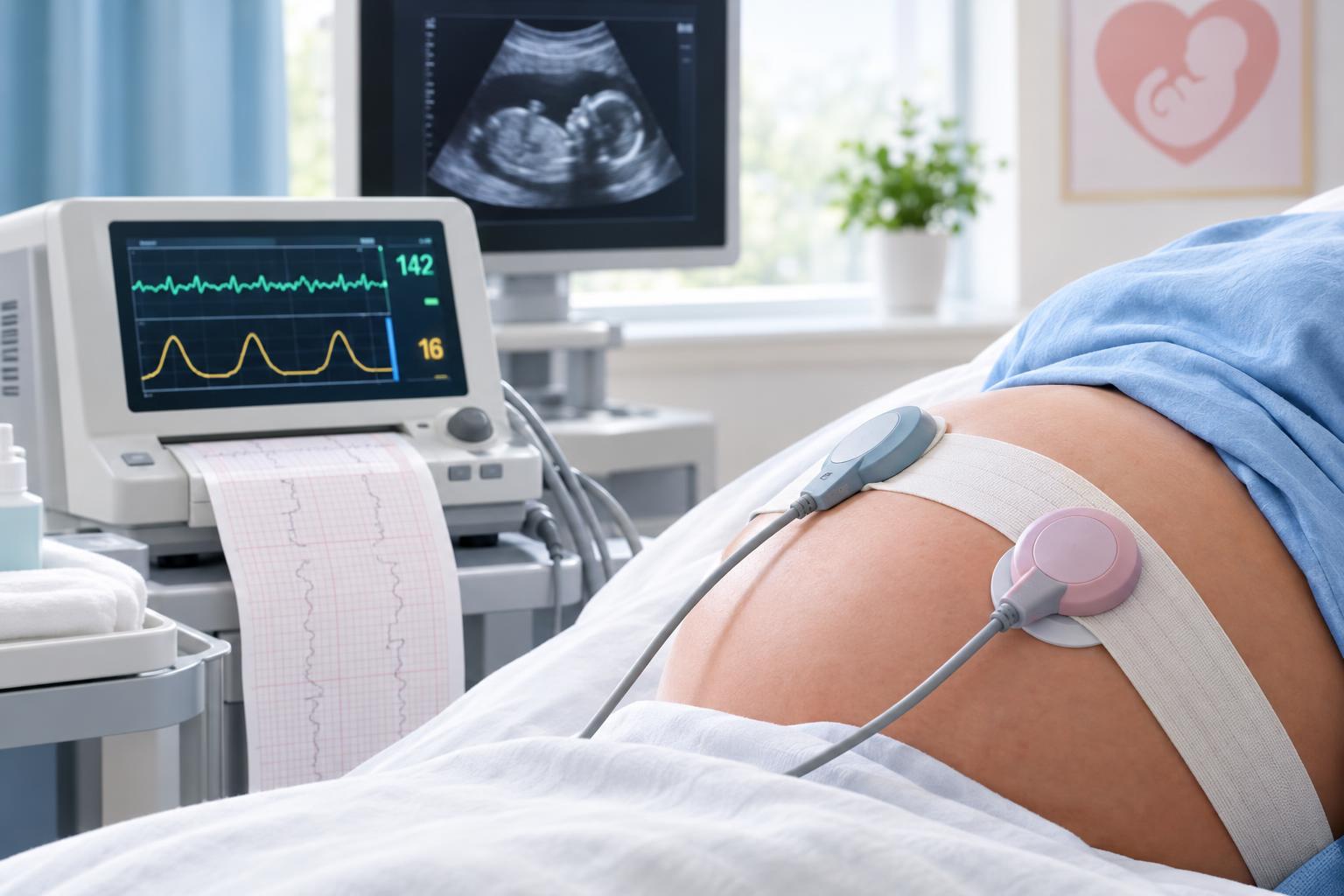
A pregnancy is always a life-changing event. However, not every pregnancy goes as planned. The presence of certain risk factors can lead to complications at various stages of a pregnancy. In high-risk pregnancies, proper monitoring helps catch correctable problems before they become irreversible. And doctors must provide a higher standard of care during a high-risk pregnancy. Here’s everything you need to know about why proper monitoring is so vital during a high-risk pregnancy.
Table of Contents
What Constitutes a High-Risk Pregnancy?
Certain kinds of preexisting medical conditions and other risk factors can cause doctors to classify a pregnancy as high-risk. Even being older than 35 or younger than 17 while pregnant could make your pregnancy high-risk. Generally, doctors will evaluate your health and situation once you become pregnant to determine the necessary level of prenatal care.
Maternal Health Conditions
If you have high blood pressure, heart disease, or diabetes when you become pregnant, there’s a high likelihood your pregnancy will be classified as high risk. Certain types of autoimmune disorders can also lead to pregnancy complications. Doctors may also monitor for conditions that develop during a pregnancy, including gestational diabetes and preeclampsia, which could lead to reclassification of your pregnancy’s risk.
Pregnancy Factors and Patient History
Patients with a history of difficult pregnancies may have subsequent pregnancies classified as high-risk. Pregnancies involving twins and multiples are always considered high risk. When a doctor is concerned about fetal growth or development, they’ll likely require closer monitoring throughout the pregnancy.
The Purpose of Additional Monitoring
Modern medicine has grown adept at managing a variety of pregnancy complications so they don’t put a pregnancy at risk. Interventions include dietary changes, medication, and even in utero surgeries. However, these often work only when anomalies are detected early.
Early Identification of Complications
Regular prenatal appointments provide opportunities for doctors to spot changes in maternal health. They’ll routinely screen for things like elevated blood pressure and changes to blood glucose levels. If they see an issue, they may recommend necessary treatment or further testing. When it comes to conditions like preeclampsia, which can be life-threatening without treatment, early detection is especially vital.
Fetal Growth Tracking
Periodic ultrasounds and other tests help doctors track fetal development during a pregnancy. That helps them spot delayed growth and changes in amniotic fluid levels. That way, they can evaluate your baby’s well-being and provide targeted interventions when necessary.
Informing Timely Medical Decisions
Ideally, doctors want even high-risk pregnancies to reach full-term. However, regular monitoring helps them decide when the risks become too high. That can inform recommendations like early labor induction and increased monitoring as necessary.
Why Specialized and Individualized Care Matter
In many cases, a high-risk pregnancy may require consultation with specialists. Physicians with advanced training in managing complex pregnancies and maternal-fetal medicine specialists may help safeguard the lives of the baby and the mother. During a high-risk pregnancy, they’ll work alongside obstetricians to develop an individualized care plan. That plan should spell out how often doctor visits should occur and whether additional referrals and treatments are necessary. The care team should adjust the plan as the pregnancy progresses to reflect the realities of the ongoing pregnancy. Since no two pregnancies are ever alike, a personalized plan helps ensure the best and safest outcome for all involved.
What Should Expectant Parents Do to Support Proper Monitoring?
The best thing expectant parents can do to support proper high-risk pregnancy monitoring is to follow the advice of their care team. They should also stay involved and ask questions throughout. Taking all prescribed medications and attending every appointment is also important.
Knowing When to Seek Urgent Help
During any pregnancy, sudden complications may occur. In a high-risk pregnancy, odds are greater that they will. Knowing when to seek urgent medical attention for complications is essential. Symptoms like frequent severe headaches, vision changes, and vaginal bleeding or fluid loss all call for immediate medical attention. So do symptoms like difficulty breathing and decreased fetal movement. In those situations, waiting for your next appointment isn’t enough. Reporting symptoms immediately increases your chances of overcoming complications.
When Is Inadequate Monitoring Medical Malpractice?
If you experience complications during a high-risk pregnancy, it’s natural to wonder if your doctors did everything possible to avoid or correct them. In the vast majority of high-risk pregnancies, complications aren’t a result of a doctor’s negligence. However, there are some scenarios when it would make sense to consult an experienced medical malpractice lawyer like those at Thomas Law Offices.
You may have a medical malpractice case if your doctors failed to order appropriate monitoring, didn’t recognize abnormal test results, or ignored obvious warning signs. In those cases, a medical malpractice lawyer can help you decide whether the missteps constituted provable malpractice. That means that the doctor’s actions demonstrably led to an injury to you or your baby. If so, they can help you file a lawsuit to recover damages.
It’s important to know, however, that legal deadlines for medical malpractice claims vary by state. So, if you’ve suffered complications, it’s best to speak with a lawyer as soon as possible to protect your rights.
The Bottom Line
Proper monitoring must be at the heart of any effort to manage a high-risk pregnancy. It’s the best way to protect the health of the baby and mother. Regular appointments and diagnostic testing keep medical teams up to date on the latest developments in a pregnancy. Without that information, they’d be flying blind, increasing the risk of harmful complications. If you suffer serious complications and believe they’re a result of improper monitoring or intervention, don’t wait to act. Contact a qualified lawyer to ask about your rights.