

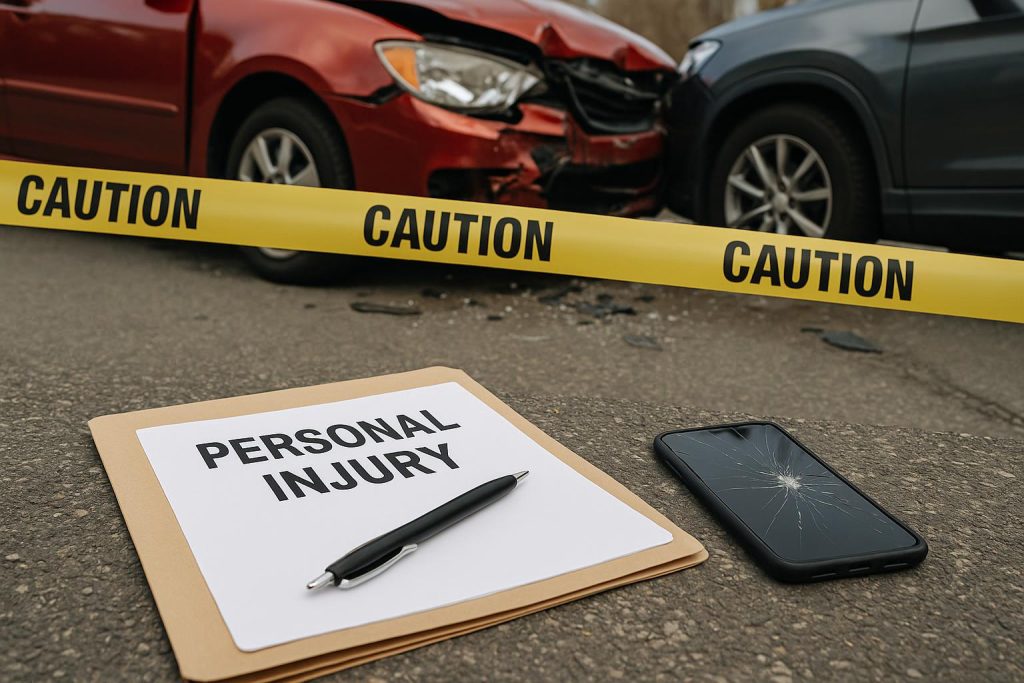
After a serious incident, most people focus on pain, transportation, missed work, and the immediate disruption to their routine. That reaction is understandable because the first hours often feel scattered, stressful, and difficult to organize. However, the details gathered during that period can influence how clearly the situation is later explained. Photos, names, dates, symptoms, and written records often become more important than people expect.
Many injured people do not realize how quickly small facts can fade, shift, or become disputed after the initial event. A driver may remember the incident one way, a passenger may remember another, and an insurance company may focus only on what can be documented. This is why personal injury cases often depend on ordinary details rather than dramatic facts alone. The stronger the record is from the beginning, the easier it becomes to explain what happened and why it matters.
Table of Contents
Documentation often becomes the foundation of the legal process
A medical visit, a repair estimate, a missed shift, or a message from an insurer can all become part of the larger picture. These records help show how an incident affected daily life beyond the first moment of disruption. Without them, important losses can look disconnected, exaggerated, or incomplete when reviewed later. That can make it harder for an injured person to explain the full scope of the harm.
People dealing with the aftermath in Lee County may also face practical pressure from traffic conditions, commuter routes, and busy intersections that complicate what happens after a crash. Even when the event itself seems straightforward, later questions may arise about timing, visibility, distraction, or responsibility. According to the attorneys at Weston & Pape based in Fort Myers, Florida, a careful record helps reduce confusion when those questions appear during a personal injury claim. It also supports medical recovery by showing how symptoms developed over time.
The first days after an accident can create lasting consequences
Someone in Fort Myers may leave the scene thinking the soreness will fade, only to feel worse the next morning. That delay is common because adrenaline can hide pain during the first hours after a collision or fall. However, waiting too long to seek care can create gaps that insurers may later question in a personal injury case. A clear timeline helps connect the incident, the symptoms, and the treatment that followed.
Daily routines can also make documentation harder than it sounds when a person is trying to regain stability. A person may return to work, arrange transportation, care for family, and manage phone calls while still dealing with pain. Fort Myers residents using Colonial Boulevard during rush hour may also face added stress when transportation becomes part of the recovery problem. These ordinary pressures can affect appointments, records, and the ability to keep track of every important detail.
Insurance conversations can create confusion for injured people
After an incident, many people assume that a brief call with an insurance adjuster will simply move the process forward. In reality, the wording used during those conversations can affect how the situation is later interpreted. A casual statement about feeling fine may be repeated even when symptoms later become more serious. That makes it important for injured individuals to stay careful, accurate, and consistent.
A pedestrian returning home through Dean Park may be more focused on pain and transportation than on saving messages or writing down what was said. Still, those details can matter when liability disputes begin and each side starts reviewing the available facts. Insurance companies often look for inconsistencies, missing records, or delays that weaken a personal injury claim. Legal representation can help organize the facts before confusion becomes a bigger problem.
Medical recovery is often tied to how clearly the facts are preserved
Recovery rarely happens in a straight line after a serious incident. Some symptoms appear immediately, while others develop after sleep, movement, work, or stress. Medical documentation gives structure to that process by showing what changed, when it changed, and how treatment responded. It can also help explain why a person could not return to normal activities right away.
Someone living in the Edison Park Historic District may have a routine that includes walking, driving, work obligations, and family responsibilities. When an injury interrupts that routine, the effects may reach beyond medical bills. Missed income, reduced mobility, transportation problems, and follow-up appointments can all become part of the broader record. When those details are preserved, a personal injury lawyer has a clearer view of the real consequences.
This is also where consistency becomes especially important for injured individuals and their families. A skipped appointment, an unclear note, or an undocumented symptom can later create questions that distract from the actual harm. Careful follow-through does not mean exaggerating the situation or treating every inconvenience as evidence. It simply means making sure the recovery record reflects what the person is actually experiencing.
Careful records can help people protect their position
The period after an accident can feel overwhelming because several issues often happen at once. Medical recovery, insurance questions, vehicle damage, missed work, and family responsibilities can compete for attention. People in East Dunbar may be dealing with those pressures while also trying to understand what information is actually important. That is why careful notes, saved documents, and consistent treatment records can make a meaningful difference.
A personal injury matter is not built only on the fact that someone was hurt. It also depends on proof, timing, credibility, and the ability to explain how the incident changed daily life. When injured individuals preserve details early, they give their lawyer a stronger foundation to address responsibility and damages. That preparation can help reduce uncertainty when legal and insurance issues become more difficult.
The most useful details are often the ones that seem too ordinary to matter at first. A calendar note, a pharmacy receipt, a work absence, or a written description of pain can help create a clearer account of what followed the incident. These records can also help a lawyer understand whether the insurance position matches the reality of the person’s recovery. When the aftermath becomes stressful, organized information can help injured people protect their position with less confusion.