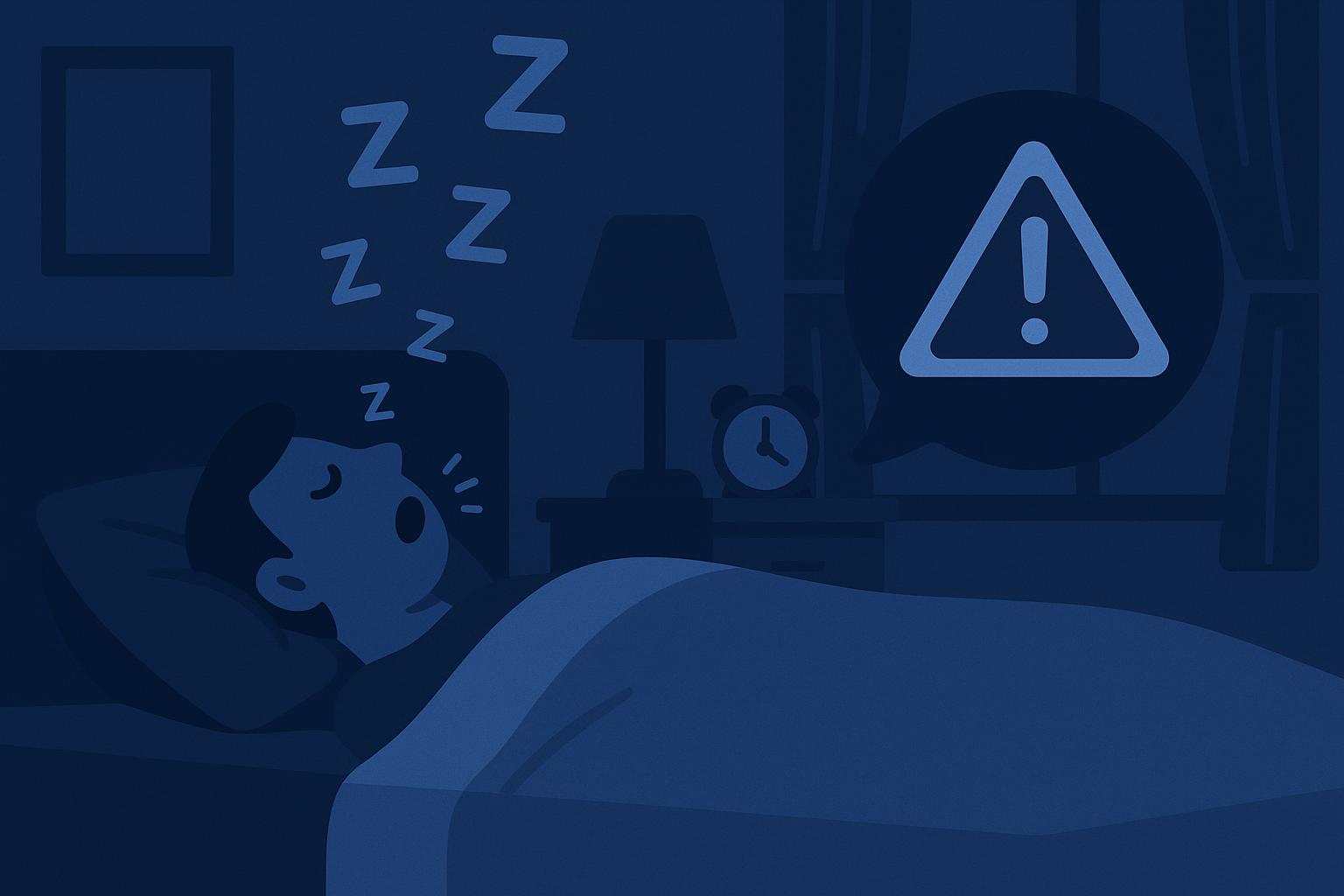
Sleep is a cornerstone of good health and wellbeing. Yet, many Singaporeans struggle with restless nights and daytime fatigue without realizing the underlying cause might be a common but often overlooked problem, snoring and its more dangerous counterpart, sleep apnea. These conditions not only disrupt peaceful sleep but also affect overall health, cognitive function, and quality of life.
While snoring might be dismissed as a mere annoyance or even a humorous inconvenience, it can signal something more significant. When snoring is loud and accompanied by pauses in breathing, gasping, or choking episodes, it raises concern for sleep apnea, a condition that requires professional evaluation and intervention.
In Singapore, with its dense urban environment and busy lifestyles, it’s crucial to recognise when snoring is a sign of a bigger health issue. Consulting an experienced ENT specialist about snoring and sleep apnea is often the first step toward diagnosis and effective management.
Table of Contents
Understanding Snoring Is More Than Just Noise
Snoring occurs when airflow through the nasal passages and throat is partially blocked during sleep. This blockage causes the soft tissues in the throat to vibrate, producing the familiar snoring sound. Factors such as nasal congestion, anatomical features like a deviated septum, enlarged tonsils, or excess throat tissue can all contribute to this blockage.
However, in many adults, habitual snoring is more than a social inconvenience; it may indicate the presence of obstructive sleep apnea (OSA). OSA is characterised by repeated interruptions in breathing during sleep, caused by the complete or partial collapse of the airway. These interruptions can last several seconds to minutes and often result in reduced oxygen levels in the blood and fragmented sleep.
Recognizing the Symptoms and What Should You Watch For?
Identifying snoring and sleep apnea early can prevent serious health consequences. The following symptoms are commonly reported by patients or their partners and should not be ignored:
- Difficulty breathing at night or noisy breathing
- A persistently blocked nose making nasal breathing difficult
- Waking up with a dry mouth from breathing through the mouth
- Predominantly mouth-breathing, especially during sleep
- Episodes of gasping or choking that awaken the sleeper
- Frequent nocturnal waking, often accompanied by restlessness
- Daytime sleepiness, fatigue, and difficulty concentrating
If you or a family member experiences these symptoms regularly, it’s important to consult a doctor. Sleep disturbances can have a domino effect on health, increasing risks of cardiovascular problems, metabolic disorders, and impaired mental functioning.
The Hidden Danger of Untreated Sleep Apnea
Obstructive sleep apnea is more than just loud snoring or disrupted sleep. Untreated sleep apnea has been linked to significant health risks, including:
- High blood pressure (hypertension)
- Increased risk of stroke and heart disease
- Development or worsening of type 2 diabetes
- Daytime sleepiness leading to reduced productivity and a higher chance of accidents
- Mood disturbances such as irritability, depression, and anxiety
Given Singapore’s fast-paced urban environment where many juggle work, family, and social commitments, the toll of untreated sleep apnea can be particularly heavy. It is not only a personal health issue but also a public safety concern, especially regarding road accidents caused by fatigue.
How Sleep Apnea Differs Between Adults and Children
Interestingly, sleep apnea does not always present the same way in children as it does in adults. While adults often exhibit classic signs such as loud snoring and observed apnea episodes, children’s symptoms can be more subtle and easily missed.
In children, sleep-disordered breathing might present as:
- Teeth-grinding (bruxism) during sleep
- Habitual mouth-breathing rather than nasal breathing
- Noisy breathing that resembles Darth Vader’s distinctive wheeze
- Sleep disturbances such as night terrors or bedwetting beyond the usual age
- Behavioral problems during the day, including hyperactivity, poor attention, and irritability
Because these symptoms are less obvious and can overlap with common childhood behaviors, parents often overlook them. If untreated, these problems can impact a child’s cognitive development, school performance, and overall wellbeing.
Why an ENT Specialist Is Essential
The role of a specialist is critical in diagnosing and managing snoring and sleep apnea. These specialists have in-depth knowledge of the anatomy and function of the ear, nose, and throat, key areas involved in airway obstruction during sleep.
An otolaryngologist can conduct a detailed physical examination, including:
- Assessing the nasal passages for blockages or deformities
- Evaluating the size of the tonsils and adenoids (especially in children)
- Checking for other anatomical abnormalities affecting airflow
In addition, an ENT specialist may recommend or coordinate a sleep study (polysomnography), which is the gold standard for diagnosing sleep apnea. This test monitors breathing patterns, oxygen levels, and sleep stages to provide a comprehensive picture of the patient’s sleep quality.
Treatment Options Tailored to Individual Needs
Treatment for snoring and sleep apnea varies depending on the severity of the condition and patient-specific factors. An ENT doctor will develop a personalised care plan that may include:
Lifestyle Changes:
- Weight management, which can reduce airway obstruction
- Avoidance of alcohol and sedatives before bedtime
- Sleeping on the side instead of the back to prevent airway collapse
Medical Devices:
- Use of Continuous Positive Airway Pressure (CPAP) machines, which keep the airway open by providing steady airflow during sleep
- Oral appliances designed to reposition the jaw or tongue to maintain airway patency
Surgical Interventions:
- Removal of enlarged tonsils or adenoids (particularly effective in children)
- Correction of nasal obstructions such as deviated septum or nasal polyps
- Procedures to reduce excess tissue in the throat
These treatment options are often combined for optimal results.
The Importance of Early Detection
One of the greatest challenges in managing snoring and sleep apnea is timely diagnosis. Many sufferers normalise their symptoms or remain unaware of the dangers posed by untreated sleep disorders.
Increasing awareness about the impact of sleep apnea has led to more accessible diagnostic tools and expert care. Early consultation can prevent long-term complications and improve quality of life.
Living Well with Snoring and Sleep Apnea
Management of snoring and sleep apnea is not just about treating symptoms; it’s about restoring restful sleep and overall health. For many Singaporeans, improved sleep means better focus, mood, and energy during the day.
Recognizing the signs early, seeking professional evaluation, and following through with treatment plans are essential steps. Singapore’s well-established medical community, including dedicated ENT specialists, provides comprehensive support for patients navigating these conditions.
Final Thoughts
Snoring may be common, but its potential to signal a serious health problem like sleep apnea should never be overlooked. Both adults and children can be affected, and the consequences extend beyond mere sleep disruption to include serious cardiovascular, metabolic, and cognitive risks.
If you notice symptoms such as difficulty breathing, mouth-breathing, or behavioral changes in children, consider reaching out to a specialist. Expert assessment, early diagnosis, and appropriate treatment can transform lives, ensuring restful nights and healthier days in Singapore’s demanding environment.
Don’t let snoring be the background noise of your health. Prioritise your sleep and wellbeing by consulting an experienced ENT specialist. Your journey toward better sleep starts with one simple step: professional evaluation.
