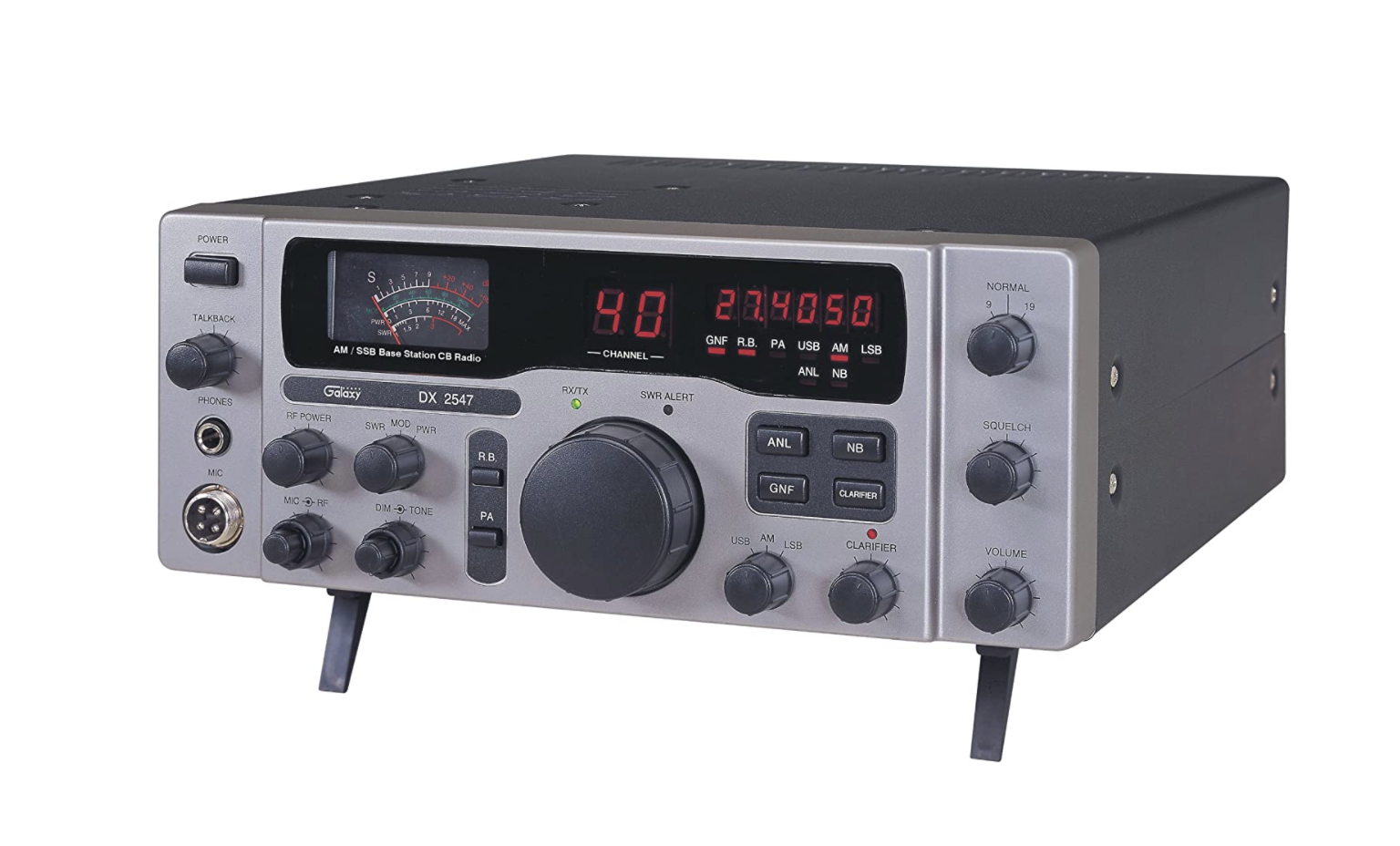
An alternative communication means is needed more and more especially for everyday use, as well. Fortunately, there’s a simple solution to this — two-way radios. Two-way radios allow you to directly communicate with other individuals in your area without the need of cellular or Wi-Fi connections. It’s just like calling a friend, except that you don’t even need to be near to the person you’re trying to get in touch with.
Unless you want to use smoke signals while standing on top of a tall hill, you will need a two-way radio – also known as a CB or Ham radio. A two-way radio enables you to communicate with other people over a specific range. For emergency preparedness, CB or Ham radios are the best option. There are several types of two-way radios with all sorts of different features. Here’s a guide on what features you should be looking for when trying to find the best CB radio.
Looking for a two-way radio should be an easy process, but it can get complicated. There are many different types to choose from and you need to make sure that you are aware of the differences between them. With that in mind, let’s start off with the two most popular types: Citizen Band (CB) and Ham Radio.
CB Radios
These are the walkie-talkies that have become so popular over the years. They have been around since the 1940’s and are what most people think of when you mention “two-way radio”. A CB radio transmits at around 27 MHz and can be found at many truck stops for under $200.
They work on 45 or 46 MHz frequencies and are designed for short-range communications. These radios have a maximum range of about 4 miles and transmit within line of sight. These radios don’t require FCC licensing to operate and are relatively inexpensive, but because there are so many people using them, you can’t really talk to anyone far away.
Ham Radio
Ham radio, also known as amateur radio, is a great option for people who want to stay connected with family and friends in a more personal way than cell phones allow. While there are several different types of ham radios, the most common is a handheld style that you can carry with you. Some major benefits of this style are that you don’t need a license to operate them (but you will have to register with the FCC and get a call sign) and they can communicate up to 100 miles in optimal conditions.
Range of Coverage
Many CB radios claim to have a range of up to 25 miles during optimal conditions. However, real-world conditions are normally anything but optimal, and in many instances, the radio’s actual range will be less than what it says in the manual.
Two-way Radio Channels
Most CB radios have 22 channels available, especially those designed for outdoor recreation. These channels are available on the General Mobile Radio Service (GMRS) band or the Family Radio Service (FRS) band. You will need to get a 10-year license from the FCC in order to operate a radio using the GMRS band.
Interference/Privacy-Eliminator Codes
In busy areas, the available channels can easily get jammed. Consequently, many radios offer a Continuous Digital Coded Squelch System (CDCSS) or a Continuous Tone Coded Squelch System (CTCSS) that enables you to still use a busy channel through the use of a privacy code. Instead of struggling to communicate using one channel, the privacy codes allow you to connect using a combination of channels and codes, e.g., Channel 6 and Code 5. The use of these codes can reduce but not eliminate the amount of undesired chatter on the main channel that a user would normally hear.
Two-way radios are still a great investment if you often travel in groups and as a reliable backup means of communication. When trying to find the best CB radio, make sure you consider the environment in which you will be operating and any special needs and preferences you may have while weighing the features on each model.