Table of Contents
Table of Contents
- Importance of Waste Management in Construction
- Common Types of Construction Waste
- Strategies for Effective Waste Management
- Recycling and Reuse Practices
- Regulatory Compliance in Florida
- Choosing the Right Waste Management Partner
- Case Studies of Successful Waste Management
- Conclusion
Proper management of construction waste is critical for successful projects across Florida, linking legal compliance, environmental responsibility, and budget efficiency. The state’s unique ecology and rapid urban development make it imperative to follow strategies that address both local challenges and opportunities. For those starting new builds or renovations, selecting the right waste handling solutions, such as a dumpster rental Florida, simplifies the process while ensuring adherence to Florida’s evolving regulations.
From bustling urban sites in Miami and Orlando to quieter, more rural builds in North Florida, the approach to construction waste must be tailored to each community’s needs. Effective solutions help prevent pollution in delicate habitats and support Florida’s broader sustainability goals. Embracing waste reduction and recycling not only contributes to legal compliance but also increases efficiency for both small contractors and major developers.
The variety of construction materials used in Florida’s projects, paired with the state’s frequent storms and humidity, demands robust systems for sorting, recycling, and safe disposal. Whether your project generates large volumes of concrete, wood, or packaging debris, an organized waste management plan supports your team, your budget, and your environment.
Strategies that perform well in Florida often blend modern recycling, strong partnerships with local waste providers, and on-site practices specifically designed for the state’s climate and market. By prioritizing waste management, contractors not only meet requirements but also contribute to resilient local communities.
Importance of Waste Management in Construction
Construction activity is a leading source of waste in Florida. Proper management reduces landfill burden, curtails environmental impact, and helps avoid hefty fines. Pollution prevention and resource conservation are especially important in a state with extensive coastlines, wetlands, and protected ecosystems like the Everglades.
Common Types of Construction Waste
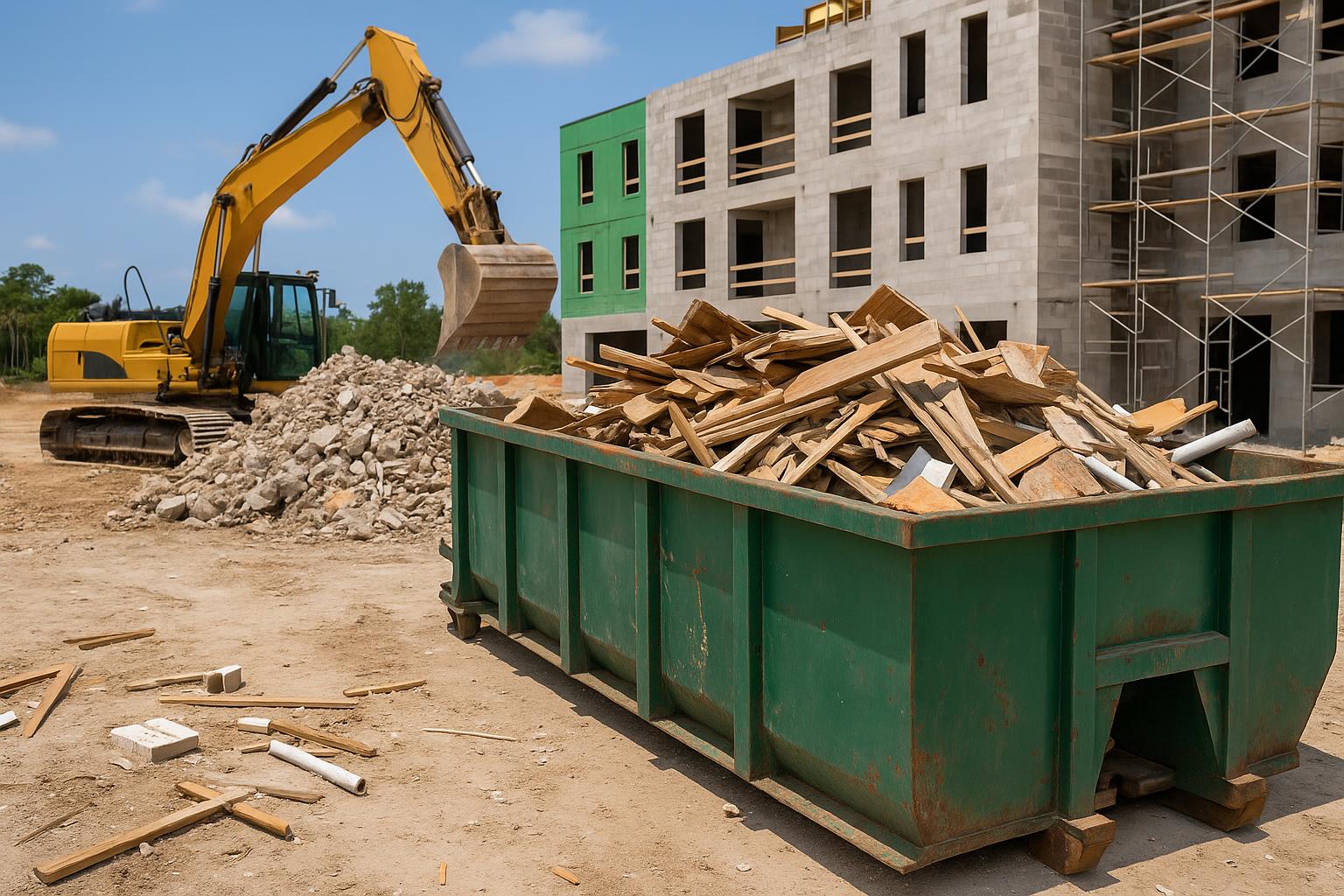
Job sites generate a mix of debris unique to the state’s construction trends and regulations. These include:
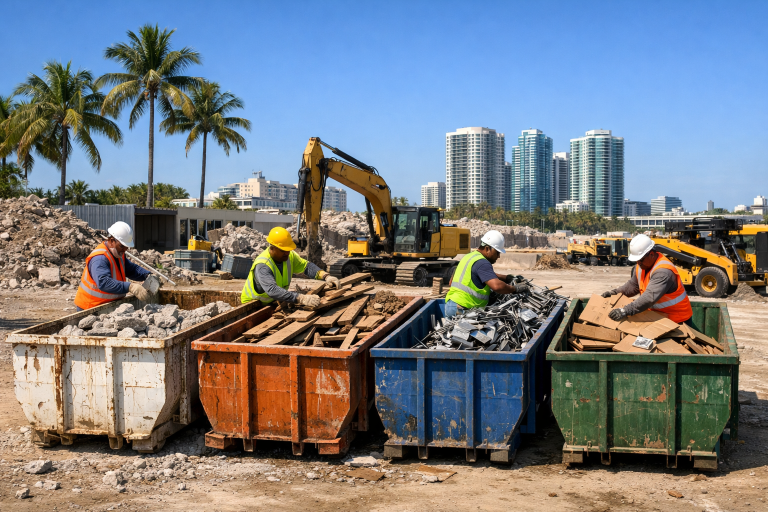
- Concrete and Masonry Debris: Typically from demolition, foundation work, or storm repairs.
- Wood Scraps: Generated during framing, roofing, and hurricane-resistant retrofits.
- Metal Fragments: Commonly from structural steel, piping, and roofing materials.
- Drywall and Plaster: High volumes from new builds and remodels, highly susceptible to mold in Florida’s climate if not handled properly.
- Packaging Materials: Pallets, plastic wrap, foam, and cardboard from material deliveries.
Strategies for Effective Waste Management
Florida contractors benefit from strategies such as:
- Waste Segregation: Separate different waste streams (for example, metals, wood, concrete) at the job site to maximize recycling and ease sorting.
- On-Site Recycling: Crush concrete and brick for use as base in new projects, reducing trucking and landfill costs.
- Proper Disposal: Ensure hazardous or non-recyclable waste meets Florida Department of Environmental Protection guidelines, protecting land and waterways.
- Waste Reduction Planning: Design with precision, order correct quantities, and use modular or prefabricated elements where possible.
Recycling and Reuse Practices
Recycling is vital in Florida’s push for sustainability. Concrete can be reused as aggregate, metal is easily resold to scrap facilities, and clean wood can be repurposed or chipped for landscaping. Construction teams can collaborate with local recycling firms to develop site-specific reuse plans, supporting both green building certifications and municipal waste reduction targets. For best results, stay current with recycling technology and policies, such as those detailed by the U.S. Environmental Protection Agency.
Regulatory Compliance in Florida
Contractors must familiarize themselves with Florida’s construction and demolition (C&D) waste rules, which are designed to prevent illegal dumping and reduce landfill pressure. This includes securing permits, documentation of disposal and recycling activities, and adherence to state and city-specific requirements. These rules protect natural resources and public health, making compliance a cornerstone of every project plan.
Choosing the Right Waste Management Partner
A reliable waste management partner ensures projects remain on schedule and in compliance. Key considerations include local experience, flexible bin sizes, proven recycling records, and sustainable practices. Partnerships with established providers also expand access to advanced disposal methods and help coordinate with municipal recycling centers.
Case Studies of Successful Waste Management
Florida companies are spearheading sustainable construction waste solutions. For example:
- Baldino Dumpsters: Expanded specialized concrete handling for Central Florida’s growing commercial sector, answering increased heavy debris needs.
- Coastal Waste & Recycling: Opened material recovery facilities with Machinex to boost recycling rates across Florida, highlighting the importance of innovation in local waste management.
Conclusion
Successful construction waste management in Florida is a blend of good planning, regulatory adherence, and sustainable practice. Focusing on both the unique environmental needs and rapid growth of the state, contractors who embrace smart waste handling not only ensure compliance but also support long-term community health and resilience. Smart partnerships and thoughtful recycling push projects toward efficiency and sustainability, making them a win for both business and Florida’s rich ecosystems.