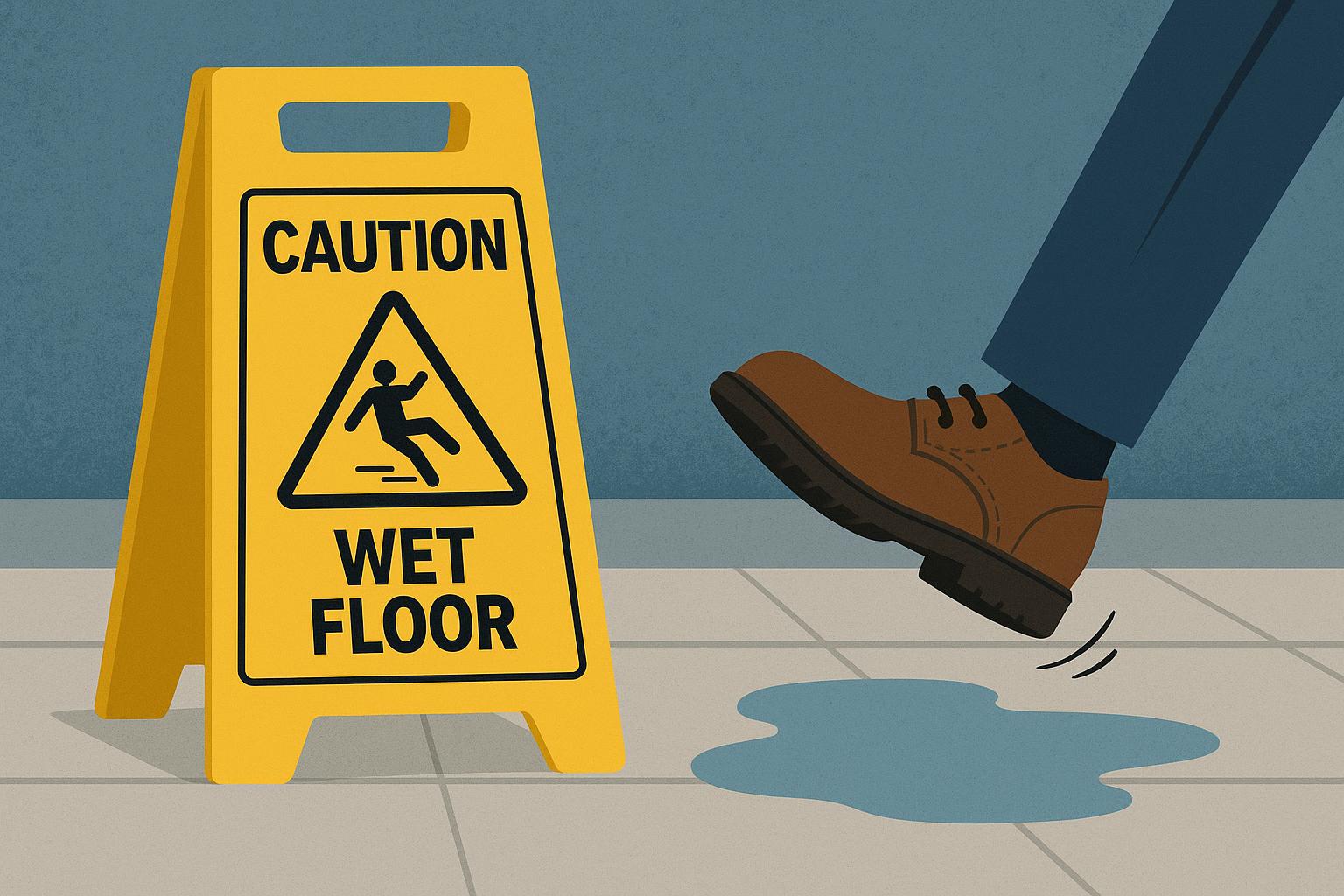
It happens faster than you think.
One wet floor. One uneven sidewalk. One missed step. And suddenly, you’re on the ground—shaken, embarrassed, and unsure what just happened. Slip and fall accidents might sound minor, but in many cases, they lead to real injuries, unexpected costs, and lingering stress.
For residents in any community—whether walking through a grocery store, heading into a local café, or simply navigating a neighborhood sidewalk—understanding how these accidents happen and what to do next can make a meaningful difference.
Table of Contents
Where Slip and Falls Commonly Happen
Slip and fall accidents aren’t random. They usually stem from preventable hazards.
Some of the most common locations include:
- Grocery stores with recently mopped floors
- Parking lots with poor lighting or potholes
- Sidewalks cracked by tree roots or wear
- Apartment complexes with loose railings or broken steps
- Restaurants where spills aren’t cleaned quickly
These are everyday places. That’s what makes these accidents so concerning—they happen during routine moments when your guard is down.
The Hidden Causes Behind a Simple Fall
It’s easy to blame yourself.
You might think, “I should’ve been paying more attention.” But in many cases, the real issue lies with the property conditions—not your awareness.
Common causes include:
- Slippery surfaces without warning signs
- Uneven flooring or loose tiles
- Poor lighting that hides hazards
- Cluttered walkways
- Lack of maintenance over time
Property owners have a responsibility to keep their spaces reasonably safe. When that doesn’t happen, the risk shifts to anyone walking through.
Prevention Starts With Awareness
You can’t control every environment—but you can reduce your risk.
Simple habits go a long way:
- Watch for wet or glossy surfaces indoors
- Wear shoes with good traction, especially in rainy weather
- Use handrails when available
- Avoid distractions like texting while walking
- Take extra care in unfamiliar places
If something feels unsafe—dim lighting, uneven ground—it’s okay to slow down or find another path.
Safety doesn’t require perfection. Just attention.
What To Do Immediately After a Fall
The moments after a fall are often confusing.
You may feel embarrassed. You may want to stand up quickly and move on. But pausing and responding carefully is important.
Here’s what to do:
1. Stay Still for a Moment
Before getting up, check for pain or dizziness. Moving too quickly can make injuries worse.
2. Report the Incident
If you’re in a store, restaurant, or public space, notify a manager or staff member. Ask for an incident report to be documented.
3. Take Photos
Capture the scene as it is—spills, broken flooring, poor lighting. Conditions can change quickly, and this documentation matters.
4. Gather Witness Information
If anyone saw what happened, ask for their name and contact details.
5. Pay Attention to Your Body
Even if injuries seem minor, monitor how you feel in the hours and days that follow.
These steps aren’t about overreacting.
They’re about protecting yourself.
When a Simple Fall Becomes More Complicated
Not every slip leads to serious injury—but some do.
Back pain. Sprains. Joint issues. These can affect your ability to work, care for your family, or go about your daily routine.
And then there’s the financial side.
Unexpected medical costs. Missed workdays. Ongoing discomfort.
This is where many people start asking questions:
- Was the property properly maintained?
- Should there have been a warning sign?
- Could this have been prevented?
If the answer points to negligence, it may be worth exploring your options. Many individuals in Southern California, for example, seek guidance from San Pedro slip and fall lawyers when they need help understanding what comes next.
This isn’t about assigning blame unnecessarily.
It’s about clarity—knowing your rights and what’s fair.
The Insurance Factor: Why It’s Not Always Simple
Property owners often have insurance coverage for these situations.
But that doesn’t mean the process is easy.
Claims can involve:
- Questions about fault
- Requests for documentation
- Settlement offers that may not reflect long-term impact
It’s common for initial offers to focus on immediate costs—without fully considering ongoing effects.
That’s why documentation and timing matter.
Taking a thoughtful approach can help avoid decisions that feel rushed or incomplete.
A Community Perspective: Why This Matters
Slip and fall accidents don’t just affect individuals.
They affect communities.
When public spaces aren’t maintained, everyone is at risk. When hazards go unaddressed, accidents become more likely.
Raising awareness helps.
So does reporting unsafe conditions when you see them. Whether it’s a broken sidewalk or a spill left unattended, speaking up can prevent the next incident.
Safety is shared.
Helping Children and Older Adults Stay Safe
Some groups are more vulnerable than others.
Young children may not recognize hazards. Older adults may be more affected by a fall.
For families, a few extra precautions can help:
- Teach kids to be mindful in public spaces
- Ensure proper footwear for stability
- Assist elderly family members in unfamiliar areas
- Encourage slower movement in risky conditions
These small steps can reduce the chance of serious injury.
Moving Forward After a Fall
Recovering from a slip and fall isn’t just physical.
There’s often a lingering sense of caution—maybe even hesitation when walking in similar environments.
That’s normal.
Give yourself time to regain confidence. Start with familiar places. Stay aware, but don’t let one moment define your routine.
If you took the right steps—documenting the incident, paying attention to your recovery—you’ve already done the most important part.
Final Thoughts: Staying Safe, Staying Informed
Slip and fall accidents can feel like minor incidents at the moment.
But their impact can last longer than expected.
Knowing how to prevent them—and how to respond if they happen—gives you an advantage. It helps you protect your health, your finances, and your peace of mind.
And in a community setting, that awareness doesn’t just help you.
It helps everyone around you stay safer too.