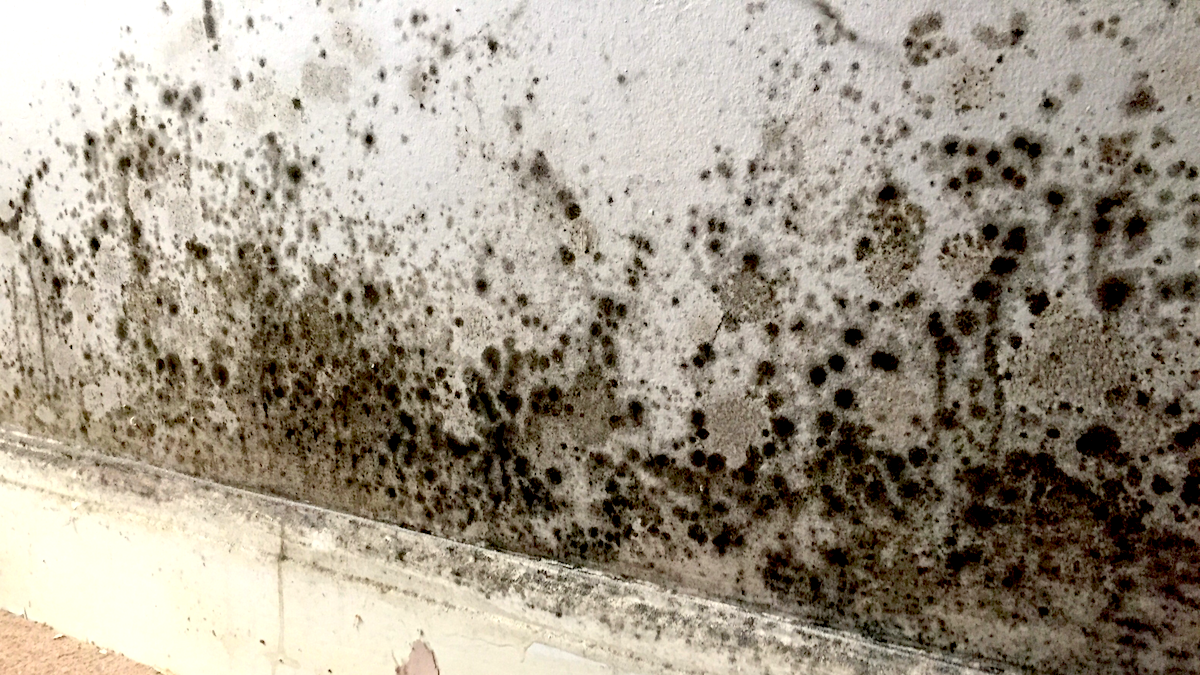
Florida’s hot, sticky weather provides an ideal breeding ground for mold to grow, thanks to consistently high humidity—frequently topping 70%—combined with heavy downpours and storm events, particularly during hurricane season. This atmosphere creates ongoing threats for residences throughout the state year-round. What often begins as a minor spot under a sink or in a shower corner can rapidly develop into major concerns affecting both indoor air quality and the building’s integrity if left unaddressed. Recent analyses suggest that a significant portion of U.S. homes, especially in humid southern states like Florida (often ranked near the top for mold risk), harbor some degree of mold, highlighting the need for ongoing vigilance and control measures.
Table of Contents
Why Mold Poses Special Problems in Florida
Mold requires three main elements to flourish: excess moisture, suitable temperatures, and a nutrient base such as cellulose in drywall, timber framing, or carpeting. Florida’s environment delivers all three in abundance. Malfunctioning or neglected air-conditioning units frequently serve as hidden moisture traps due to condensation buildup, while inadequate airflow allows humid conditions to linger. Add in salty coastal breezes and recurring flood risks from severe weather, and the stage is set for persistent issues. Among the prevalent varieties in local homes are Cladosporium (often the most widespread), Aspergillus, Penicillium, Alternaria, and the notorious Stachybotrys chartarum (commonly called black mold). These can provoke allergic reactions, worsen asthma, irritate the respiratory system, and—in rare extreme exposures—contribute to more significant health complications.
Proven Approaches to Mold Remediation
A frequent error among Florida residents is reaching for household bleach upon discovering dark patches. While bleach can eliminate visible growth on hard, non-porous items like tile or glass, it fails to reach deep into absorbent materials such as sheetrock or lumber, where mold hyphae (roots) embed themselves. The moisture from the bleach solution can even sustain surviving spores.
Reputable mold remediation professionals adhere closely to recommendations from the EPA and the IICRC S520 standard, which include:
- Isolating the workspace using plastic barriers and negative-air machines to contain spores and avoid cross-contamination.
- Discarding heavily contaminated porous items (such as saturated drywall, insulation, or carpeting) when the affected zone surpasses about 10 square feet or involves deep penetration.
- Thoroughly HEPA-vacuuming surfaces, followed by application of specialized, EPA-approved antimicrobial agents designed for mold.
- Deploying high-efficiency air scrubbers throughout the process and post-cleanup to filter out floating spores.
For limited areas—under roughly 10 square feet on non-porous surfaces—DIY cleanup is feasible if proper precautions are taken: an N95 respirator (or better), protective gloves, and safety goggles. Larger or more complex situations call for experienced, certified local specialists to ensure thorough and safe handling.
Choosing Professional Help for Mold Remediation
Unlike some states, Florida does not mandate a state license specifically for mold-related work in the traditional sense, but professionals must meet certain requirements, including passing approved exams through the Department of Business and Professional Regulation (DBPR) for mold assessors and remediators. Homeowners should prioritize firms with credentials from respected bodies like the IICRC or NORMI. Trustworthy providers typically:
- Conduct independent air quality testing before and after work via a third-party laboratory.
- Deliver a detailed written plan outlining the project scope, along with a final clearance document.
- Prioritize identifying and permanently correcting the source of moisture—failure here guarantees recurrence.
The aftermath of major events like Hurricane Ian in 2022 illustrated this vividly: southwest Florida experienced an influx of questionable operators taking advantage of desperate homeowners, while established, qualified teams were overwhelmed with demand for months. This reinforces the value of researching and selecting reputable companies well in advance of any crisis.
Effective, Florida-Specific Mold Prevention Tactics
Stopping mold before it starts far outweighs dealing with an established problem. Residents in the Sunshine State can significantly reduce the risks of mold growth by implementing these practical steps:
- Keep indoor relative humidity consistently below 50% (ideally 40-50%) using appropriately sized, Energy Star-rated dehumidifiers equipped with continuous-drain pumps for convenience.
- Schedule yearly professional HVAC tune-ups, change air filters every 1-3 months, and regularly clean drain pans, evaporator coils, and condensate lines to prevent standing water.
- Ensure bathroom and kitchen exhaust fans are properly ducted to the exterior (never into attics or crawl spaces) and run them during and after moisture-heavy activities.
- Opt for mold-resistant building products, such as treated drywall and mildewcide-infused paints, in vulnerable zones like bathrooms, laundry rooms, and basements.
- Direct landscaping so soil slopes away from the foundation, maintain clear and functional gutters/downspouts, and seal potential entry points for water.
- In the wake of any water intrusion—whether from leaks, storms, or plumbing—initiates aggressive drying within the first 24-48 hours; prolonged saturation almost always necessitates material replacement.
- Incorporate modern monitoring tools, including smart Wi-Fi-enabled hygrometers and water-leak sensors, for real-time alerts that allow early intervention before mold colonies become visible.
Florida’s subtropical conditions aren’t going away, but informed habits, routine upkeep, and prompt responses can dramatically lower mold threats. When uncertainty arises, turning to a qualified, certified mold remediation company is far wiser than risking family well-being or property value. Achieving a truly mold-resistant home in the state demands consistent effort, but with the proper strategies in place year-round, it’s entirely achievable.