Table of Contents
Key Takeaways
- Gaming merchandise can express identity and shared interests.
- Physical items can preserve gaming memories and create connections.
- Good design makes merchandise useful beyond fandom.
- Collecting can be meaningful without being expensive.
- Quality, creativity, and personal value make items more lasting.
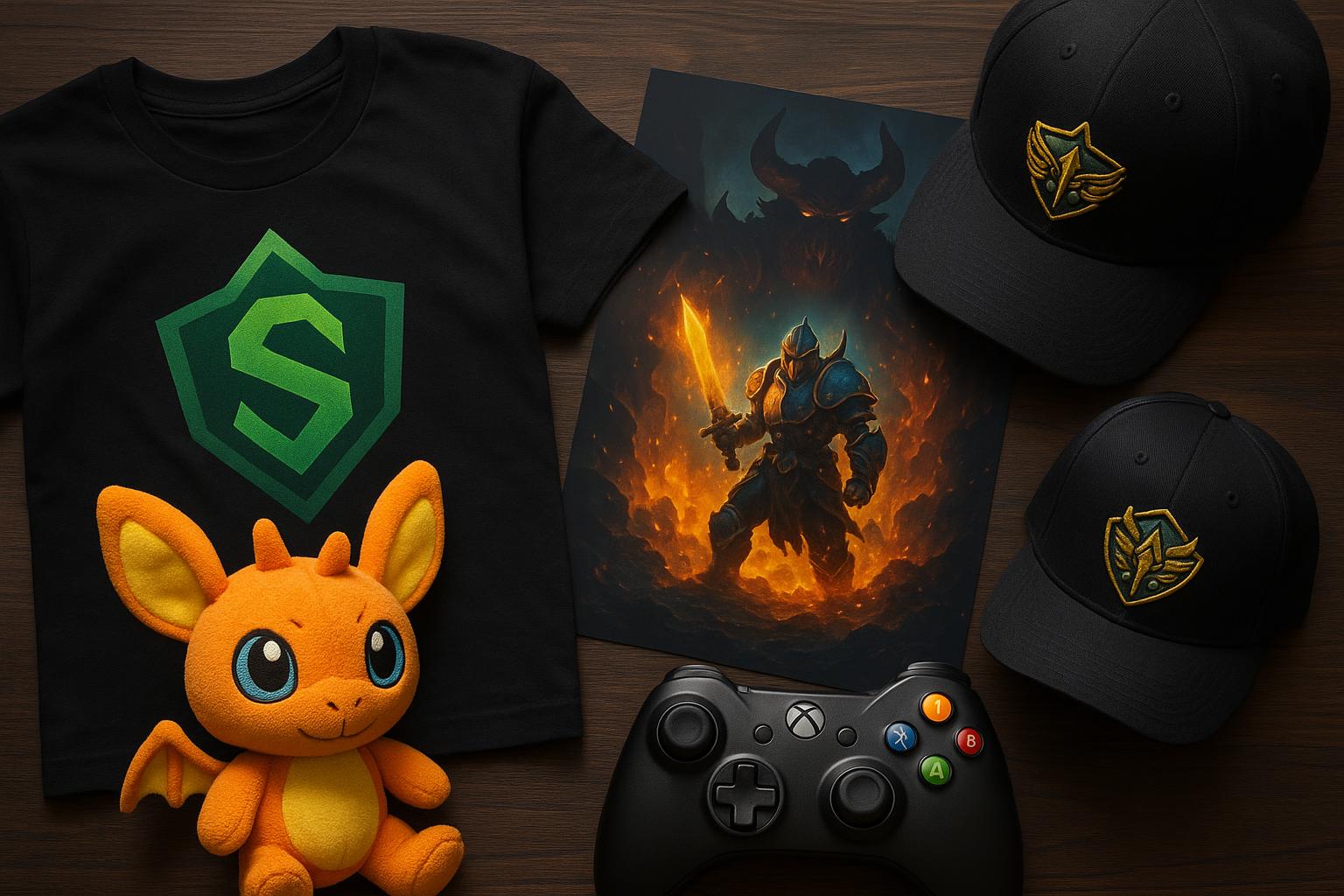
Gaming merchandise has become a practical, personal way to bring digital interests into everyday life. A shirt, enamel pin, desk mat, or small figure can say something about a favorite character, a memorable joke, or a game that mattered at the right time. Collections from communities such as Game Grumps also show how merchandise can connect entertainment, humor, and a shared sense of belonging.
These items are not only about buying things. They can preserve memories, make a workspace feel more personal, and create easy openings for conversation. For many players, gaming goods work as visual shorthand. They help fans recognize one another before either person has to explain why a particular game, series, or creator is important.
Why Merchandise Works Like A Shared Language
A small reference can communicate a surprising amount. Someone may notice a familiar symbol on a backpack at school, recognize an in-game item on a coworker’s mug, or compliment a subtle character design in a coffee shop. That moment can lead to a quick exchange about favorite levels, multiplayer memories, or a shared appreciation for a series.
Unlike a large logo, a quieter design often feels like an invitation rather than an announcement. Fans who understand the reference immediately feel included, while everyone else simply sees an appealing design.
The Move From Digital Worlds To Physical Spaces
Games primarily exist on screens, but merchandise gives players something physical to keep. A digital achievement may remain meaningful, yet a print on a wall or a figure on a shelf can become part of a room for years. It turns a favorite world into a visible piece of daily life.
Desks, bookshelves, jackets, and keychains become extensions of a player’s gaming space. One person may display a collectible beside a monitor, while another chooses a practical item, such as a hoodie or a water bottle, that references the outside world. Both approaches make an online hobby feel more tangible.
How Fans Use Merchandise To Show Identity
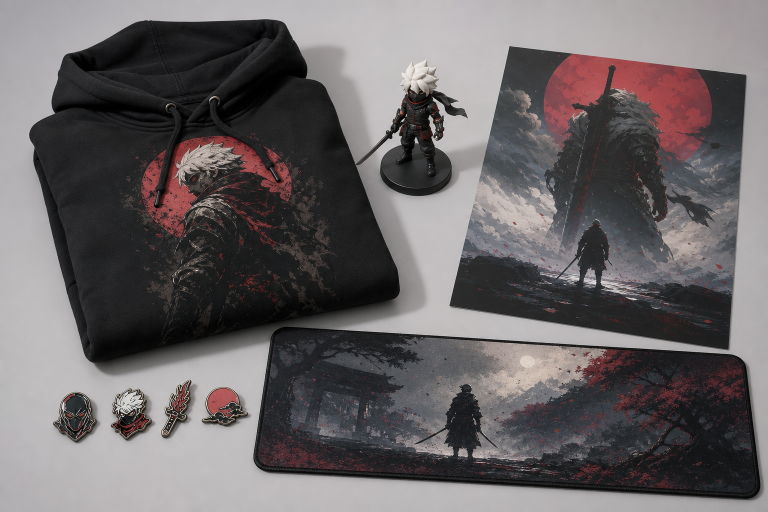
Gaming goods can reflect personality as much as preference. A player who enjoys challenge runs may choose a design tied to a difficult boss. Someone who values comedy may prefer an obscure quote. Another fan may pick artwork that matches their style of dress, favorite colors, or the kind of games they grew up playing.
That range matters because gaming apparel now fits into casual fashion rather than existing only as convention wear. A well-designed shirt can look like everyday clothing while still rewarding longtime players with a hidden reference. The item becomes a choice in self-expression, not a costume or a test of devotion.
Merchandise And Community Belonging
Shared objects can reduce social distance. At conventions, esports events, local game nights, and online meetups, an item can give people an easy first topic. A pin or patch may help someone join a conversation without needing expert knowledge of every installment, update, or piece of lore.
Still, ownership should never be treated as proof of loyalty. People participate in gaming culture by playing, watching, discussing, making art, helping communities, or simply enjoying a game privately. Merchandise can support connection, but it should remain optional.
Nostalgia, Memory, And Game History
Older game imagery often carries memories beyond the game itself. A retro controller shape, pixel-art scene, or familiar character can bring back late-night sessions with friends, a sibling’s favorite console, or a weekend spent trying to finish one difficult level. The object matters because of the experience attached to it.
Retro merchandise also keeps past hardware, characters, and visual styles present in modern spaces. A player may own only one small collectible because it recalls a favorite game night. That item can have more personal value than a large display purchased only because it is rare.
Why Design Matters More Than Logos
Strong merchandise relies on more than placing a logo on a blank product. Color, illustration, texture, material, and small details help an item feel intentional. Artwork inspired by a location, an inventory item, a background joke, or a memorable moment often has more personality than a basic brand mark.
Artist collaborations and unusual formats can make an item feel distinct, but the best designs still work in daily life. A subtle print, quality enamel pin, or thoughtfully illustrated poster can suit a home or wardrobe without making the fan feel as though they are dressed for an event.
Collecting Without Overspending
Collecting is more enjoyable when it has a few boundaries. A meaningful collection does not need to be large, complete, or expensive. Consider these habits before making another purchase:
- Set a monthly spending limit before browsing new releases.
- Choose a simple focus, such as one series, art style, color palette, or item type.
- Check sizing, materials, shipping costs, and return policies carefully.
- Pause before buying countdown-driven releases or low-stock items.
- Keep a short list of what you already own to avoid duplicates.
A sticker, a used game manual, small print, or a secondhand pin can be just as meaningful as a premium collectible. The goal is to choose items that genuinely fit a person’s space, budget, and memories.
The Role Of Fan-Made Goods
Fan artists often explore ideas that official releases overlook. They may celebrate side characters, niche jokes, forgotten games, or visual styles that appeal to a smaller group of players. Handmade goods can add warmth and variety to a collection while giving artists a way to share their interpretations.
Buyers and creators should also recognize that fan-made products can involve licensing limits, marketplace policies, and copyright and trademark questions. Official goods, licensed collaborations, handmade items, and custom projects do not all operate under the same rules. Checking the details helps fans support creators more responsibly.
What Fan Culture May Look Like Next
Gaming communities will likely continue influencing the products made for them. Small-batch releases, creator-led artwork, customizable accessories, and more environmentally conscious materials may appeal to fans who want a story behind what they own. Virtual items and avatar styles may also inspire matching physical designs.
Not every trend will last, but lasting merchandise will probably offer more than scarcity. Creative detail, usefulness, quality, and a genuine community connection give an item a reason to remain meaningful after the initial excitement fades.
Conclusion
Gaming merchandise is more than a group of objects. It can serve as a shared language of memory, humor, creativity, and community. The best items are not always the rarest or most expensive. They are the ones that let fans carry a small piece of a gaming world into everyday life.